




Apogee MetaRecorder is a professional multi-channel audio recording app for iOS that synchronizes metadata and recording across multiple devices.
The App DNA
What makes this app unique?
Users hire the app to streamline field-audio synchronization for Final Cut Pro, replacing manual logging with automated metadata embedding.
For Professional audio engineers, videographers, and field recordists.
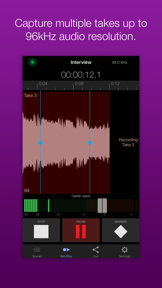
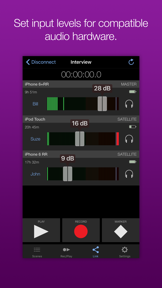
What does it look like?
Key features
Links one Master iPhone to up to 3 Satellite devices via Wi-Fi.
Receives timecode via Bluetooth to embed metadata into audio files.
Exports audio files with embedded metadata tags directly into XML.
How much does it cost?
Hardware-based gating where connecting specific Apogee or Sennheiser interfaces unlocks premium software features.
Velocity
Dormant developmentplatform expansionperformanceShow more...
The app has not received a public update in over five years, indicating that development has ceased. The last recorded release occurred on March 26, 2021, and there has been no activity since. Given the lack of updates for more than 12 months, the app is classified as a zombie project.
Who built it?
Apogee Electronics
2 apps tracked · Photo & Video
 Apogee Control for Element Series & Ensemble TB
User Sentiment
What do users think recently?
The recent review mood reads mixed. Users appreciate professional-grade audio quality and reliable metadata synchronization for film workflows.
How are ratings & reviews evolving?
What users say, by theme
- Professional-grade audio quality and reliable metadata synchronization for film workflows
- Hardware-dependency gating and lack of recent updates to the interface
Competition
Competitive landscape for Apogee MetaRecorder
How's the Photo & Video market?
The app occupies a specialized niche in the Photo & Video category, relying on hardware-integration rather than chart-climbing velocity.
Read the market outlookThe rivals identified

By Yamaha Corporation
Both apps target mobile musicians and creators requiring high-quality audio capture, though Rec'n'Share focuses on instrument-specific integration while MetaRecorder targets field recording workflows.
- Yamaha ecosystem integration provides seamless audio track separation for musicians that MetaRecorder currently lacks entirely.
- Massive user base and brand recognition in the music hardware space creates significant barrier to entry.
- Direct instrument-to-app connectivity streamlines the recording process for drummers and keyboardists compared to generic field recording.

Unlock the head-to-head verdict: where this rival wins, and where it loses.
Access the full report for freeThe Analyst's Read
Key takeaways for Apogee MetaRecorder
Where is it heading?
The professional field-recording market is consolidating around DAW-integrated mobile tools, leaving standalone apps like MetaRecorder in a defensive position. The lack of recent updates suggests the app is in maintenance mode, so the PM must pivot to software-only revenue streams to survive the shift toward DAW-centric workflows.
- Lack of updates since 2021 → signals maintenance mode → erodes professional user trust in the platform's long-term viability.
- Final Cut Pro XML integration → provides a unique professional workflow lock-in → maintains a loyal core of high-value users.
The SWOT
- Hardware-integrated metadata capture for Final Cut Pro
- Master-Satellite Link enables multi-device wireless recording
- Expand B2B partnerships with non-Apogee hardware manufacturers
- Introduce subscription-based cloud sync
Next best moves
Ship cloud-based metadata sync because hardware-gating is the top complaint → unlock non-hardware user revenue
+ 1 more prioritized moveThe counter-intuitive read
The app's hardware-gating is not a weakness but…
Read the full takeFeature gaps
Real-time DAW plugin integration (available in studiomux but absent here) +1
Since the last report: The report shows a strategic pivot toward software-only revenue models and a reclassification of the competitive landscape from field-recording utilities to music-production DAW tools.
Bottom line
Apogee MetaRecorder maintains a strong professional niche through specialized metadata workflows, but the lack of updates since 2021 leaves it exposed to DAW-integrated competitors, so the PM should prioritize cloud-sync features to decouple revenue from hardware sales.
Unlock 2 critical frictions, 2 market threats, 1 more prioritized move and the analyst’s take.
Access the full report for freeReport last updated