


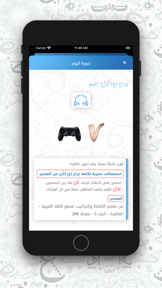

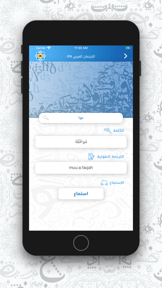
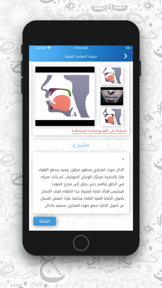
Arabic Phonetics is a specialized educational app for non-native speakers, mapping Arabic consonants to IPA symbols via an offline database.
The App DNA
What makes this app unique?
Learners hire Arabic Phonetics to overcome specific pronunciation barriers, such as guttural and emphatic sounds, that standard language apps fail to address.
For Non-native Arabic students, teachers, and academic institutions.
What does it look like?
Key features
Phonetic database mapping Arabic consonants to IPA symbols for non-native speakers.
Visual and audio interface for practicing difficult Arabic sounds.
Text-to-IPA conversion tool with offline audio playback.
How much does it cost?
The single $6.99 purchase provides full access to offline phonetic tools, avoiding recurring subscription costs for academic users.
Velocity
Dormant developmentopaqueShow more...
Arabic Phonetics has seen no development activity for 1018 days. The project appears to be in a zombie state, as there have been no feature updates, bug fixes, or maintenance releases in nearly three years. No further development momentum is evident.
Who built it?
User Sentiment
What do users think recently?
How are ratings & reviews evolving?
Not enough recent reviews to extract reliable themes yet.
Read the full review analysisCompetition
Competitive landscape for Arabic Phonetics
How's the Education market?
Arabic Phonetics operates as a specialized educational utility, priced at $6.99 to capture academic users seeking offline phonetic accuracy.
Read the market outlookThe rivals identified
Unlock the deeper market read.
Access the full report for freeThe Analyst's Read
Key takeaways for Arabic Phonetics
Where is it heading?
The educational language market is consolidating around platforms that offer frequent content updates and social features. Arabic Phonetics remains exposed due to its stagnant development, which will likely lead to a gradual decline in relevance as competitors improve their phonetic libraries.
- The 33-month update gap signals a shift to maintenance mode, which reduces the app's ability to compete with modern, frequently updated language tools.
The SWOT
- Offline-first phonetic database enables usage in low-connectivity academic environments
- Expanding the IPA translator to support additional regional dialects could unlock new academic segments
Next best moves
Audit the IPA translator for accuracy against modern Arabic usage because the app has been stagnant for 33 months → restore user trust
The counter-intuitive read
The app's lack of updates is a feature…
Read the full takeBottom line
The current maintenance-only cadence risks total obsolescence, so auditing the core phonetic data for modern accuracy would protect the app's reputation as a professional-grade academic tool.
Unlock 1 critical friction, 1 market threat and the analyst’s take.
Access the full report for freeFAQ
Is Arabic Phonetics suitable for absolute beginners?
Does Arabic Phonetics require an internet connection?
What is the difference between this and free language apps?
Sources
- [1] App Store, source
Report last updated