


Armenian Phonetic Keyboard is a specialized input tool for Armenian speakers and linguists, offering phonetic character mapping on iOS and Android.
The App DNA
What makes this app unique?
The app removes the cognitive friction of typing complex Armenian scripts by providing a phonetic layout that displaces standard, non-specialized system keyboards.
For Armenian speakers, linguists, and language learners requiring precise phonetic transcription and high data privacy.
What does it look like?
Key features
Maps Armenian characters to Latin keys, supporting unique symbols like /ϫ/ and /ʇ/.
Operates without internet or full keyboard permissions, ensuring keystrokes remain local.
Allows cursor navigation by dragging on the spacebar.
How much does it cost?
Platform-split monetization with a paid model on iOS and a free, ad-free model on Android.
Velocity
Maintenance developmentUX improvementsShow more...
The app exhibits a maintenance-level cadence, with only two releases identified over the past 14 months. The latest release on iOS introduced significant UX features like trackpad support and caps lock, while the previous Android release focused on onboarding. There is no evidence of a consistent development cycle or active live operations. Development appears to be sporadic rather than continuous.
Who built it?
MicroComp
5 apps tracked · Utilities
 Cook's Notes
 A Well Balanced Day
 Targman
 Armenian Phonetic Composer
User Sentiment
What do users think recently?
Recent user voice shows a frustrated sentiment. Users appreciate the phonetic keyboard layout provides a straightforward typing experience for users needing armenian language support.
How are ratings & reviews evolving?
What users say, by theme
- The phonetic keyboard layout provides a straightforward typing experience for users needing Armenian language support
- Keyboard integration fails to function or apply correctly across the system after the latest update
8 of 8 recent reviews analyzed · limited sample · Frustrated overall
Read the full review analysisUnlock 1 more frustration theme and 1 user request, each backed by review evidence.
Access the full report for freeCompetition
Competitive landscape for Armenian Phonetic Keyboard
How's the Utilities market?
The app occupies a niche utility space for Armenian transcription. With only 8 reviews analyzed, the lack of system-level integration post-update currently undermines its utility-first positioning.
Read the market outlookThe rivals identified

By DOSA Apps
This app competes directly by targeting users seeking specialized, non-Latin script input methods, leveraging high volume and voice-typing capabilities to capture the same niche language-utility audience.
- Offers integrated smart voice features that significantly reduce typing friction for non-native script users.
- Provides extensive customizable themes, catering to users who prioritize personalization alongside functional language input.
- Maintains a massive user base and high review volume, creating a strong social proof barrier.
 Hiragana Table Keyboard UltraContender
 Polytonic GreekContender
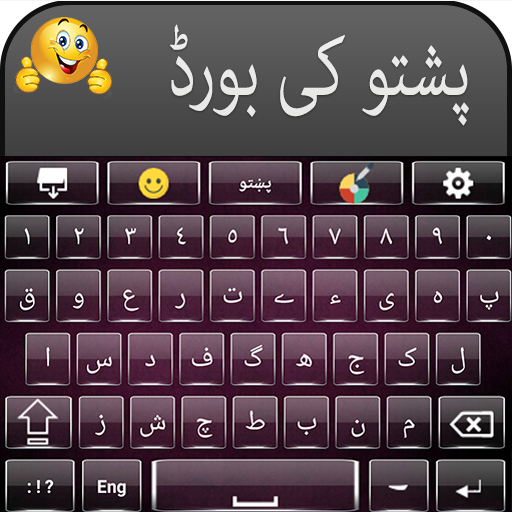 Pashto Keyboard - پښتو کیبورډContender
Unlock the head-to-head verdict: where this rival wins, and where it loses.
Access the full report for freeThe Analyst's Read
Key takeaways for Armenian Phonetic Keyboard
Where is it heading?
The phonetic keyboard market is consolidating around tools that offer both specialized script support and voice-input convenience. Armenian Phonetic Keyboard remains exposed due to its maintenance-mode cadence and recent functional regressions, which will accelerate churn to more reliable, feature-rich alternatives.
- System-level integration failures in the latest release erode user trust, which compounds the churn pressure already visible in recent reviews.
- The lack of voice-input functionality leaves the app vulnerable to rivals who use voice-to-text to lower the barrier for non-native script users.
The SWOT
- Privacy-focused offline architecture reduces switching costs for data-sensitive users
- Specialized phonetic mapping provides a defensible barrier for academic users
- Voice-input integration could neutralize the utility advantage held by rivals
- Expanding phonetic support to additional languages would broaden the addressable user base
Next best moves
Rebuild system-level keyboard integration because the latest update prevents access → restore core utility
+ 1 more prioritized moveThe counter-intuitive read
The app's privacy-first, offline-only architecture is a retention…
Read the full takeFeature gaps
Voice-to-text input (available in Pashto keyboard but missing here) +1
Since the last report: Critical system-level integration failures have rendered the keyboard inaccessible, causing a shift from stable to declining sentiment. The product now faces immediate churn pressure as users report being unable to apply the keyboard in system settings.
Bottom line
Restoring system-level keyboard integration is the immediate priority, as the current inability to apply the keyboard renders the product unusable. Once stability is achieved, the PM should pivot toward voice-input integration to neutralize the utility advantage held by high-volume rivals.
Unlock 2 critical frictions, 2 market threats, 1 more prioritized move and the analyst’s take.
Access the full report for freeFAQ
Is Armenian Phonetic Keyboard safe to use?
How does Armenian Phonetic Keyboard compare to Pashto keyboard?
Is there a free alternative to Armenian Phonetic Keyboard?
Sources
- [1] Play Store listing, source
Report last updated