





Atom | Piano Roll 2 is an advanced AUv3 MIDI note editor and modular sequencer for iOS, designed to function as a plugin within compatible audio host applications.
The App DNA
What makes this app unique?
It removes the constraints of basic piano rolls by providing granular polyrhythmic editing and custom scripting, which professional composers require for complex MIDI workflows.
For Professional music producers and composers using iOS-based DAWs who require advanced MIDI sequencing and custom scripting.
What does it look like?
Key features
Customizable workflow via user-written code to control hardware devices or modify plugin behavior.
Overlay patterns from other plugin instances to visually align harmonies and melodies.
Modular MIDI note editor and clip launcher for use within compatible hosts like AUM and Drambo.
How much does it cost?
The $19.99 one-time purchase targets professional users seeking specialized MIDI tools without recurring subscription costs.
Velocity
Dormant developmentUX improvementsaccessibilityShow more...
Atom | Piano Roll 2 has been inactive for over five years, with the last release occurring 1,887 days ago. There is no evidence of ongoing development, feature updates, or maintenance. The project appears to be abandoned by the developer.
Who built it?
User Sentiment
What do users think recently?
Review voice lately leans excited. Users appreciate deep midi sequencing capabilities provide a professional-grade workflow for mobile music production enthusiasts and seamless integration with audio host applications enables complex routing for live performance and studio setups, but report lack of mouse and trackpad support forces reliance on touch input, hindering productivity for desktop-style workflows.
How are ratings & reviews evolving?
What users say, by theme
- Deep MIDI sequencing capabilities provide a professional-grade workflow for mobile music production enthusiasts
- Seamless integration with audio host applications enables complex routing for live performance and studio setups
- Layered MIDI note editing and pattern manipulation tools allow for intricate musical compositions on mobile
- Lack of mouse and trackpad support forces reliance on touch input, hindering productivity for desktop-style workflows
73 of 73 recent reviews analyzed · high confidence · Excited overall
Read the full review analysisUnlock 2 more frustration themes and 3 user requests, each backed by review evidence.
Access the full report for freeCompetition
Competitive landscape for Atom | Piano Roll 2
How's the Music market?
Atom | Piano Roll 2 holds a niche position in the Music category, currently ranking in the top 75 Paid Music apps across multiple international markets. The lack of updates since 2021 limits its ability to capture new users compared to actively maintained production suites.
Read the market outlookThe rivals identified

By BandLab Singapore Pte Ltd
BandLab competes by offering a comprehensive, cloud-integrated production ecosystem that captures the same mobile-first music creators who use Atom for MIDI sequencing.
- Offers integrated AI song generation and stem separation tools that Atom currently lacks entirely
- Provides a massive cloud-synced social platform that creates strong network effects for collaborative music production
- Operates as a full-featured DAW, whereas Atom is strictly a MIDI-focused plugin requiring external hosts
 Analog Rack CleanerContender
 Mid-Side ContinuumContender
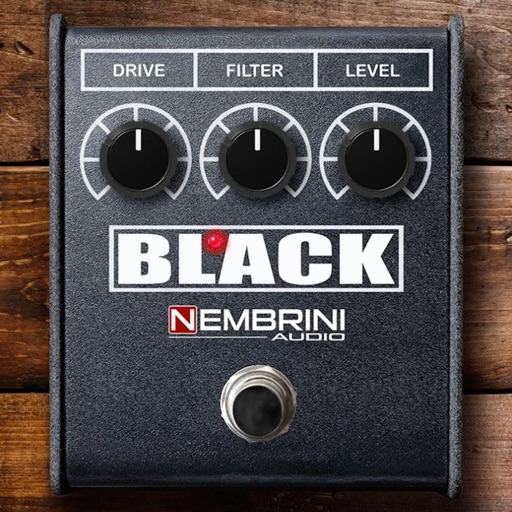 Black DistortionContender
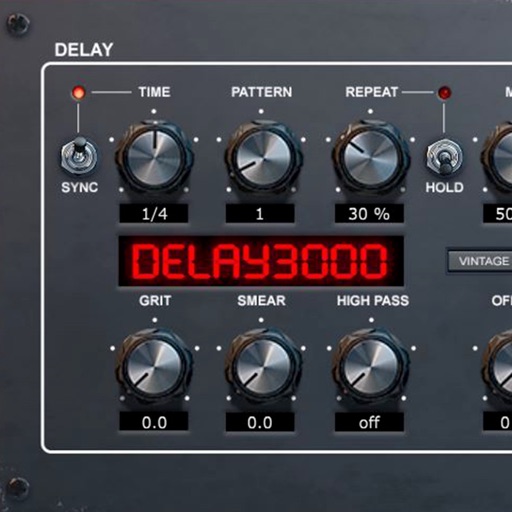 Delay3000 Vintage ModernContender
Unlock the head-to-head verdict: where this rival wins, and where it loses.
Access the full report for freeThe Analyst's Read
Key takeaways for Atom | Piano Roll 2
Where is it heading?
The mobile music production market is consolidating around DAWs that offer frequent updates and native hardware support. Atom | Piano Roll 2 remains in maintenance mode, leaving it exposed to competitors that offer better stability and modern workflow integration.
- The 1,887-day update gap signals a maintenance-only posture, which erodes trust among professional users who require modern DAW compatibility.
- Persistent crashes during session saving in host environments lead to data loss, which directly triggers negative sentiment and churn.
The SWOT
- Scripting playground enables custom hardware control
- Visibility layers allow precise polyrhythmic alignment
- Native integration with Logic Pro for iPad
- Visual MIDI CC curve automation editors
Next best moves
Audit session-saving logic because crashes are the top-reported stability complaint → improve retention
+ 1 more prioritized moveThe counter-intuitive read
The app's lack of updates is its most effective filter…
Read the full takeFeature gaps
AI song generation and stem separation (available in BandLab) +2
Since the last report: The app remains in a state of technical stagnation, with no functional updates or pricing shifts recorded since the previous report. The only material changes involve a consolidation of SWOT items and a shift in the contrarian perspective regarding the app's maintenance status.
Bottom line
The lack of development since 2021 has turned a professional-grade tool into a stability risk. Addressing the session-saving crashes is the only way to retain the power-user base before they migrate to actively maintained alternatives.
Unlock 3 critical frictions, 2 market threats, 1 more prioritized move and the analyst’s take.
Access the full report for freeFAQ
Is Atom | Piano Roll 2 a standalone app?
How does Atom | Piano Roll 2 compare to BandLab?
Does Atom | Piano Roll 2 support mouse and trackpad input?
What are some alternatives for MIDI sequencing on iOS?
Sources
- [1] App Store, source
Report last updated