


Audiobus is a professional-grade audio and MIDI routing hub for iOS that connects standalone music apps and AUv3 units into custom signal chains.
The App DNA
What makes this app unique?
It removes the technical friction of moving audio between apps, allowing musicians to construct modular studios without relying on a single, opinionated DAW.
For iOS musicians, producers, and live performers requiring a centralized routing and control hub.
What does it look like?
Key features
Passes live audio and MIDI signals between compatible music apps and AUv3 units.
Maps external MIDI controller hardware to app parameters.
Provides an overlay to control playback and recording across multiple apps.
How much does it cost?
Hybrid model combining recurring revenue with a one-time purchase gate for hardware control.
Velocity
Dormant developmentShow more...
5 versions in history. Development pace: zombie.
Who built it?
Audiobus Pty
9 apps tracked · Music
 AudioKit FM Player 2: DX Synth
 AudioKit Retro Piano
 Metronome Tracker & Tuner
 LE01 | Bass 808 Synth + AUv3
 VHS Synth | 80s Synthwave
 LE05: Digitalism 2000 + AUv3
 Audiobus Remote
 AudioKit Digital D1 Synth
User Sentiment
What do users think recently?
The recent review mood reads excited. Users appreciate stable routing architecture, but report subscription model friction.
How are ratings & reviews evolving?
What users say, by theme
- Stable routing architecture
- Subscription model friction
Unlock 1 user request, each backed by review evidence.
Access the full report for freeCompetition
Competitive landscape for Audiobus: Mixer for Music Apps
How's the Music market?
Audiobus holds a specialized position in the Music category, serving power users who require modular signal routing. The lack of updates over the last 14 months signals a shift toward maintenance, which risks ceding the professional routing space to more active, integrated DAW competitors.
Read the market outlookThe rivals identified

By BandLab Singapore Pte Ltd
BandLab competes by offering an all-in-one social DAW ecosystem that captures the same mobile-first music creators who use Audiobus for routing.
- Integrated cloud-synced DAW environment removes the need for complex external app routing and management
- Massive social network features foster community collaboration that Audiobus lacks in its utility-focused architecture
- Advanced AI-driven tools like stem separation provide immediate creative value without requiring third-party plugins
 Analog Rack CleanerContender
 Mid-Side ContinuumContender
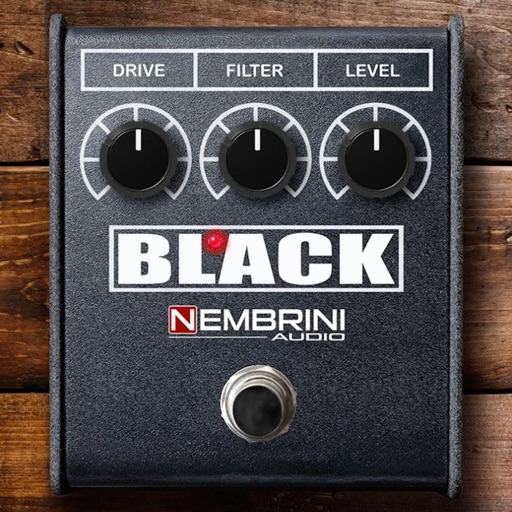 Black DistortionContender
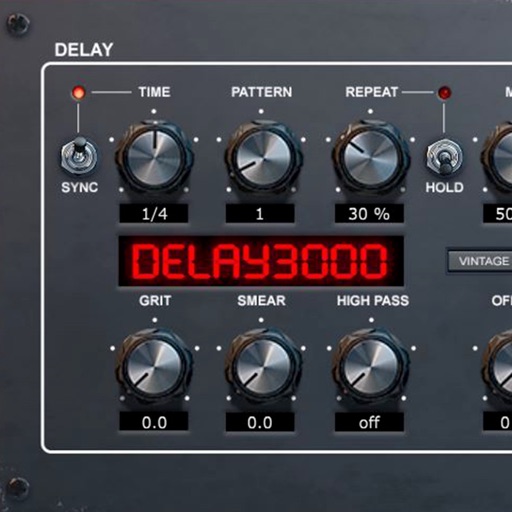 Delay3000 Vintage ModernContender
Unlock the head-to-head verdict: where this rival wins, and where it loses.
Access the full report for freeThe Analyst's Read
Key takeaways for Audiobus: Mixer for Music Apps
Where is it heading?
The mobile music market is consolidating around all-in-one creative platforms that reduce the need for complex external routing. Audiobus remains advantaged by its neutrality, but this position is only defensible if the app maintains perfect compatibility with the latest iOS releases.
- The 14-month update gap erodes the app's reputation as a reliable backbone for professional iOS music production.
- The shift to subscription revenue provides a recurring budget, yet the lack of visible feature output suggests the capital is not being reinvested.
The SWOT
- Neutral routing architecture enables non-opinionated signal chains
- MIDI Learn integration maps hardware to app parameters
- Develop pro-tier plugins to capture signal-processing budgets
Next best moves
Ship compatibility update for latest iOS because the 14-month update gap threatens core routing stability → maintain user trust
+ 1 more prioritized moveThe counter-intuitive read
The subscription model is not the primary churn driver…
Read the full takeFeature gaps
Integrated cloud-synced DAW environment (available in BandLab but absent here) +1
Since the last report: The outlook trend shifted from declining to mixed, reflecting a recalibration of the app's competitive position as a neutral routing hub despite a 14-month development freeze. The primary strategic focus has pivoted toward potential plugin development to capture new revenue streams.
Bottom line
Audiobus maintains a critical role as the industry-standard routing hub, but the lack of recent updates creates a vulnerability to monolithic rivals. Prioritizing stability and compatibility updates will defend the user base against churn to all-in-one creative environments.
Unlock 2 critical frictions, 1 market threat, 1 more prioritized move and the analyst’s take.
Access the full report for freeFAQ
Is Audiobus still being updated for new iOS versions?
How does Audiobus compare to BandLab?
Is the premium subscription worth it for casual users?
Sources
- [1] App Store, source
Report last updated