



BabyTime is a labor and infant-development tracking app for expectant mothers and new parents, available on iOS and Android.
Product velocity
Maintenance
Daily rank 🇺🇸
—
Health & Fitness
Sentiment
4.6
38k reviews
Nemesis

Storky - Contraction Timer
The App DNA
What makes this app unique?
Users hire BabyTime to coordinate caregiving tasks and monitor labor progress, reducing the cognitive burden of logging during high-stress events.
For Expectant mothers and new parents requiring tools for labor monitoring and infant development tracking.
What does it look like?
Key features
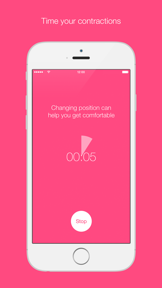
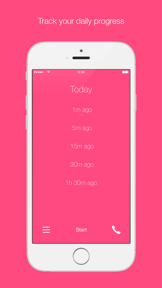
One-tap start and stop recording for contraction intervals with manual time and date adjustment capabilities.
Direct-dial functionality for saved hospital, taxi, or support numbers accessible within two taps.
Logging for feedings, sleep, diaper changes, and developmental milestones with photo attachment support.
Real-time data synchronization between spouses, nannies, and childcare providers.
Companion app for smartwatches including basic complication support for quick status checks.
How much does it cost?
Monetization relies on ad-inventory generated by high-frequency logging sessions within a free-to-use model.
Velocity
Maintenance developmentUX improvementsperformanceShow more...
The app has released only two updates over the last 16 months, resulting in a cadence of approximately 0.03 releases per week. Development is currently in a maintenance state, focusing exclusively on minor bug fixes and UI adjustments rather than new feature development. There is no evidence of live operations or significant content updates in the observed data. The latest release removed a chart animation, confirming a focus on incremental polish rather than growth.
Who built it?
User Sentiment
What do users think recently?
Fresh user feedback skews thrilled. Users appreciate multi-user synchronization allows parents and caregivers to track baby activities across multiple devices and comprehensive data visualization through charts and graphs helps parents monitor growth and health trends, but report data synchronization failures lead to lost logs when the app is not manually refreshed.
How are ratings & reviews evolving?
What users say, by theme
- Multi-user synchronization allows parents and caregivers to track baby activities across multiple devices
- Comprehensive data visualization through charts and graphs helps parents monitor growth and health trends
- Generous free tier provides full functionality without aggressive monetization or intrusive advertising
- Data synchronization failures lead to lost logs when the app is not manually refreshed
50 of 50 recent reviews analyzed · high confidence · Thrilled overall
Read the full review analysisUnlock 1 more frustration theme and 1 user request, each backed by review evidence.
Access the full report for freeCompetition
Competitive landscape for BabyTime
How's the Health & Fitness market?
The rivals identified
By TappyTaps s.r.o.
Storky is a direct functional competitor that focuses exclusively on the labor-tracking niche, competing for the same high-intent users during the final stages of pregnancy.
- Provides clinical labor phase guidance that helps users interpret contraction patterns in real-time
- Offers robust data export features allowing users to share labor history directly with medical professionals
- Features a specialized labor indicator that simplifies decision-making during high-stress delivery moments
Unlock the head-to-head verdict: where this rival wins, and where it loses.
Access the full report for freeThe Analyst's Read
Key takeaways for BabyTime
Where is it heading?
The baby-tracking market is consolidating around apps that offer automated insights rather than manual logging. BabyTime remains stable due to its multi-user sync, but it must address the manual refresh friction to remain competitive against AI-driven rivals.
- Data synchronization failures in the current version lead to lost logs, which erodes the daily active habit and increases churn risk.
- The generous free tier continues to drive high organic install velocity, maintaining a stable user base despite the lack of aggressive monetization.
The SWOT
- Multi-caregiver sync creates high switching costs
- Single-tap contraction timer reduces cognitive load during labor
- Generous free tier drives high organic install velocity
- Add clinical labor-phase indicators to match Storky
- Expand widget functionality for home-screen logging
- Introduce customization for older child milestones
Next best moves
Automate background sync because manual refresh causes data loss complaints → improve retention
+ 1 more prioritized moveThe counter-intuitive read
BabyTime's simplicity is its primary moat…
Read the full takeFeature gaps
Clinical labor-phase guidance (available in Storky but absent here) +1
Since the last report: The intelligence update introduces granular user sentiment data, highlighting critical technical friction in data synchronization and expanding the feature scope to include infant development tracking.
Bottom line
BabyTime maintains high satisfaction through reliable multi-user sync, but the manual refresh requirement creates a churn risk, so the team should prioritize background data persistence to defend the category lead against automated competitors.
Unlock 3 critical frictions, 3 market threats, 1 more prioritized move and the analyst’s take.
Access the full report for freeReport last updated