


Bus Alarm
By 1BIGRIG

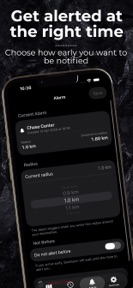

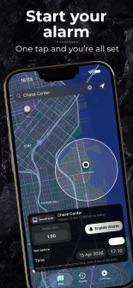
Bus Alarm is a GPS-based transit notification utility for iOS that triggers alerts when a user reaches a pre-defined stop.
The App DNA
What makes this app unique?
The app removes the cognitive friction of monitoring transit progress, allowing commuters to disengage from their journey without the risk of missing their stop.
For Daily public transport commuters who want to automate stop notifications.
What does it look like?
Key features
Triggers audio and visual alerts when the device enters a user-defined radius around a map destination.
Displays journey status and alarm controls on the lock screen or home screen.
How much does it cost?
Bus Alarm is currently offered as a free utility with no visible subscription or IAP gates.
Velocity
Maintenance developmentUX improvementsperformanceShow more...
The app maintains a maintenance-tier cadence, with only one release shipped in the last 54 days. Development is currently focused on stability, location permission handling, and background behavior refinements rather than new feature expansion. The latest release indicates a focus on technical reliability and UI adjustments, with no evidence of live-ops or seasonal content. The current release pattern suggests a stable but slow development cycle.
Who built it?
1BIGRIG
13+ apps tracked · Navigation
 LX ToolBox
 ViewSource+
 The Ohms Law Calc
 Car ANPR UK
 SE ToolBox
 Drivers Hours
 UK Tax Calculator 26/27
 VAT Calc - VAT Calculator
 My School Meals
 The Electrician Tools
 My Parking Reminder
 UK Tax Calculator 25/26
User Sentiment
What do users think recently?
How are ratings & reviews evolving?
Not enough recent reviews to extract reliable themes yet.
Read the full review analysisCompetition
Competitive landscape for Bus Alarm
How's the Navigation market?
Bus Alarm occupies a niche utility space within the Navigation category, relying on a free, ad-free model to drive adoption. The absence of monetization gates suggests a focus on user acquisition, though the lack of recent feature updates limits competitive differentiation against native map platforms.
Read the market outlookThe rivals identified
Unlock the deeper market read.
Access the full report for freeThe Analyst's Read
Key takeaways for Bus Alarm
Where is it heading?
The transit utility market is consolidating around native map platforms that offer integrated stop notifications. Bus Alarm remains stable but exposed, as its lack of active development prevents it from building the feature depth needed to compete with native offerings.
- The maintenance-only release cadence indicates the developer is prioritizing stability over new feature expansion, which limits growth potential.
- Native transit app updates increasingly absorb standalone utility functionality, which accelerates the risk of obsolescence for Bus Alarm.
The SWOT
- Live Activity integration provides low-friction journey status updates
- Geofencing mechanism removes connectivity dependency required by map-heavy rivals
- Wearable integration would extend alarm utility to wrist-based haptics
- Route-sharing features could provide a revenue stream without gating core utility
Next best moves
Ship cloud-sync for saved routes because manual re-entry is a top friction point → improve retention
The counter-intuitive read
The lack of monetization is a strategic liability…
Read the full takeSince the last report: The developer has transitioned from a purely maintenance-focused posture to an active development plan, prioritizing cloud-sync to mitigate user retention risks. This shift addresses the previously identified friction of manual route management.
Bottom line
Bus Alarm serves a clear utility, but the maintenance-only cadence risks obsolescence as native platforms integrate similar features. Investing in cloud-sync would solidify the app's value for power users, protecting the base against native platform encroachment.
Unlock 2 critical frictions, 1 market threat and the analyst’s take.
Access the full report for freeFAQ
Is Bus Alarm free to use?
Does Bus Alarm work if my phone is locked?
What is the main difference between Bus Alarm and Google Maps?
Sources
- [1] App Store
Report last updated