



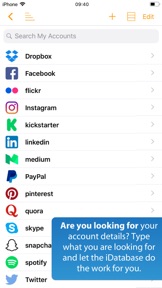

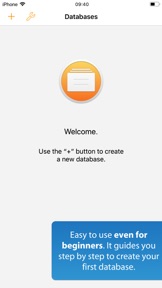

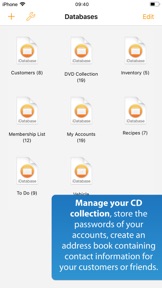
iDatabase is a template-driven personal database tool for iOS and Mac, designed for offline inventory and collection management.
Product velocity
Active
Daily rank 🇺🇸
—
Productivity
Sentiment
4.4
501 reviews
Nemesis

MobiDB Database
The App DNA
What makes this app unique?
Users hire iDatabase to store and search structured personal data without the recurring costs or complexity of cloud-based productivity platforms.
For Individuals and professionals needing a portable, offline-capable tool to organize inventories, collections, and personal data.
What does it look like?
Key features
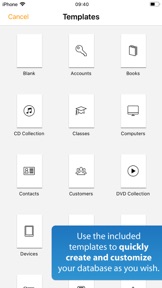
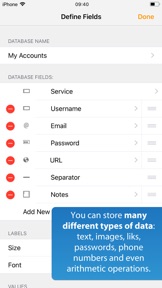
Pre-configured structures for 22 categories including inventory, expenses, and contact management.
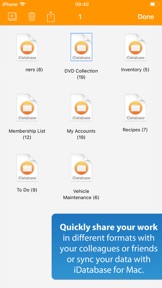
Local network data synchronization between iOS and Mac versions.
Local storage of all database information without requiring internet.
How much does it cost?
Paid model with a low entry price point, targeting users seeking a one-time purchase rather than subscription-based productivity tools.
Velocity
Active developmentShow more...
5 versions in history. Development pace: active.
Who built it?
Apimac
8 apps tracked · Productivity
 Self Timer
 iNotepad
 Clean Text
 Secret Folder
 DeskTimer
 Timer TV
 Timer
TimerUser Sentiment
What do users think recently?
Recent user voice shows a mixed sentiment. Users appreciate simple database creation tools allow users to catalog collections without complex programming knowledge.
How are ratings & reviews evolving?
What users say, by theme
- Simple database creation tools allow users to catalog collections without complex programming knowledge
- Application crashes frequently when adding new records or performing search operations
49 of 49 recent reviews analyzed · high confidence · Mixed overall
Read the full review analysisUnlock 1 user request, each backed by review evidence.
Access the full report for freeCompetition
Competitive landscape for iDatabase
How's the Productivity market?
iDatabase holds a #69 Paid rank in the US Productivity category, signaling a niche but stable user base. The lack of grossing rank parity with its free-tier competitors suggests the one-time purchase model limits revenue growth relative to subscription-based rivals.
Read the market outlookThe rivals identified
By Vitalii Kornei
This is the only direct competitor that shares iDatabase's core value proposition of being a dedicated, user-friendly personal database creator.
- Offers a dedicated database-first architecture rather than a general-purpose note-taking or document management system.
- Provides specialized field types for inventory management that general productivity apps often lack or hide.
- Focuses on structured data entry workflows which directly mirrors this app's primary use case.


Unlock the head-to-head verdict: where this rival wins, and where it loses.
Access the full report for freeThe Analyst's Read
Key takeaways for iDatabase
Where is it heading?
The personal database market is consolidating around cloud-native, collaborative tools, leaving iDatabase exposed due to its reliance on legacy sync. Without a shift to native iCloud integration, the app will continue to lose users to modern alternatives that solve the data-safety requirement.
- Frequent crashes during search operations erode user trust, which directly increases churn among power users with large datasets.
- Broken Dropbox synchronization prevents reliable backups, forcing users to seek alternatives that offer native iCloud support.
The SWOT
- Template-driven structure lowers entry barrier
- Offline-first architecture ensures data sovereignty
- One-time purchase model avoids subscription fatigue
- Implement native iCloud sync to replace Dropbox
- Expand template library for professional niches
- Add wearable companion for quick data entry
Next best moves
Ship native iCloud sync because it is the top-requested missing feature → unlock data-loss frustration
+ 1 more prioritized moveThe counter-intuitive read
Users report: The app's stability issues are a feature, not a bug…
Read the full takeFeature gaps
Real-time cloud collaboration (available in Airtable but absent here) +2
Since the last report: The report identifies a shift toward a declining outlook, driven by documented stability issues and a lack of native iCloud support that threatens the app's retention.
Bottom line
iDatabase maintains a loyal niche through its offline-first, one-time purchase model, but persistent sync and stability issues threaten its long-term viability, so the team must prioritize native iCloud integration to stabilize the user base.
Unlock 3 critical frictions, 3 market threats, 1 more prioritized move and the analyst’s take.
Access the full report for freeFAQ
Is iDatabase suitable for managing large inventories?
How does iDatabase sync data between devices?
Is my data safe if I don't use Dropbox?
What are some alternatives to iDatabase?
Report last updated