




QuickEM is a specialized emergency medicine reference app for clinicians, featuring clinical calculators and protocols in a one-time purchase format.
The App DNA
What makes this app unique?
Clinicians hire QuickEM for rapid, offline access to ED-specific decision tools, avoiding the bloat and subscription costs of generalist medical platforms.
For Emergency medicine clinicians, including medical students, residents, and attending physicians.
What does it look like?
Key features
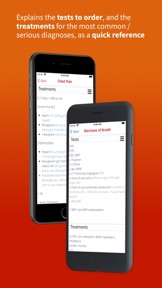
Over 80 chief complaint topics including differentials, history, tests, and treatments for ED-specific care
Over 90 validated medical calculators and scoring systems grouped by clinical category
Full content availability without internet connectivity
How much does it cost?
Paid model targets professionals who prioritize a one-time cost for reliable, offline tools without recurring subscription friction.
Velocity
Intense developmentShow more...
5 versions in history. Development pace: intense.
Who built it?
Dirkes Medical, PLLC
4 apps tracked · Medical
 Reductinn -Tinnitus Relief CBT
 Reductinn –Tinnitus Relief CBT
 QuickAcuity
User Sentiment
What do users think recently?
How are ratings & reviews evolving?
Not enough recent reviews to extract reliable themes yet.
Read the full review analysisCompetition
Competitive landscape for QuickEM
How's the Medical market?
QuickEM maintains a presence in the US Medical category, though its grossing rank frequently lags behind its paid rank. This gap signals that the current pricing model captures initial interest but lacks long-term monetisation depth.
Read the market outlookThe rivals identified

By MD Aware, LLC
Both apps target clinicians with offline-first clinical decision support tools, creating direct competition for bedside utility in hospital environments.
- MDCalc offers 900+ clinical calculators, whereas QuickEM focuses on a curated ED-specific library.
- MDCalc includes CME tracking features, a capability currently absent from the QuickEM feature set.
- QuickEM provides immediate access without registration, while MDCalc forces users through a mandatory account creation process.
 5 Minute Clinical Consult 5MCCContender
 MobilEMContender
 Tintinalli's ER ManualContender
 AMBOSS Medical KnowledgeContender
 CliniCalc Medical CalculatorContender
 CPT® QuickRefContender
 EMUkContender
 Emergency Medicine ChecklistContender
Show 1 more

Unlock the head-to-head verdict: where this rival wins, and where it loses.
Access the full report for freeThe Analyst's Read
Key takeaways for QuickEM
Where is it heading?
The medical reference market is consolidating around high-velocity, multi-specialty platforms that leverage subscription revenue to fund constant content updates. QuickEM remains exposed due to its static revenue model, which limits its ability to defend against MDCalc's rapid clinical updates and erode the user base.
- The lack of Android-specific rating data suggests a visibility gap that prevents the app from scaling beyond its current iOS-heavy user base.
- Recent updates focused on stability and dark mode, indicating the app is currently in maintenance mode rather than aggressive feature expansion.
The SWOT
- ED-specific workflow focus reduces cognitive load during high-pressure shifts.
- Offline-first architecture ensures reliability in hospital zones with poor connectivity.
- Develop B2B partnerships with residency programs to establish the app as a standard training tool.
Next best moves
Pivot to a freemium model because the current $4.99 cap limits R&D budget → increase recurring revenue.
+ 1 more prioritized moveThe counter-intuitive read
QuickEM's lack of a subscription model is a competitive weakness…
Read the full takeFeature gaps
Integrated drug reference databases (available in Medscape but absent here) +1
Since the last report: The report now includes a comprehensive competitive landscape and SWOT analysis, revealing a strategic pivot toward niche ED-specific utility while highlighting the revenue risks of the current single-purchase model.
Bottom line
QuickEM wins on bedside speed and offline reliability, but its single-purchase model limits the R&D budget needed to compete with MDCalc's update cadence, so the PM should pivot to freemium to capture long-term value.
Unlock 2 critical frictions, 1 market threat, 1 more prioritized move and the analyst’s take.
Access the full report for freeReport last updated