






Buzzer is a trivia-hosting utility for iOS and Android that turns mobile devices into game buzzers over a shared wireless network.
The App DNA
What makes this app unique?
Users hire Buzzer to replace expensive physical buzzer systems with a low-cost, ad-free digital alternative for social trivia gatherings.
For Social groups and trivia enthusiasts seeking a low-cost, hardware-free alternative to professional buzzer systems.
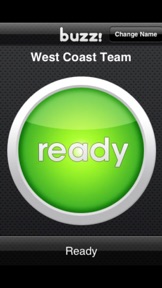
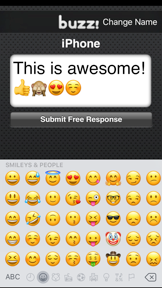
What does it look like?
Key features
Turns mobile devices into buzzer inputs over a shared wireless network. Revenue: Token-based hosting model drives consumption.
Supports multiple choice and free response inputs. Revenue: Unlimited questions gated behind auto-renewing subscriptions.
Records buzzer response times for competitive scoring. Revenue: Increases engagement and ad-inventory for free-tier users.
How much does it cost?
Hybrid model combines token-based ad consumption for casual users with a $1.99 purchase to remove ads and unlock full functionality.
Velocity
Maintenance developmentperformanceUX improvementsShow more...
The app exhibits a maintenance-level cadence, with only two releases recorded in the last 15 months and significant gaps between updates. The latest release focused on minor performance improvements, following a long period of inactivity. Development appears to be reactive rather than proactive, with no evidence of a consistent feature roadmap or live operations. The current release frequency is well below the threshold for active development.
Who built it?
Kudit
5 apps tracked · Games
 Device Information Tool
 Pass Scanner
 Shout It
 Family Feud Info
User Sentiment
What do users think recently?
Recent user voice shows an excited sentiment. Users appreciate the absence of intrusive advertisements allows for a clean and focused user experience during game nights and simple buzzer functionality provides an effective and reliable tool for hosting casual quiz and party games, but report network latency and synchronization delays between devices create unfair advantages during competitive quiz sessions.
How are ratings & reviews evolving?
What users say, by theme
- The absence of intrusive advertisements allows for a clean and focused user experience during game nights
- Simple buzzer functionality provides an effective and reliable tool for hosting casual quiz and party games
- Network latency and synchronization delays between devices create unfair advantages during competitive quiz sessions
58 of 58 recent reviews analyzed · high confidence · Excited overall
Read the full review analysisUnlock 2 more frustration themes and 1 user request, each backed by review evidence.
Access the full report for freeCompetition
Competitive landscape for Buzzer
How's the Games market?
Buzzer holds the #70 Paid position in the US trivia category. The gap between its local-only connectivity and the remote-play capabilities of rivals limits its growth in the distributed party-game market.
Read the market outlookThe rivals identified

By Aryaman Sharda
Both apps target trivia hosts with digital buzzer systems, creating direct competition for casual social gaming sessions through overlapping feature sets.
- Game Show Buzzer offers online buzzer rooms, while Buzzer relies on local wireless connectivity.
- Game Show Buzzer provides free access to all features, whereas Buzzer gates content behind a one-time purchase or subscription.
- Game Show Buzzer includes a customizable soundboard, while Buzzer lacks this personalization for game hosts.

Unlock the head-to-head verdict: where this rival wins, and where it loses.
Access the full report for freeThe Analyst's Read
Key takeaways for Buzzer
Where is it heading?
The party-game market is consolidating around remote-capable solutions, leaving Buzzer's local-only model increasingly exposed. Unless the team bridges the feature gap with remote-play capabilities, churn to more versatile rivals will accelerate in the coming quarters.
- Network synchronization delays create unfair advantages, which erodes the core competitive utility and drives negative sentiment.
- Recent updates focused on room creation performance, but failed to address the underlying latency issues reported by users.
The SWOT
- Ad-free utility model sustains user loyalty
- Low-cost entry replaces expensive physical hardware
- Integrate remote-play buzzer rooms to match nemesis capabilities
- Add random soundboard variety to increase session replayability
Next best moves
Rebuild network synchronization logic because latency is the #1 competitive complaint → improve competitive fairness
+ 1 more prioritized moveThe counter-intuitive read
Buzzer's reliance on local wireless connectivity is a feature, not a bug…
Read the full takeFeature gaps
Remote buzzer rooms (available in The Ultimate Buzzer Pro but missing here) +1
Since the last report: The app's sentiment improved despite ongoing technical issues, while the competitive analysis was expanded to better account for remote-play rivals.
Bottom line
Buzzer provides a functional local-play utility, but persistent network latency and UI regressions undermine its competitive standing against remote-capable rivals. The team must prioritize technical stability over new features to prevent churn to more reliable party-game alternatives.
Unlock 2 critical frictions, 2 market threats, 1 more prioritized move and the analyst’s take.
Access the full report for freeSources
Report last updated