


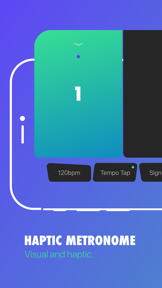


Haptic Metronome is a visual and haptic-first digital metronome for iOS and iPadOS musicians.
Product velocity
Dormant
Daily rank 🇺🇸
#99
Music · paid
Sentiment
4.8
4 reviews
Nemesis

The Metronome by Soundbrenner
The App DNA
What makes this app unique?
It serves musicians who need tactile rhythmic cues that audio-only metronomes cannot provide, allowing for silent practice sessions.
For Musicians and students requiring a tactile, visual-first metronome for practice sessions on iOS and iPadOS.
What does it look like?
Key features
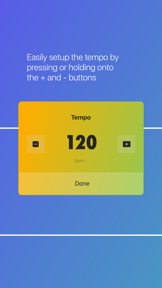
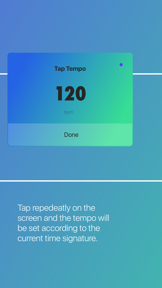
Pulses rhythmic beats through device vibration motors as a tactile reference for musicians
Synchronizes session state and settings between iOS and iPadOS devices
Exposes metronome presets via system-level search and home screen shortcuts
How much does it cost?
Paid model anchored at $0.99, targeting users who prefer a single transaction over subscription-based utility apps.
Velocity
Dormant developmentShow more...
3 versions in history. Development pace: zombie.
Who built it?
Luca Strazzullo
5 apps tracked · Music
 Tubo Sonoro
 Moviebook – Movie Tracker
 Fret Notes
 FotoSlide
User Sentiment
What do users think recently?
How are ratings & reviews evolving?
Not enough recent reviews to extract reliable themes yet.
Read the full review analysisCompetition
Competitive landscape for Haptic Metronome
How's the Music market?
The app maintains a niche presence in the Paid category, ranking #81 in Germany and #83 in the US. This consistent chart placement across multiple regions suggests a stable, albeit small, user base that values the specific tactile utility.
Read the market outlookThe rivals identified
By Soundbrenner
This is the dominant market leader in the haptic-first metronome niche, leveraging a massive user base and hardware-software ecosystem integration.
- Integrates directly with proprietary wearable hardware to provide physical vibration feedback across the entire body
- Supports advanced multi-device synchronization allowing entire bands to stay in perfect time via Bluetooth
- Offers a comprehensive setlist management system that allows users to save and organize complex tempo maps


Unlock the head-to-head verdict: where this rival wins, and where it loses.
Access the full report for freeThe Analyst's Read
Key takeaways for Haptic Metronome
Where is it heading?
The music utility market is consolidating around high-velocity, subscription-based apps that bundle multiple tools into a single workflow. Haptic Metronome remains stable in its niche, but the lack of a recurring revenue stream leaves it exposed to feature-parity erosion from larger competitors.
- The lack of feature updates compared to high-velocity competitors like Ultimate Guitar risks long-term user attrition to more comprehensive utility suites.
- The current one-time purchase model provides stability but lacks the capital to scale against subscription-based rivals in the music utility category.
The SWOT
- Sensory-first haptic engine creates a distinct tactile moat
- System-level integration via Spotlight reduces session start-time friction
- B2B partnerships with music education platforms
- Expansion into wearable platforms to counter hardware-backed rivals
Next best moves
Pivot to a freemium model because the $0.99 price point prevents competitive feature parity → increase R&D budget
The counter-intuitive read
The app's lack of a subscription model is its greatest vulnerability…
Read the full takeFeature gaps
Setlist management (available in Tempo - Metronome with Setlist but missing here) +2
Since the last report: The report transitioned from a basic feature list to a comprehensive competitive intelligence analysis, highlighting the risks of the current pricing model against high-velocity, subscription-based rivals.
Bottom line
Haptic Metronome holds a unique niche through its haptic-first design, but the $0.99 price point leaves it vulnerable to high-velocity competitors, so the PM must pivot to a recurring revenue model to fund the feature parity required for long-term survival.
Unlock 2 critical frictions, 2 market threats and the analyst’s take.
Access the full report for freeReport last updated