


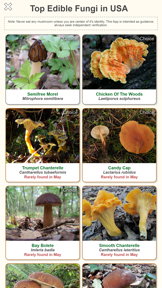

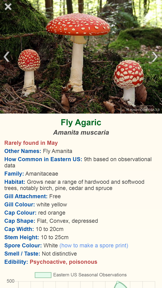


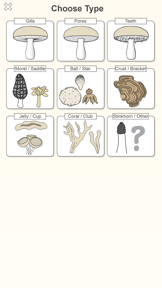
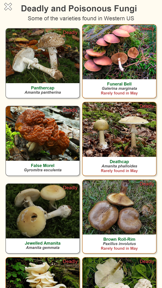
Shroomify is an offline mushroom identification guide designed for foragers and enthusiasts in the USA. It utilizes a characteristic-based selection algorithm to identify over 400 species without requiring a data connection or photo-based identification.
Overview · Full Intel report in progress
The App DNA
What makes this app unique?
For Mushroom foragers and nature enthusiasts seeking a reliable, offline reference tool for field identification.
What does it look like?
Key features
Users identify fungi by selecting physical traits rather than relying on photo recognition.
The app operates entirely without a data connection, making it suitable for remote woodland use.
Provides a 'Top 20' list of mushrooms relevant to the current month based on the user's location.
Includes over 400 species and 1,000 images with detailed edibility information and regional rankings.
How much does it cost?
Velocity
Maintenance developmentShow more...
5 versions in history. Development pace: maintenance.
Who built it?

User Sentiment
What do users think recently?
How are ratings & reviews evolving?
Not enough recent reviews to extract reliable themes yet.
Read the full review analysisCompetition
Competitive landscape for Shroomify - Mushroom ID USA
How's the Education market?
The rivals identified

By LeafMind Tech Limited
Both apps target mushroom foragers and enthusiasts with free identification tools, creating direct competition for user acquisition in the mushroom identification category.
- Mushroom Identifier uses AI-powered image recognition, whereas Shroomify relies on manual characteristic-based selection.
- Mushroom Identifier includes rare species in its database, while Shroomify focuses on common fungi.

Unlock the head-to-head verdict: where this rival wins, and where it loses.
Access the full report for freeThe Analyst's Read
Key takeaways for Shroomify - Mushroom ID USA
Where is it heading?
Bottom line
Shroomify is a privacy-focused, offline reference guide that prioritizes manual identification over automated photo recognition, though users note the species database is limited to common fungi.
Report last updated