


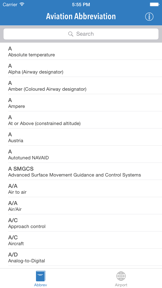
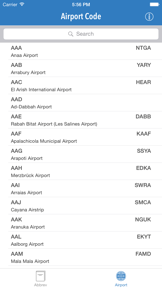


AviationABB is a reference tool designed to help aviation professionals quickly decode industry-standard abbreviations found in charts, NOTAMs, and weather reports. The app features a database of over 8,000 terms, providing a streamlined alternative to manual reference searches.
Overview · Full Intel report in progress
The App DNA
What makes this app unique?
For Pilots and aviation industry personnel who frequently interact with technical documentation and flight reports.
What does it look like?
Key features
Provides quick access to over 8,000 aviation-specific terms and abbreviations.
Designed for rapid lookup of abbreviations to save time during operational tasks.
Allows users to tap on longer terms to view full definitions in a dedicated detail screen.
How much does it cost?
Velocity
Dormant developmentShow more...
3 versions in history. Development pace: zombie.
Who built it?
User Sentiment
What do users think recently?
How are ratings & reviews evolving?
Not enough recent reviews to extract reliable themes yet.
Read the full review analysisCompetition
Competitive landscape for AviationABB - Aviation Abbreviation and Airport Code
How's the Weather market?
The rivals identified

By VersaEdge Software, LLC
Both apps target aviation professionals requiring portable reference tools, creating direct competition for users who need quick access to flight-related identification and technical data.
- AviationABB focuses on decoding technical abbreviations for charts and weather reports, whereas Airport Codes targets global airport identification.
- Airport Codes provides offline access for travelers, while AviationABB prioritizes industry-standard abbreviations for NOTAMs and flight documentation.
 Air CodesContender
 FAA Library: Pilot ManualsContender
 Airport IDContender
 Aviation DictionaryContender
Unlock the head-to-head verdict: where this rival wins, and where it loses.
Access the full report for freeThe Analyst's Read
Key takeaways for AviationABB - Aviation Abbreviation and Airport Code
Where is it heading?
Bottom line
While the app offers a large, convenient database for aviation terminology, user feedback indicates potential gaps in coverage for specific METAR and TAF reporting contractions.
Report last updated