





Duke Nukem: Manhattan Project is a 2D sidescrolling action platformer for iOS, targeting legacy franchise fans with retro-style gameplay.
The App DNA
What makes this app unique?
Users hire this title to revisit 2002-era action mechanics that avoid modern auto-aim or regenerative health, serving a need for high-skill, nostalgic gaming.
For Fans of 2D sidescrolling action games and the Duke Nukem franchise seeking a nostalgic, retro-style gaming experience.
What does it look like?
Key features
Includes G.L.O.P.P. Ray, Pipe Bomb, Pulse Cannon, and X-3000 for combat
Linear progression across New York City regions like Rooftop Rebellion and Chinatown Chiller
Gameplay mechanics excluding regenerative health or auto-aim, mimicking 2002-era design
Localization across 31 languages including AR, ZH, and RU
How much does it cost?
Single-price point model anchored at $1.99, targeting legacy franchise fans with no recurring subscription or IAP.
Velocity
Dormant developmentperformanceShow more...
The app has not received a single update in over 20 months, placing it firmly in the zombie category. There is no evidence of active development, live operations, or maintenance. The last recorded activity was a minor technical fix for display resolution, and the lack of subsequent releases indicates the product is no longer being actively supported.
Who built it?
Spawn Studios, Lda
11 apps tracked · Games
 Crazy Bikers 2 : Bike Racing
 Duke Nukem - Manhattan Project
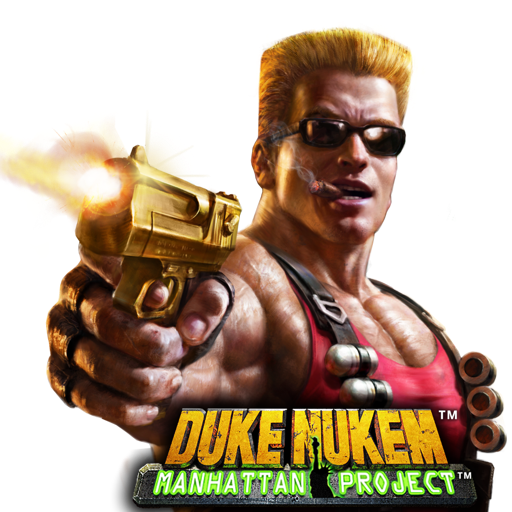 Duke Nukem: Manhattan Project
 Crazy Bikers 3 : Bike riding
 Crazy Bikers 2
 Adico
Adico Smash Can AR
 Ciclotte
 AD-PULSE AR Showroom
 Crazy Bikers 2
User Sentiment
What do users think recently?
The recent review mood reads mixed. Users appreciate nostalgic side-scrolling gameplay mechanics provide an engaging experience for long-term fans of the franchise, but report frequent application crashes and freezing during gameplay sessions prevent users from completing levels or episodes.
How are ratings & reviews evolving?
What users say, by theme
- Nostalgic side-scrolling gameplay mechanics provide an engaging experience for long-term fans of the franchise
- Frequent application crashes and freezing during gameplay sessions prevent users from completing levels or episodes
63 of 182 recent reviews analyzed · high confidence · Mixed overall
Read the full review analysisUnlock 1 user request, each backed by review evidence.
Access the full report for freeCompetition
Competitive landscape for Duke Nukem: Manhattan Project
How's the Games market?
The title maintains a presence in the Paid category across multiple international markets, though rank volatility is high. The $1.99 price point targets legacy fans, but the lack of live-service updates limits its ability to compete for sustained chart positions.
Read the market outlookThe rivals identified
Unlock the deeper market read.
Access the full report for freeThe Analyst's Read
Key takeaways for Duke Nukem: Manhattan Project
Where is it heading?
The retro-platformer market is consolidating around titles that balance nostalgia with modern stability. Duke Nukem: Manhattan Project remains exposed: the lack of a live-ops update cadence will continue to erode its rating baseline as hardware standards evolve.
- Frequent application crashes and freezing during gameplay sessions erode the daily active habit, which compounds the rating drag already visible on the platform.
- Recent updates focused on resolution fixes for newer devices, but the lack of broader feature expansion signals a long-term maintenance-mode posture.
The SWOT
- 31-language localization functions as a B2B distribution barrier into global mobile markets
- Legacy franchise brand identity sustains organic interest
- Untapped potential for wearable companion integration
- Expansion into modern live-service elements like daily challenges
Next best moves
Audit crash logs and fix memory leaks because persistent freezing is the top complaint → reduce churn
+ 1 more prioritized moveThe counter-intuitive read
The title's maintenance-mode status is a strategic asset…
Read the full takeFeature gaps
Real-time PvP (available in Pure Sniper but absent here) +2
Since the last report: The app's competitive profile has declined due to persistent technical instability and crashes, shifting user focus from feature requests to basic functionality concerns.
Bottom line
Duke Nukem: Manhattan Project holds its category lead through sticky retro mechanics but bleeds players to technical instability, so revenue growth hinges on fixing the crash-loop to stabilize the user base.
Unlock 3 critical frictions, 2 market threats, 1 more prioritized move and the analyst’s take.
Access the full report for freeReport last updated