


eKey 2.0
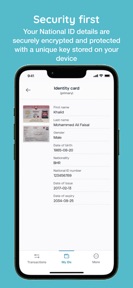
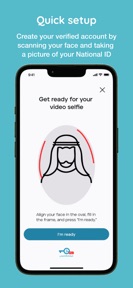
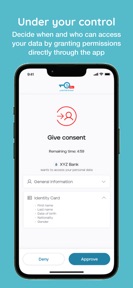
eKey 2.0 is a digital identity and single-sign-on application for Bahraini citizens and residents, providing secure access to government and private sector eServices.
The App DNA
What makes this app unique?
The platform removes the need for users to manage multiple credentials or re-enter personal data across disparate government portals, replacing password-based friction with device-bound identity.
For Citizens and residents of the Kingdom of Bahrain requiring secure access to government and private sector digital services.
What does it look like?
Key features
Centralized digital identity for accessing public and private sector eServices without re-entering personal data
Authentication via device-based credentials instead of traditional passwords
Biometric identity verification using facial recognition for secure account access
How much does it cost?
The app is a free government utility provided by the Information & eGovernment Authority to facilitate national service access.
Velocity
Maintenance developmentperformanceopaqueShow more...
eKey 2.0 maintains a low-frequency release cadence, shipping approximately 0.15 releases per week. Development is currently focused on minor stability and performance improvements rather than new feature delivery. The latest release continues this trend of opaque, maintenance-oriented updates. There have been no major feature additions or live-ops events identified in the recent version history.
Who built it?
eGovernment Authority Bahrain
13+ apps tracked · Productivity
 eTraffic
 GovEmployee
 Student Exam Results
 Wejhaty
 Mawaeed Bahrain
 Government Directory
 MyGov - Bahrain
 Bahrain Legislations
 Sehati
 AlTajir
 Tawasul.
 eShabab
User Sentiment
What do users think recently?
Review voice lately leans mixed. Users appreciate the centralized digital identity service provides a convenient way to access multiple government portals efficiently, but report facial recognition verification fails frequently due to natural changes in appearance or poor lighting conditions.
How are ratings & reviews evolving?
Weekly average review rating
What users say, by theme
- The centralized digital identity service provides a convenient way to access multiple government portals efficiently
- Facial recognition verification fails frequently due to natural changes in appearance or poor lighting conditions
55 of 55 recent reviews analyzed · high confidence · Mixed overall
Read the full review analysisUnlock 2 more frustration themes and 1 user request, each backed by review evidence.
Access the full report for freeCompetition
Competitive landscape for eKey 2.0
How's the Productivity market?
eKey 2.0 holds the #1 Free position in the Productivity category in Bahrain. The gap between this dominant distribution and the mixed 3.4-star rating signals that the app's utility as a mandatory gateway outweighs the current technical friction.
Read the market outlookThe rivals identified

By Jamuna Bank LTD
Both platforms utilize AI-based facial verification to manage digital identity, though they operate in distinct regional markets for government services and banking onboarding respectively.
- Jamuna eKYC provides dual account options including Shariah-compliant Mudaraba accounts, while eKey 2.0 focuses exclusively on identity access.
- Jamuna eKYC targets specific banking acquisition funnels, whereas eKey 2.0 functions as a mandatory national utility for government portals.

Unlock the head-to-head verdict: where this rival wins, and where it loses.
Access the full report for freeThe Analyst's Read
Key takeaways for eKey 2.0
Where is it heading?
The market for government-issued digital identity is consolidating around high-trust biometric standards, yet eKey 2.0's implementation remains brittle. Unless the developer addresses the launch instability and biometric lockout issues, the platform will continue to face high churn pressure during critical service-access windows.
- Frequent facial recognition failures lock users out of essential services, which compounds the frustration already visible in the 3.4-star rating.
- The maintenance-only release cadence (no new features in the latest update) suggests the platform is currently prioritizing stability over expansion.
The SWOT
- Centralized government service access creates a high-utility barrier to entry
- PIN-based authentication fallback would bypass current biometric lockout bottlenecks
Next best moves
Ship PIN-based authentication fallback because facial recognition failure is the top-cited lockout cause → reduce user support volume
+ 1 more prioritized moveThe counter-intuitive read
The #1 chart position is a risk: as a mandatory government utility, eKey 2.
Read the full takeFeature gaps
PIN-based authentication (available in Yoti as a secure alternative, missing here)
Since the last report: The platform remains in a maintenance-oriented state with no material changes to features, pricing, or competitive positioning. Technical stability issues continue to drive negative sentiment without resolution.
Bottom line
eKey 2.0 serves as a critical national utility, but the current biometric-only authentication model creates a failure point that undermines the platform's reliability. Adding a non-biometric fallback would stabilize access and address the primary frustration driving negative sentiment.
Unlock 2 critical frictions, 1 market threat, 1 more prioritized move and the analyst’s take.
Access the full report for freeFAQ
Is eKey 2.0 safe to use for government services?
What should I do if facial recognition fails to log me in?
How does eKey 2.0 compare to private identity apps like Yoti?
Are there alternatives to using eKey 2.0 for Bahrain eServices?
Sources
Report last updated