




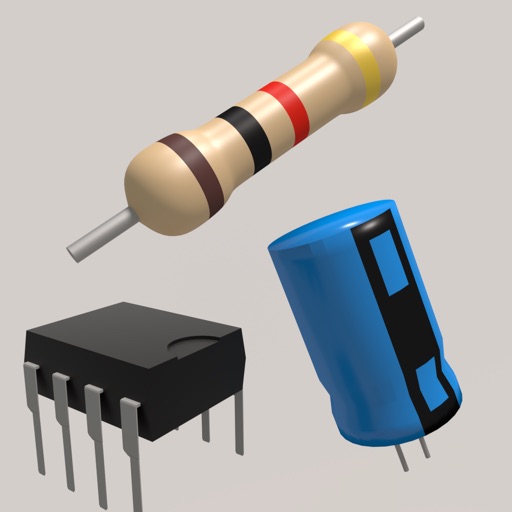
Electronics Toolkit is a mobile reference app for electronic engineers and students, providing calculators and pinout diagrams on iOS and Android.
The App DNA
What makes this app unique?
Users hire the app to solve circuit design problems and access technical references on the go, replacing physical manuals and desktop-based calculation tools.
For Electronic engineering students, hobbyists, and professionals requiring quick reference tools and hardware testing interfaces.
What does it look like?
Key features
Connects to external hardware like HC-05 modules to send commands via terminal, button, or slider modes.
Truth tables for seven logic gates with interactive buttons for real-time state testing.
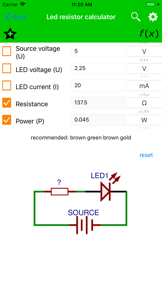
Suite of 30+ calculators for resistors, capacitors, op-amps, and 555 timers.
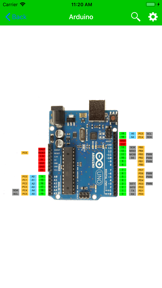
Visual reference diagrams for 4000 and 7400 series integrated circuits.
How much does it cost?
Ad-supported model relies on high-volume utility usage to monetize through display impressions.
Velocity
Dormant developmentopaqueShow more...
The development momentum is classified as zombie due to the lack of any releases in the last 31 months. The most recent update was recorded on October 2, 2023, and there has been no activity since. The release history consists solely of minor bug fixes, indicating a complete cessation of feature development or maintenance.
Who built it?
Electronial
9 apps tracked · Education
 Physics Toolkit Pro
 Amateur Radio Toolkit
 Weight calculator for metals
 Amateur Radio Toolkit
 Chinese stroke order.
 Physics Toolkit
 Electronics Toolkit Pro
 Chinese Stroke Order
User Sentiment
What do users think recently?
Recent user voice shows a mixed sentiment. Users appreciate comprehensive reference material provides value for electronics hobbyists and students learning basic circuit design and frequent content updates keep the reference library relevant for active electronics enthusiasts, but report aggressive monetization and paywalls restrict access to core functionality for free users.
How are ratings & reviews evolving?
What users say, by theme
- Comprehensive reference material provides value for electronics hobbyists and students learning basic circuit design
- Frequent content updates keep the reference library relevant for active electronics enthusiasts
- Aggressive monetization and paywalls restrict access to core functionality for free users
118 of 121 recent reviews analyzed · high confidence · Mixed overall
Read the full review analysisUnlock 2 more frustration themes and 1 user request, each backed by review evidence.
Access the full report for freeCompetition
Competitive landscape for Electronics Toolkit!
How's the Education market?
Electronics Toolkit maintains a niche presence, ranking #135 Grossing in Education (GH) and #81 Free in category (BH). The gap between its utility-driven discovery and monetization friction suggests it is currently under-performing its potential as a primary engineering reference tool.
Read the market outlookThe rivals identified
Unlock the deeper market read.
Access the full report for freeThe Analyst's Read
Key takeaways for Electronics Toolkit!
Where is it heading?
The engineering reference market is consolidating around tools that offer better UI accessibility and professional-grade math engines. Electronics Toolkit remains exposed to churn because its current maintenance-mode cadence fails to address the fundamental UI and technical friction points that power users demand.
- Persistent purchase-restoration bugs in the latest release erode user trust and drive refund requests, compounding the existing rating drag.
- Recent updates focused on stability rather than feature expansion, indicating the product is currently in maintenance mode.
The SWOT
- 30+ calculator suite establishes category authority
- Bluetooth terminal integration creates unique hardware-testing utility
- Dark mode implementation to reduce eye strain
- B2B education partnerships for bulk access
Next best moves
Audit purchase-restoration logic because users report failing to unlock pro features → reduce refund surge
+ 1 more prioritized moveThe counter-intuitive read
The app's aggressive ad-monetization is not just a…
Read the full takeFeature gaps
Chemistry-specific workflow calculators (available in ChemCalc but missing here) +1
Since the last report: The app's competitive position has declined due to emerging technical bugs and UI accessibility issues, shifting the focus from feature expansion to maintenance and stability.
Bottom line
Electronics Toolkit holds its category lead through breadth of reference data but bleeds users to modern alternatives due to technical bugs and poor UI contrast, so revenue growth hinges on fixing purchase-restoration and improving accessibility.
Unlock 3 critical frictions, 2 market threats, 1 more prioritized move and the analyst’s take.
Access the full report for freeReport last updated