





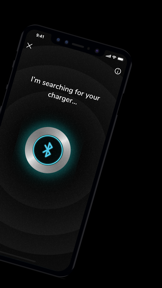

EVBox Connect is a utility app for configuring and managing EVBox charging stations on iOS and Android.
The App DNA
What makes this app unique?
Users hire the app to commission and link charging hardware to local networks, serving the job of hardware setup and ongoing session management.
For Electric vehicle owners and professional installers managing EVBox charging hardware.
What does it look like?
Key features
Establishes direct connection between mobile device and charging hardware for local control
Links charging station to local network to enable communication with management service providers
How much does it cost?
The app functions as a free utility tool to support hardware sales and installation, with no direct in-app monetization.
Velocity
Dormant developmentplatform expansionShow more...
The development cadence is non-existent, with only two releases identified over a span of nearly four years. The latest release in November 2025 provided hardware support, but the extreme infrequency of updates indicates the app is in a zombie state. There is no evidence of ongoing maintenance or feature development, as the release history shows multi-year gaps between updates.
Who built it?
User Sentiment
What do users think recently?
Fresh user feedback skews upset. Users appreciate initial setup and registration process functions smoothly for a small subset of private home users, but report unstable bluetooth connectivity prevents users from configuring or managing charging stations effectively.
How are ratings & reviews evolving?
What users say, by theme
- Initial setup and registration process functions smoothly for a small subset of private home users
- Unstable Bluetooth connectivity prevents users from configuring or managing charging stations effectively
51 of 51 recent reviews analyzed · high confidence · Upset overall
Read the full review analysisUnlock 1 more frustration theme and 1 user request, each backed by review evidence.
Access the full report for freeCompetition
Competitive landscape for EVBox Connect
How's the Utilities market?
EVBox Connect holds a niche utility position in the Auto & Vehicles category, ranking #132 to #174 in select European markets. The lack of grossing rank signals its role as a hardware-support tool rather than a revenue-generating consumer application.
Read the market outlookThe rivals identified
Unlock the deeper market read.
Access the full report for freeThe Analyst's Read
Key takeaways for EVBox Connect
Where is it heading?
The market for EV charging management is shifting toward automated, software-first solutions that prioritize cost-efficiency and ease of use. EVBox Connect remains exposed to this shift because its maintenance-mode update cadence fails to address core connectivity issues, leaving the hardware vulnerable to replacement by smarter, API-integrated alternatives.
- Persistent Bluetooth and Wi-Fi failures in the latest release erode user trust, which compounds the rating drag already visible on Android.
- The lack of scheduled charging features alienates the home-user segment, accelerating churn pressure toward smart-charging competitors like Gridio.
The SWOT
- B2B distribution moat via installer-specific configuration tools
- Hardware-native pairing reduces third-party dependency
- Established compatibility with multiple EVBox hardware lines
- Implementation of scheduled charging for cost efficiency
- Integration of load management data visualization
Next best moves
Rebuild Bluetooth pairing stack because pairing failure is the #1 complaint theme → improve setup success rate
+ 1 more prioritized moveThe counter-intuitive read
The app's failure to provide a stable consumer…
Read the full takeFeature gaps
Scheduled charging (available in Zaptec but missing here) +2
Since the last report: The app's competitive position has declined due to critical technical instability and a significant drop in user sentiment, moving the outlook from stable to declining.
Bottom line
EVBox Connect fails to provide a stable interface for hardware management, because Bluetooth and Wi-Fi connectivity errors block core functionality, so the PM must prioritize stability over new features to prevent hardware returns.
Unlock 3 critical frictions, 3 market threats, 1 more prioritized move and the analyst’s take.
Access the full report for freeReport last updated