


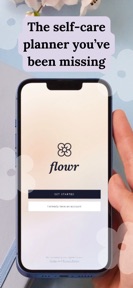


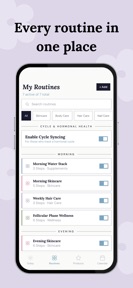

flowr is a self-care planner for iOS that organizes skincare, wellness, and medication routines into a schedule-based dashboard.
The App DNA
What makes this app unique?
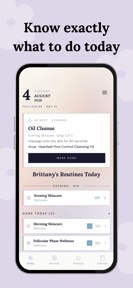
The app removes the cognitive load of managing multi-step wellness rituals by surfacing the right tasks at the right time, displacing the need for manual screenshot folders or fragmented notes.
For Individuals seeking to organize and maintain consistent skincare, wellness, and self-care rituals without gamification or habit-tracking pressure.
What does it look like?
Key features
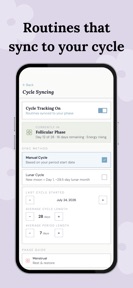
Automated surfacing of specific routines based on menstrual or lunar cycle phases.
Web-based preview and one-tap import of routines shared by other users.
Inventory management for self-care products with rating and tagging to specific routine steps.
How much does it cost?
Subscription model anchored at $34.99/year, offering a 42% discount compared to the monthly rate to incentivize long-term retention.
Velocity
Maintenance developmentperformanceopaqueShow more...
The app has released two updates in the last 30 days, averaging a maintenance-level cadence. Development is currently focused on technical stability and security improvements rather than new features. The release notes remain opaque, providing no insight into specific functional changes or user-facing additions. The development trend is stable but limited to minor maintenance tasks.
Who built it?
User Sentiment
What do users think recently?
How are ratings & reviews evolving?
Not enough recent reviews to extract reliable themes yet.
Read the full review analysisCompetition
Competitive landscape for flowr: Self-Care Planner
How's the Lifestyle market?
flowr occupies the wellness-utility niche, focusing on routine management rather than habit formation. The $34.99 annual price point positions the app as a premium tool for dedicated wellness users, contrasting with ad-supported habit trackers.
Read the market outlookThe rivals identified
Unlock the deeper market read.
Access the full report for freeThe Analyst's Read
Key takeaways for flowr: Self-Care Planner
Where is it heading?
The wellness-planner market is shifting toward specialized utility, moving away from generic habit tracking. flowr is well-positioned to capture this shift if it can successfully transition from a trial-gated tool to a broader free-tier model that encourages long-term usage.
- The app maintains a maintenance-only release cadence, focusing on stability rather than feature expansion, which limits growth potential in the short term.
The SWOT
- Cycle-synced routine scheduling offers a differentiated capability for wellness-focused segments.
- Shared routine links create a low-friction distribution channel for user-generated content.
- Localized content for cycle-tracking could capture segments in markets where wellness apps lack phase-specific scheduling.
Next best moves
Ship a limited free-tier because the 14-day trial is the only path to usage → increase user acquisition.
The counter-intuitive read
The absence of gamification is flowr's primary retention risk…
Read the full takeSince the last report: The primary shift is a strategic pivot toward addressing user acquisition friction by prioritizing a limited free-tier model over the previous trial-only access. This change addresses the identified high barrier to entry in the wellness-planner market.
Bottom line
flowr provides a specialized utility for wellness management that avoids the fatigue of gamified habit trackers. Prioritizing a sustainable free-tier will unlock the user funnel, as the current trial-only model restricts growth in a competitive lifestyle market.
Unlock 1 critical friction, 1 market threat and the analyst’s take.
Access the full report for freeFAQ
Is flowr a habit tracker?
Does flowr offer a free version?
What makes flowr different from other wellness apps?
Sources
- [1] App Store, source
Report last updated