



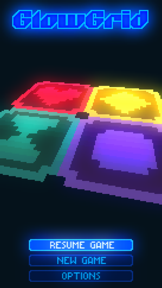

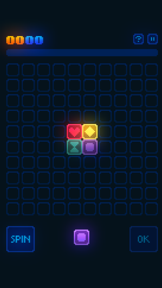

GlowGrid is a retro-aesthetic, grid-based puzzle game for casual mobile players on iOS and Android.
The App DNA
What makes this app unique?
Users hire the game for low-stakes, relaxing mental stimulation, but the current technical instability and lack of progression loops threaten long-term retention.
For Casual mobile gamers interested in retro-aesthetic puzzle games and 80s-inspired synth music.
What does it look like?
Key features
Placement of shapes on a neon grid to clear groups of four or more tiles.
Unlockable items and pieces that assist in clearing the grid as difficulty increases.
Single purchase to disable advertisements within the game.
How much does it cost?
Freemium model uses a single-purchase gate to remove ads, prioritizing ad-inventory monetization for the majority of the user base.
Velocity
Dormant developmentnew contentUX improvementsShow more...
GlowGrid has entered a zombie state, as the last recorded release occurred on July 1, 2025, which is more than 12 months prior to the current date. The development history shows a significant gap between the 2015-2018 iOS activity and the singular 2025 Android update. There is no evidence of ongoing maintenance, feature development, or live operations. The project appears to be abandoned or in a state of permanent inactivity.
Who built it?
Zut Games
6 apps tracked · Games
 I Love Hue Too
 I Love Hue
 I Love Hue Too+
 Klick Klack
 GlowGrid 2
User Sentiment
What do users think recently?
Fresh user feedback skews excited. Users appreciate addictive core puzzle loop provides a relaxing and challenging mental exercise for casual players.
How are ratings & reviews evolving?
What users say, by theme
- Addictive core puzzle loop provides a relaxing and challenging mental exercise for casual players
- Technical instability and performance degradation occur during extended play sessions on mobile devices
30 of 30 recent reviews analyzed · high confidence · Excited overall
Read the full review analysisUnlock 2 more frustration themes and 1 user request, each backed by review evidence.
Access the full report for freeCompetition
Competitive landscape for GlowGrid
How's the Games market?
GlowGrid maintains a 4.57 rating across 68 reviews on iOS, but the lack of recent updates since 2018 signals a maintenance-mode posture that leaves it vulnerable to active rivals like Angry Birds Dream Blast.
Read the market outlookThe rivals identified

By Rovio Entertainment Oyj
This title competes directly for the casual puzzle player's attention by utilizing high-frequency bubble-popping mechanics that mirror the grid-clearing satisfaction found in GlowGrid.
- Leverages massive global IP brand recognition to drive organic acquisition and long-term player retention
- Implements sophisticated social team play and live-ops events that GlowGrid currently lacks entirely
- Features a robust 'Dream Pass' monetization model that creates recurring revenue streams beyond simple gameplay
 Sort Match 3D: Matching PuzzleContender
 Farm Raid : Cartoon Match 3Contender
 Match Arena: Win Real CashContender
 花花爱消除-花儿消除匹配,轻松解压超级消不停Contender
Unlock the head-to-head verdict: where this rival wins, and where it loses.
Access the full report for freeThe Analyst's Read
Key takeaways for GlowGrid
Where is it heading?
Casual block-puzzle traffic is consolidating around fresh entrants with high-frequency social features, leaving GlowGrid's static, offline-first design exposed to churn. The lack of a recurring-revenue meta-loop means the app will struggle to maintain chart relevance against competitors that prioritize seasonal content updates.
- Technical instability during extended play sessions erodes the daily active habit, which compounds the rating drag already visible on mobile devices.
- Angry Birds Dream Blast's live-ops infrastructure pulls social-feature attention away from solo-grid puzzles, accelerating churn pressure on GlowGrid's casual base.
The SWOT
- 80s synth-wave atmosphere differentiates the title from the saturated cartoon-style puzzle market
- Minimalist aesthetic appeals to players seeking a non-intrusive experience
- Global leaderboard implementation would increase competitive value and social retention
- Audio control settings would resolve a top-tier user frustration
Next best moves
Audit ad-removal IAP logic because users report being prompted to purchase even after payment → reduce negative sentiment
+ 1 more prioritized moveThe counter-intuitive read
GlowGrid's maintenance-mode status is its primary risk…
Read the full takeFeature gaps
Global leaderboard system (available in user requests but absent here) +2
Bottom line
GlowGrid retains core players through its zen-puzzle loop, but technical instability and monetization friction prevent higher satisfaction, so the PM should prioritize stability and basic quality-of-life settings to defend the existing user base against live-ops-heavy rivals.
Unlock 3 critical frictions, 2 market threats, 1 more prioritized move and the analyst’s take.
Access the full report for freeSources
Report last updated