



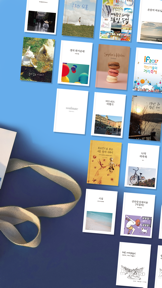


Harubook is a lifestyle app for iOS that allows users to design and print custom physical books from their photos and text.
The App DNA
What makes this app unique?
Users hire Harubook to transform digital daily life, such as travel essays or baby books, into tangible keepsakes through a collaborative, template-driven workflow.
For Individuals looking to document personal milestones, travel experiences, or daily life in a physical book format.
What does it look like?
Key features
Shared book projects allow multiple users to contribute text and photos to a single document.
Physical printing and delivery of digital books, starting from a single copy.
Pre-designed layouts for travel essays, baby books, and pet diaries.
How much does it cost?
The model relies on a free digital design tool to drive high-margin physical print-on-demand sales.
Velocity
Maintenance developmentsocial featuresUX improvementsShow more...
Harubook is currently in a maintenance phase, having released only one update in the last three weeks. The development team is focused on social features and user-defined profile customization. Given the current cadence, the app does not meet the threshold for active or intense development. Future updates are expected to continue at this slow, steady pace.
Who built it?
婷婷 乔
13+ apps tracked · Lifestyle
 Voice Box: AI Voice Changer
 Time Caps - A future diary
 中国象棋Simply Chinese Chess
 Msg Viewer Pro
 Tile-Matching
 Photo Widget-Live Pic Sharing
 Followers - Tracker Insight
 网上国网
网上国网 X IPTV Player Pro
 Chinese Chess - China game
 ICN SMARTPASS (인천공항 스마트패스)
 esimSubscription
User Sentiment
What do users think recently?
The recent review mood reads excited. Users appreciate the core writing experience provides a satisfying creative outlet for daily journaling habits.
How are ratings & reviews evolving?
What users say, by theme
- The core writing experience provides a satisfying creative outlet for daily journaling habits
2 of 2 recent reviews analyzed · limited sample
Read the full review analysisUnlock 1 user request, each backed by review evidence.
Access the full report for freeCompetition
Competitive landscape for Harubook
How's the Lifestyle market?
Harubook maintains a 4.67-star rating across its limited review base, positioning itself as a niche creative tool in the lifestyle category. The reliance on physical product sales rather than subscription revenue differentiates it from content-library peers, though it lacks the high-frequency update cadence of utility-focused rivals.
Read the market outlookThe rivals identified

By KwangHwan Kim
Both apps focus on personal content creation and physical output, targeting users who want to transform digital inputs into tangible, curated keepsakes.
- Integrates AI text extraction to digitize physical notes, a feature Harubook currently lacks entirely.
- Focuses on handwriting tracing and global sharing, whereas Harubook prioritizes structured book layout templates.
Unlock the head-to-head verdict: where this rival wins, and where it loses.
Access the full report for freeThe Analyst's Read
Key takeaways for Harubook
Where is it heading?
The personal-publishing market is shifting toward automated content ingestion, where AI reduces the manual effort of book creation. Harubook remains exposed because its template-based model requires significant user time, so the PM must accelerate automation to prevent churn to faster, AI-enabled competitors.
- The lack of tablet-specific design tools limits the app's appeal for long-form journaling, which pushes power users toward more modern, responsive alternatives.
- Recent updates focused on stability, but the absence of feature expansion leaves the app vulnerable to rivals with faster innovation cycles.
The SWOT
- Collaborative publishing workflow enables multi-user book projects
- Physical print-on-demand service creates a high-margin revenue stream
- Tablet-specific interface would capture the high-intent journaling segment
- AI-assisted content ingestion would reduce user effort
Next best moves
Ship iPad-specific interface because users specifically request it for better writing experiences → increase session length.
+ 1 more prioritized moveThe counter-intuitive read
The lack of high-frequency feature updates is a strength, not a weakness…
Read the full takeFeature gaps
AI text extraction (available in songulsongul but missing here) +1
Since the last report: The app's competitive outlook shifted to mixed due to stagnant feature development and increased pressure from AI-enabled rivals.
Bottom line
Harubook serves a clear niche with its collaborative physical-book workflow, but the manual design process is a churn risk against automated rivals, so the PM should prioritize iPad optimization and AI-assisted ingestion to defend the user base.
Unlock 2 critical frictions, 2 market threats, 1 more prioritized move and the analyst’s take.
Access the full report for freeFAQ
Is Harubook good for making baby books?
Can I write a book with my friends?
Does Harubook have an iPad version?
What is the difference between Harubook and songulsongul?
Sources
- [1] App Store, source
Report last updated