


Lemur is a professional MIDI and OSC control surface for iPad and desktop, allowing users to script custom interfaces for music production and live performance.
Product velocity
Maintenance
Daily rank 🇺🇸
—
Music
Sentiment
2.9
13 reviews
Nemesis

BandLab – Music Maker & Beats
The App DNA
What makes this app unique?
Users report: The platform removes the cognitive load of managing complex hardware rigs by centralizing sample libraries, mix automations, and DAW commands into a single, touch-responsive interface.
For Professional music composers, film score producers, and electronic musicians requiring custom MIDI/OSC control surfaces.
Key features
Vector-based widget creation with multitouch support, shadows, and transparency via HTML5-adapted scripting.
StepNote, StepSwitch, and StepSlider objects with On Clock execution mode for MIDI synchronization.
Direct project configuration and script modification via iOS menus and gestures on iPad.
How much does it cost?
Subscription-only model gates all core functionality, moving away from legacy one-time purchase models.
Velocity
Maintenance developmentperformanceShow more...
The app is currently in a maintenance phase, with only two releases identified in the analyzed window and the latest release occurring 183 days ago. Development activity is minimal, focusing exclusively on minor stability and reliability fixes rather than new features or content. There is no evidence of live operations or recurring seasonal updates. The current cadence reflects a significant period of stagnation compared to standard active development cycles.
Who built it?
User Sentiment
What do users think recently?
Users report: The recent review mood reads mixed. Users appreciate deep scripting capabilities provide professional-grade control for complex live performance rigs and touring setups and long-term users appreciate the continued availability of the platform for their creative music workflows.
How are ratings & reviews evolving?
What users say, by theme
- Deep scripting capabilities provide professional-grade control for complex live performance rigs and touring setups
- Long-term users appreciate the continued availability of the platform for their creative music workflows
- Subscription-based monetization model creates friction for legacy users who previously purchased the software
7 of 7 recent reviews analyzed · limited sample · Mixed overall
Read the full review analysisUnlock 1 more frustration theme and 1 user request, each backed by review evidence.
Access the full report for freeCompetition
Competitive landscape for Lemur
How's the Music market?
Lemur holds a specialized position in the music category, with a 2.9-star rating across 13 total ratings on iOS. The lack of recent feature updates and the transition to a subscription model have created a gap between legacy user expectations and current monetization, as evidenced by the low review count and restoration complaints.
Read the market outlookThe rivals identified
By BandLab Singapore Pte Ltd
BandLab competes for the same creative music-making audience by offering a modern, cloud-native DAW that prioritizes accessibility and social collaboration over Lemur's specialized MIDI/OSC control focus.
- Offers integrated AI-driven song generation tools that Lemur lacks for rapid creative prototyping.
- Provides a massive cloud-synced social ecosystem that creates significant user lock-in through community collaboration.
- Features native stem separation technology, simplifying complex audio production tasks for mobile-first creators.
 Mid-Side ContinuumContender
 Big Stuff Harmonic DistortionContender
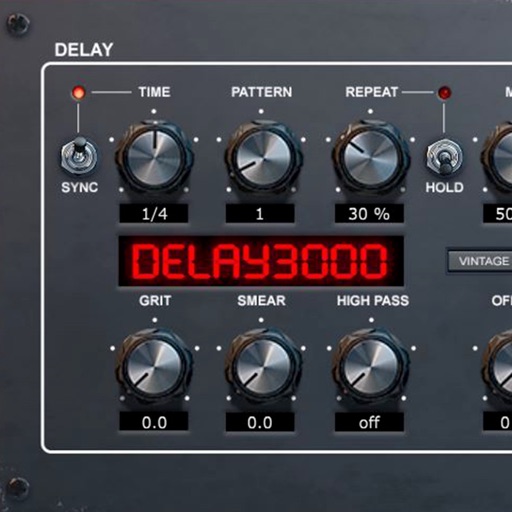 Delay3000 Vintage ModernContender
 TAPESCAMContender
Unlock the head-to-head verdict: where this rival wins, and where it loses.
Access the full report for freeThe Analyst's Read
Key takeaways for Lemur
Where is it heading?
The music production utility market is consolidating around cloud-native tools that prioritize stability and ease of access. Lemur's current maintenance-only cadence, combined with subscription friction, leaves it exposed to more reliable competitors that do not gate legacy access behind new paywalls.
- Restoration failures for legacy purchases block access for long-term users, which compounds the rating drag already visible on the App Store.
- The latest release focuses on stability rather than feature expansion, signaling that the app is in a maintenance-only cadence.
The SWOT
- Deep scripting language provides professional-grade control for complex live performance rigs
- In-app editor on iPad reduces the learning curve for custom interface design
- In-app editor on iPad offers a path to lower the barrier for new professional adopters
Next best moves
Audit purchase restoration logic because restoration failure is the top complaint → reduce churn
+ 1 more prioritized moveThe counter-intuitive read
The subscription transition is not just a monetization move…
Read the full takeFeature gaps
Integrated AI-driven song generation (available in BandLab but absent here) +1
Since the last report: The outlook trend has shifted from mixed to declining, driven by the persistent failure of purchase restoration logic and the resulting erosion of brand trust among legacy users. This transition reflects a market environment where the platform's maintenance-only cadence leaves it increasingly vulnerable to more reliable, modern competitors.
Bottom line
Users report: Fixing purchase restoration is the only way to stop the erosion of the legacy user base, as the current subscription friction is actively driving negative sentiment. Addressing this access issue will unlock the retention of power users who rely on Lemur for their professional rigs.
Unlock 2 critical frictions, 1 market threat, 1 more prioritized move and the analyst’s take.
Access the full report for freeFAQ
Is Lemur still suitable for professional live performance?
How does Lemur compare to BandLab for music production?
Are there free alternatives to Lemur?
Sources
Report last updated