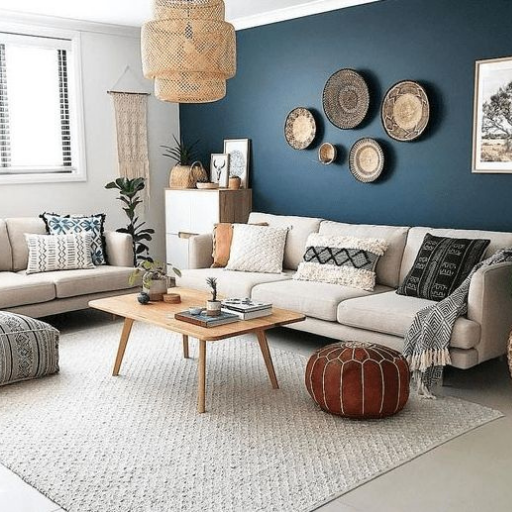




Living Room Interior Design is a static gallery app for Android that provides interior decoration photography and furnishing guides to homeowners and renters.
The App DNA
What makes this app unique?
The app removes the cognitive friction of searching for home decor inspiration by aggregating diverse design concepts into a single, accessible mobile interface.
For Homeowners and renters seeking interior design inspiration and basic furnishing advice for living spaces.
What does it look like?
Key features
Static collection of living room interior photography and furnishing concepts.
Text-based guides and advice for room planning, furniture selection, and color coordination.
How much does it cost?
The app operates on a free-to-use model supported by ad inventory.
Velocity
Dormant developmentopaqueShow more...
The app has not received a release in over 7 months, falling well outside the threshold for active development. With only a single version provided in the history and no updates since October 2025, the development momentum is classified as zombie. There is no evidence of ongoing feature work, bug fixes, or live operations.
Who built it?
Smartongroup
13+ apps tracked · House & Home
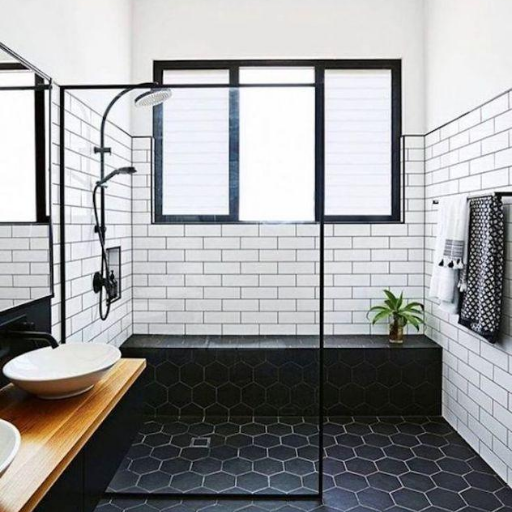 Shower Designs
 Modular Kitchen
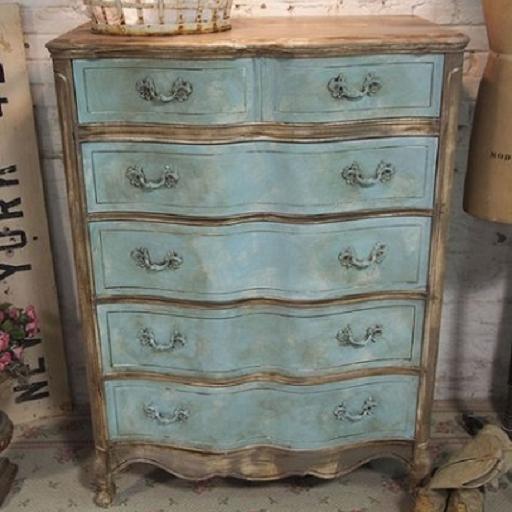 Vintage Furniture
 Home Furniture
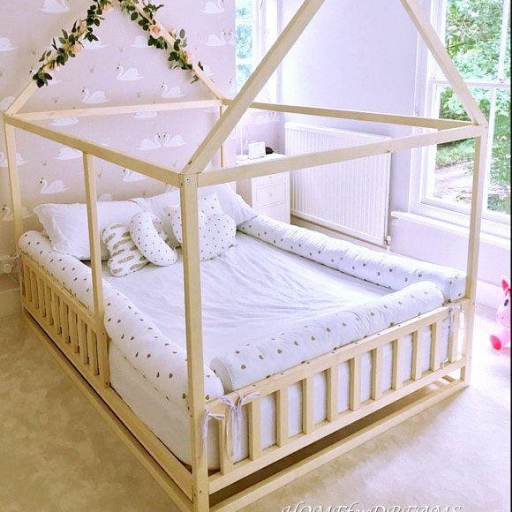 Children's Beds
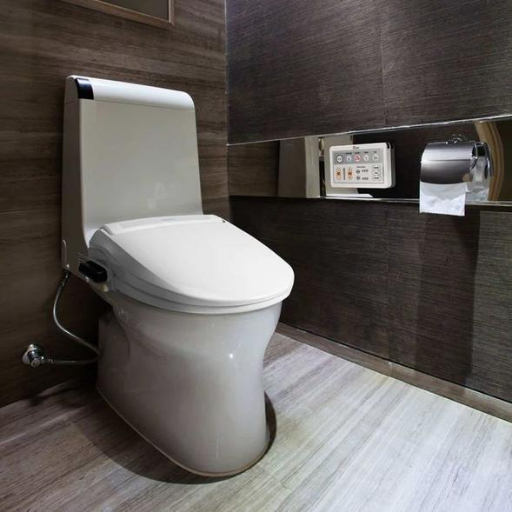 Toilet Seats
 Crochet Doll
 Nail Paint
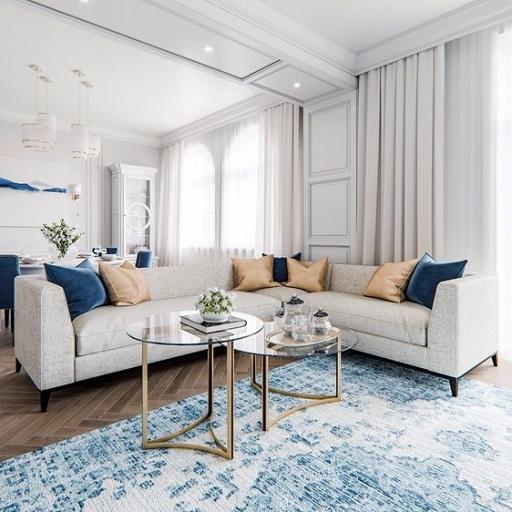 Interior Home Decoration
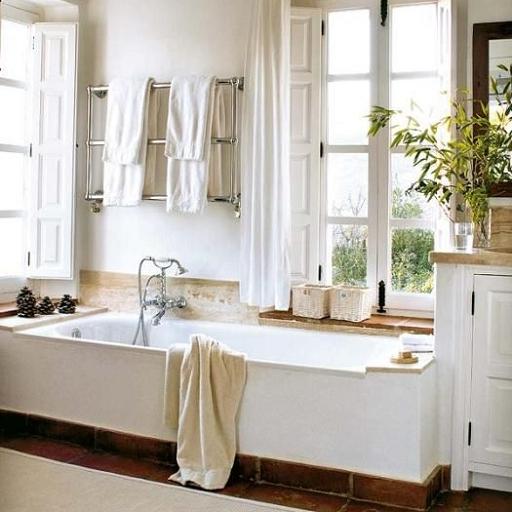 Bathroom Remodel
 Crochet Blanket Patterns
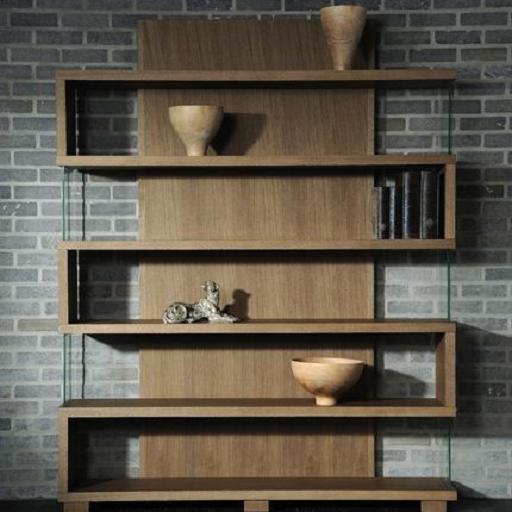 Shelving Ideas
User Sentiment
What do users think recently?
The recent review mood reads thrilled. Users appreciate the app provides a wide variety of creative interior design concepts for living spaces and the interface is straightforward and easy to navigate for users seeking design inspiration.
How are ratings & reviews evolving?
What users say, by theme
- The app provides a wide variety of creative interior design concepts for living spaces
- The interface is straightforward and easy to navigate for users seeking design inspiration
- Some users find the content uninteresting or lacking engagement during their browsing sessions
11 of 11 recent reviews analyzed · moderate confidence · Thrilled overall
Read the full review analysisCompetition
Competitive landscape for Living Room Interior Design
How's the House & Home market?
Living Room Interior Design maintains a 4.3-star rating across 59 total reviews on Android, reflecting a stable but narrow user base. The lack of updates for over 7 months signals a maintenance-mode posture that leaves the app vulnerable to rivals with active live-ops.
Read the market outlookThe rivals identified

By MISSU LIMITED
This app competes directly for the same visual-personalization audience by offering high-density imagery that serves as a functional alternative to static interior design inspiration.
- Offers a massive library of thousands of images compared to this app's limited design collection
- Provides dynamic charging animations that offer functional utility beyond simple static interior design photos
- Maintains a significantly larger user base, providing social proof that this app currently lacks
 Skywall - Ultra HD+ WallpapersContender
 Ultra Watch Faces - Gallery AIContender
 Backgrounds and Wallpapers HDContender
 Kawaii Wallpaper+Contender
Unlock the head-to-head verdict: where this rival wins, and where it loses.
Access the full report for freeThe Analyst's Read
Key takeaways for Living Room Interior Design
Where is it heading?
The home-design category is shifting toward interactive, gamified experiences that offer higher retention than static galleries. Living Room Interior Design remains in maintenance mode, which will likely lead to a gradual decline in active users as competitors with active live-ops capture the market.
- The seven-month update gap indicates a lack of feature investment, which accelerates churn as users exhaust the static content library.
The SWOT
- Visual-first gallery provides immediate inspiration for casual users
- Localized style guides could differentiate the app from generic wallpaper rivals
Next best moves
Pivot to curated style guides because current static content lacks engagement → increase session duration
The counter-intuitive read
The lack of interactive features is a retention risk…
Read the full takeFeature gaps
Interactive makeover gameplay (available in Garden Decor but missing here) +1
Since the last report: The app's competitive focus has transitioned from functional interior design utility to passive aesthetic browsing, now benchmarking against high-volume wallpaper apps and casual makeover games. This shift reflects a move away from professional-grade planning tools toward a maintenance-mode gallery model.
Bottom line
The current static gallery model fails to compete with interactive makeover games that drive higher retention. Pivoting to curated, actionable style guides would address the engagement deficit without requiring a full transition into a complex gameplay loop.
Unlock 1 critical friction, 1 market threat and the analyst’s take.
Access the full report for freeFAQ
Is Living Room Interior Design suitable for professional interior designers?
How does Living Room Interior Design compare to makeover games?
Does Living Room Interior Design require an internet connection?
What are some alternatives for interactive home design?
Sources
- [1] Play Store listing, source
Report last updated