


Lost Bubble is a casual bubble-shooter puzzle game for iOS and Android featuring over 4,000 levels and social gifting mechanics.
The App DNA
What makes this app unique?
Players hire the game for low-stakes mental stimulation, but the lack of cloud-save synchronization threatens the long-term investment of veteran users.
For Casual mobile gamers seeking puzzle-based entertainment with social connectivity features.
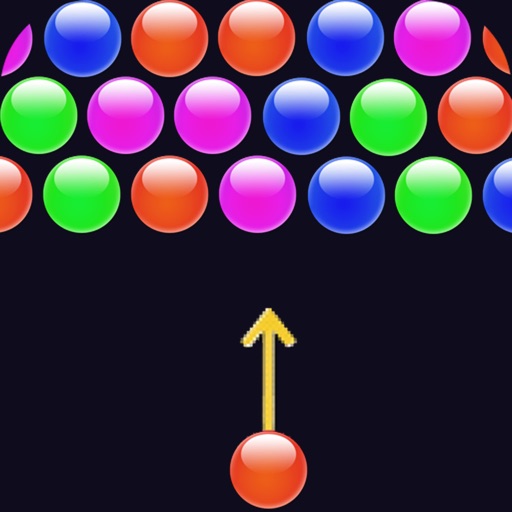
What does it look like?
Key features
Extensive library of puzzle levels with unique layouts and increasing difficulty
20+ unlockable power-ups designed to assist with difficult level obstacles
Peer-to-peer exchange of lives and coins within the game interface
How much does it cost?
Freemium model relies on IAP-driven progression assistance and high-volume engagement.
Velocity
Maintenance developmentnew contentperformanceShow more...
The app maintains a release cadence of approximately 0.25 releases per week, placing it in the maintenance tier. Development is characterized by infrequent updates, with the most recent release occurring roughly one month after the previous one. While the latest version includes new content, the overall frequency suggests a focus on stability and occasional content drops rather than continuous feature iteration.
Who built it?
Peak Games
5 apps tracked · Games
 Lost Jewels - Match 3 Puzzle
 Toon Blast
 Match Factory!
 Toy Blast
User Sentiment
What do users think recently?
Fresh user feedback skews mixed. Users appreciate challenging puzzle mechanics provide long-term mental stimulation for dedicated players over many years, but report frequent loss of game progress following updates or device transfers frustrates long-term users.
How are ratings & reviews evolving?
What users say, by theme
- Challenging puzzle mechanics provide long-term mental stimulation for dedicated players over many years
- Frequent loss of game progress following updates or device transfers frustrates long-term users
100 of 107 recent reviews analyzed · high confidence · Mixed overall
Read the full review analysisUnlock 1 user request, each backed by review evidence.
Access the full report for freeCompetition
Competitive landscape for Lost Bubble - Pop Bubbles
How's the Games market?
Lost Bubble maintains a stable presence in the casual puzzle category, but the lack of cloud-save functionality creates a retention deficit compared to narrative-driven competitors.
Read the market outlookThe rivals identified

By Jam City, Inc.
Both apps target the casual puzzle market with 4,000+ level progression models, competing for the same long-term retention of casual mobile gamers.
- Panda Pop! enables offline-first play, whereas Lost Bubble requires a persistent connection for core gameplay.
- Panda Pop! integrates a panda-rescue narrative, while Lost Bubble relies on classic arcade mechanics.
 Bubble Shooter: Pop & BlastContender
 Bubbles Empire ChampionsContender
 Bubble Shooter - Snoopy POP!Contender
 Bubble Shooter Pop!Contender
 Bubble Witch 3 SagaContender
 Bubble Pop! Puzzle Game LegendContender
 Bubble Pop DreamContender
 Shoot Bubbles - Bubble PopContender
Unlock the head-to-head verdict: where this rival wins, and where it loses.
Access the full report for freeThe Analyst's Read
Key takeaways for Lost Bubble - Pop Bubbles
Where is it heading?
Casual puzzle traffic is consolidating around narrative-driven entrants, leaving Lost Bubble exposed to churn. The lack of cloud-save functionality is the primary driver of negative sentiment, so revenue stability hinges on fixing account recovery before the veteran base migrates.
- Frequent progress loss following updates erodes the veteran user base, which compounds the churn risk already visible in recent sentiment data.
- Recent updates focused on stability and level additions, indicating a maintenance-mode posture rather than active feature expansion.
The SWOT
- Social gifting network effects reduce churn
- 4000+ level library sustains long-term engagement
- Untapped B2B partnerships
- Integration of modern meta-progression layers
Next best moves
Ship cloud-save because progress loss is the #1 complaint → stop veteran churn
+ 2 more prioritized movesThe counter-intuitive read
The game's reliance on a classic arcade loop is a strength…
Read the full takeFeature gaps
Narrative-driven meta-progression (available in Bubble Witch 3 Saga but absent here) +1
Since the last report: The product is transitioning into a maintenance-mode posture, with technical instability regarding cloud-save functionality creating a significant churn risk that offsets the retention benefits of its classic arcade loop.
Bottom line
Lost Bubble retains long-term fans through classic puzzle mechanics, but the lack of cloud-save synchronization creates a critical churn risk, so the team must prioritize account recovery to protect the veteran user base.
Unlock 3 critical frictions, 2 market threats, 2 more prioritized moves and the analyst’s take.
Access the full report for freeReport last updated