


MIDI Monitor is a technical diagnostic utility for BLE-MIDI and USB-MIDI signal monitoring on iOS.
The App DNA
What makes this app unique?
Users hire this tool to debug hardware connectivity and visualize MIDI message structures without needing a full desktop DAW environment.
For Music producers and developers working with MIDI hardware who require a diagnostic tool for signal monitoring and performance testing.
Key features
Displays real-time BLE-MIDI and USB-MIDI data including note events and system-exclusive messages in hexadecimal format.
Visualizes note velocity and ON/OFF status via keyboard or bar interface.
Captures and stores user performance data locally.
How much does it cost?
The application is distributed as a free utility with no observable monetization mechanisms or subscription gates.
Velocity
Dormant developmentopaqueShow more...
The app has not received a feature update or maintenance patch in over 5 months. With only one release recorded in the observed data, the development cadence is effectively dormant. There is no evidence of active maintenance or live operations, placing the app in the zombie category based on the lack of recent activity.
Who built it?
User Sentiment
What do users think recently?
How are ratings & reviews evolving?
Not enough recent reviews to extract reliable themes yet.
Read the full review analysisCompetition
Competitive landscape for MIDI Monitor
How's the Music market?
MIDI Monitor occupies a niche utility space within the Music category, focusing on technical diagnostic tasks rather than consumer-facing audio production.
Read the market outlookThe rivals identified
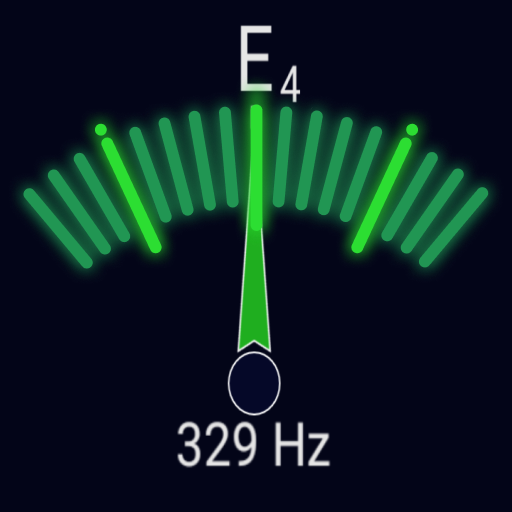
By ZipoApps
While focused on tuning, this app dominates the broader 'Music & Audio' utility space where MIDI Monitor users often reside, competing for the same casual musician's screen time and device resources.
- Massive user base and high review volume create a significant barrier to entry for newcomers
- Broad utility focus attracts casual musicians who may eventually require MIDI monitoring capabilities
- Highly polished visual interface provides a superior user experience compared to technical MIDI tools


Unlock the head-to-head verdict: where this rival wins, and where it loses.
Access the full report for freeThe Analyst's Read
Key takeaways for MIDI Monitor
Where is it heading?
The MIDI utility market is consolidating around tools that offer cross-platform synchronization and broader protocol support. MIDI Monitor remains exposed due to its limited feature set and lack of revenue, so the developer must pivot to a paid model to sustain development.
- Lack of recent feature updates signals maintenance-mode status, which allows competitors like Protokol to capture the professional power-user segment.
The SWOT
- PIANO Mode recording enables local performance capture
- Low-level hexadecimal visualization provides immediate hardware diagnostic utility
- Implement paid pro-tier for advanced logging
- Add OSC protocol support for audio engineers
Next best moves
Implement paid pro-tier for advanced MIDI logging because current zero-monetization model limits development → increase revenue for feature parity.
The counter-intuitive read
The app's lack of monetization is not a strength for users…
Read the full takeFeature gaps
Cross-platform console synchronization (available in Protokol) +2
Since the last report: The report identifies new competitive threats from professional-grade tools and formalizes the need for a monetization pivot to avoid obsolescence.
Bottom line
MIDI Monitor provides essential diagnostic utility for hardware developers, but its lack of monetization and maintenance-mode status threatens its long-term viability against professional competitors, so the developer must introduce a pro-tier to fund necessary feature parity.
Unlock 3 critical frictions, 2 market threats and the analyst’s take.
Access the full report for freeReport last updated