


Myndlift is a brain-training app that pairs Muse EEG headbands with personalized neurofeedback and remote clinical supervision on iOS.
The App DNA
What makes this app unique?
Users hire Myndlift to bridge the gap between home-based brain training and professional clinical guidance, using objective EEG data to regulate neural activity.
For Individuals seeking to manage anxiety, improve focus, or achieve peak cognitive performance through data-backed neurofeedback.
What does it look like?
Key features
Gamified brain training sessions that use EEG data from Muse headbands to regulate brain activity
Remote monitoring and personalized training plans provided by professional neurofeedback clinicians
Detailed snapshot of neural activity including brainwave imbalance, processing speed, and reaction time
How much does it cost?
Freemium model uses free educational content to acquire users, while gating neurofeedback training and professional supervision behind a subscription.
Velocity
Maintenance developmentopaqueShow more...
The app has released only one update in the observed data, which contains generic bug fix notes. Given the lack of recent activity and the absence of feature-rich updates, the development momentum is classified as maintenance. There is no evidence of live operations or new content deployment. Future updates are expected to remain focused on stability and minor technical improvements.
Who built it?
User Sentiment
What do users think recently?
The recent review mood reads excited. Users appreciate clinical effectiveness, but report hardware friction.
How are ratings & reviews evolving?
What users say, by theme
- Clinical effectiveness
- Hardware friction
Competition
Competitive landscape for Myndlift
How's the Health & Fitness market?
Myndlift maintains a 4.83 rating across 1,577 reviews, positioning itself as the clinical-grade alternative to mass-market brain games. The hardware-dependent model creates a higher barrier to entry than software-only competitors, signaling a focus on high-intent users over broad discovery.
Read the market outlookThe rivals identified
By SHUUICHI WATANABE
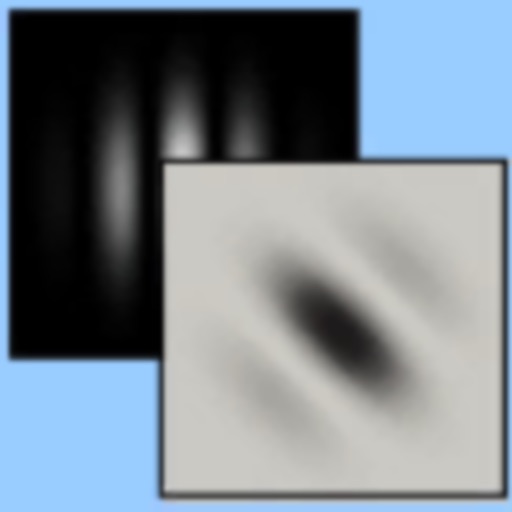
This app directly competes by focusing on Gabor patch-based visual training, a niche neuro-training methodology that overlaps with Myndlift’s brain health focus.
- Focuses exclusively on Gabor patch visual stimuli rather than broad neurofeedback or EEG-based training.
- Utilizes a simplified goal calendar interface that lacks the human-supported coaching found in Myndlift.

Unlock the head-to-head verdict: where this rival wins, and where it loses.
Access the full report for freeThe Analyst's Read
Key takeaways for Myndlift
Where is it heading?
The brain-training market is consolidating around specialized clinical outcomes, favoring apps that demonstrate measurable results. Myndlift is well-positioned to capture this segment if it can successfully pivot toward professional referral channels to mitigate hardware-acquisition costs.
- High user satisfaction with clinical supervision suggests the core retention loop is working for the premium segment.
- Hardware-dependent onboarding friction continues to limit the addressable market compared to software-only competitors.
The SWOT
- Clinical-grade remote supervision model creates high switching costs
- EEG-based neurofeedback provides objective performance metrics unavailable in standard brain games
- B2B partnerships with mental health clinics to drive professional referrals
- Expansion into somatic regulation to capture adjacent market segments
Next best moves
Ship B2B clinic referral portal because professional referrals bypass hardware-cost friction → increase premium subscriber acquisition
+ 1 more prioritized moveThe counter-intuitive read
The reliance on expensive Muse hardware is not…
Read the full takeFeature gaps
Software-only neuro-training (available in Gabor Brain Game + but absent here)
Since the last report: The app is pivoting from a direct-to-consumer model toward B2B clinical referral channels to overcome hardware-related acquisition friction.
Bottom line
Myndlift holds a strong clinical position through its human-supervision model, but the hardware-dependency creates a ceiling on growth, so the PM should prioritize B2B referral channels to bypass the consumer-acquisition friction.
Unlock 2 critical frictions, 2 market threats, 1 more prioritized move and the analyst’s take.
Access the full report for freeReport last updated