



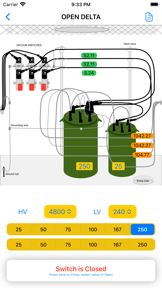


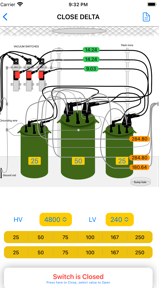



PowerAmp is a high-fidelity local music player and electrical engineering utility for students and audio enthusiasts on Android and iOS.
The App DNA
What makes this app unique?
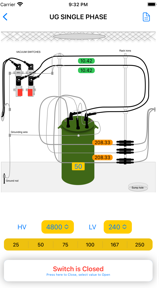
Users hire PowerAmp for surgical audio frequency control and reliable playback of high-capacity local music libraries, while apprentices use it for transformer current calculations.
For Audio enthusiasts seeking high-fidelity playback control and electrical engineering students learning transformer distribution.
What does it look like?
Key features
Provides surgical sound frequency control with preamp and per-device presets; functions as a premium-tier gate for audio enthusiasts.
Supports direct routing to device audio stacks for 32-bit output; establishes brand authority and increases switching costs.
Applies parametric and graphic EQ settings to third-party streaming services; expands utility beyond the local player.
How much does it cost?
Monetization relies on a one-time purchase model, bypassing recurring subscription fees to encourage long-term loyalty.
Velocity
Maintenance developmentperformanceopaqueShow more...
The app ships approximately 0.02 releases per week based on the observed data, which spans over two years. Development is currently in a maintenance state, characterized by infrequent, minor stability updates and a lack of visible feature development or live operations. The latest release provides no specific feature information, suggesting a focus on long-term stability rather than active growth or content expansion.
Who built it?

User Sentiment
What do users think recently?
Fresh user feedback skews excited. Users appreciate parametric equalizer and audio codec support provide superior sound quality for audiophiles and long-term loyalty driven by consistent support for legacy purchase licenses, but report mandatory internet connectivity for license verification frustrates users with offline listening habits.
How are ratings & reviews evolving?
What users say, by theme
- Parametric equalizer and audio codec support provide superior sound quality for audiophiles
- Long-term loyalty driven by consistent support for legacy purchase licenses
- Robust local file management handles large music libraries without performance degradation
- Mandatory internet connectivity for license verification frustrates users with offline listening habits
50 of 50 recent reviews analyzed · high confidence · Excited overall
Read the full review analysisUnlock 2 more frustration themes and 3 user requests, each backed by review evidence.
Access the full report for freeCompetition
Competitive landscape for PowerAmp
How's the Education market?
PowerAmp maintains a consistent presence in the Music & Audio category across global charts. The grossing rank often lags behind free-tier discovery, signaling that the one-time purchase model requires higher conversion volume to match subscription-based competitors.
Read the market outlookThe rivals identified

By V PUGAZHENTHI
This app directly competes for the same technical student and apprentice demographic by providing specialized electrical circuit calculation tools.
- Offers cross-device compatibility which allows users to transition seamlessly between mobile and desktop environments
- Provides a broader range of customizable unit support compared to PowerAmp's specific transformer focus
- Maintains a higher user rating and more frequent engagement signals within the electrical education niche
Unlock the head-to-head verdict: where this rival wins, and where it loses.
Access the full report for freeThe Analyst's Read
Key takeaways for PowerAmp
Where is it heading?
The high-fidelity audio market is consolidating around players that offer seamless offline access, leaving PowerAmp exposed to churn if license verification remains rigid. While the current feature cadence is strong, the team must address the library-management stability issues to ensure the product remains the default choice for power users.
- Mandatory online license verification creates a persistent churn risk for the core audiophile base that relies on offline listening.
- Active feature investment in Hi-Res output and AutoEQ presets signals the app is in growth mode rather than maintenance.
The SWOT
- 64-band parametric equalizer functions as a premium-tier gate for audio enthusiasts
- Hi-Res audio engine establishes category authority among audiophiles
- Long-term license support drives high user retention
- Native NAS integration would capture the home-media-server segment
- Expanding transformer-related educational content could deepen the apprentice user base
Next best moves
Audit library import logic because file deletion reports are a top-tier sentiment blocker → reduce data-loss churn
+ 1 more prioritized moveThe counter-intuitive read
The app's technical utility feature (Transformer Calculator) is…
Read the full takeFeature gaps
Cross-device synchronization (available in Electrical Parallel Calculator but missing here) +1
Bottom line
PowerAmp retains a loyal base through superior audio fidelity, but its destructive library management and restrictive license verification threaten to alienate power users, so the team must prioritize library stability and offline-access logic to prevent churn to more reliable alternatives.
Unlock 3 critical frictions, 2 market threats, 1 more prioritized move and the analyst’s take.
Access the full report for freeFAQ
Is PowerAmp worth paying for if I am a casual listener?
Does PowerAmp work without an internet connection?
How does PowerAmp compare to Electrical Parallel Calculator?
Sources
Report last updated