


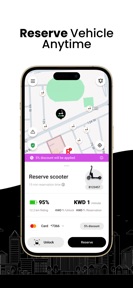


Rent it is a shared electric scooter rental app and B2B mobility platform that provides QR-based vehicle access and white-label fleet management software.
The App DNA
What makes this app unique?
Operators use Rent it to bypass the high development costs of proprietary mobility software by licensing existing source code and branding.
For Shared mobility operators looking to launch or scale vehicle fleets and end-users seeking short-term electric scooter rentals.
What does it look like?
Key features
Automated fleet management system monitoring vehicle health and payment collection.
Platform allows operators to apply custom branding, logos, and icons to the rider app.
In-app scanner for QR codes printed on scooters to initiate rental sessions.
How much does it cost?
Monetization targets B2B operators through SaaS rental fees or source code licensing, while the rider app serves as a free distribution channel for the fleet.
Velocity
Dormant developmentopaqueShow more...
The app has been inactive for 317 days, with no new feature builds or updates recorded in the last 10 months. This extended period of silence indicates a lack of development momentum. There are no signs of active maintenance or live operations, suggesting the project is currently in a dormant state.
Who built it?
Magnushub
9 apps tracked · Travel
 FARO ride
 Xslide
 Scootz - Scooter Sharing
 Scoot - Scooter sharing
 BZERBA - scooter sharing
 OTORide - Operator App
 Take - Scooter Sharing
 Sky Scooters - Scooter Sharing
User Sentiment
What do users think recently?
How are ratings & reviews evolving?
Not enough recent reviews to extract reliable themes yet.
Read the full review analysisCompetition
Competitive landscape for Rent it - Scooter Sharing
How's the Travel market?
Rent it serves a specialized B2B segment, differentiating from consumer-first scooter apps by offering source code ownership. The 317-day update gap signals a pivot toward maintenance of existing B2B contracts rather than active growth in the consumer market.
Read the market outlookThe rivals identified
Unlock the deeper market read.
Access the full report for freeThe Analyst's Read
Key takeaways for Rent it - Scooter Sharing
Where is it heading?
The shared mobility market is consolidating, and Rent it's B2B-licensing focus insulates it from the direct competition of consumer-facing scooter networks. However, the 317-day development silence leaves the platform vulnerable to technical obsolescence, which will eventually force a choice between a platform-wide rebuild or a sunset of the B2B licensing business.
- The 317-day update gap indicates a dormant development cycle, which risks alienating B2B operators who require modern hardware and API compatibility.
- The B2B licensing model provides a stable revenue base that does not rely on the high-frequency feature updates typical of consumer-facing apps.
The SWOT
- White-label source code licensing lowers entry costs for mobility operators
- Untapped regional markets for branded, operator-owned scooter fleets
Next best moves
Audit API compatibility because the 317-day update gap risks breaking operator integrations → maintain B2B contract retention
The counter-intuitive read
The lack of updates is a feature for…
Read the full takeSince the last report: Rent it has transitioned its market positioning from a growth-focused mobility platform to a stable, legacy B2B utility. This shift reflects a strategic pivot toward maintaining existing licensing contracts rather than pursuing active consumer-facing development.
Bottom line
Rent it functions as a legacy B2B utility rather than a consumer-facing growth product. Prioritizing backend stability for existing licensees would protect the core revenue stream while the platform remains in a maintenance-only posture.
Unlock 1 critical friction, 1 market threat and the analyst’s take.
Access the full report for freeFAQ
Is Rent it suitable for starting my own scooter rental business?
How does Rent it differ from major scooter sharing apps?
Is the Rent it app actively maintained?
Sources
Report last updated