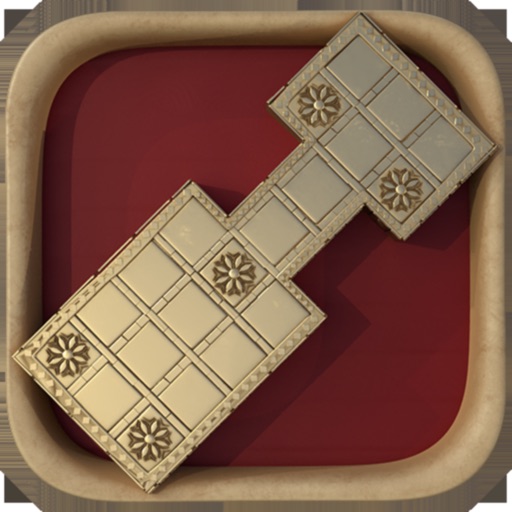




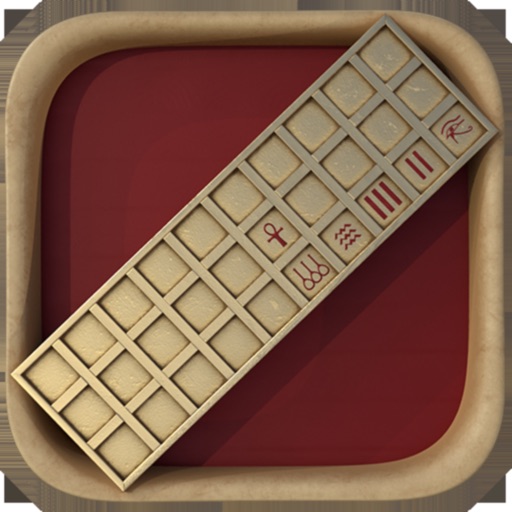
Royal Game of Ur (AG) is a digital board game collection for iOS and Android that resurrects ancient strategy games through a unified, cross-platform hub.
The App DNA
What makes this app unique?
The app removes the storage and progression friction of managing multiple standalone historical game apps by centralizing them into a single collection.
For Board game enthusiasts and history hobbyists interested in historical strategy games with modern progression systems.
What does it look like?
Key features
Centralized hub for multiple historical board games allowing shared progress and storage efficiency.
Real-time matchmaking between iOS and Android users for online play.
How much does it cost?
Freemium model utilizes ad-inventory for free users while gating progression speed and ad-free access behind subscription editions.
Velocity
Dormant developmentopaqueperformanceShow more...
The app has entered a zombie state, with no releases recorded in the last six months. The most recent update was a minor maintenance patch released in November 2025, following a significant gap since the previous major feature update in early 2024. There is no evidence of active development, live operations, or ongoing support for the platform.
Who built it?

User Sentiment
What do users think recently?
The recent review mood reads mixed. Users appreciate historical accuracy and artistic presentation keep players immersed in the ancient board game setting, but report game state errors and failure to recognize victory conditions disrupt the core match loop.
How are ratings & reviews evolving?
What users say, by theme
- Historical accuracy and artistic presentation keep players immersed in the ancient board game setting
- Game state errors and failure to recognize victory conditions disrupt the core match loop
88 of 137 recent reviews analyzed · high confidence · Mixed overall
Read the full review analysisUnlock 1 user request, each backed by review evidence.
Access the full report for freeCompetition
Competitive landscape for Royal Game of Ur (AG)
How's the Games market?
Royal Game of Ur (AG) currently holds a #26 Grossing position in the UAE board game category. The gap between its niche historical appeal and the high-production value of mainstream rivals like MONOPOLY GO! limits its ability to scale user acquisition.
Read the market outlookThe rivals identified

By Scopely, Inc.
As a dominant board-game-inspired mobile title, it captures the same casual gaming audience by leveraging high-production social mechanics and aggressive monetization.
- Massive social network effects through sticker trading and multiplayer mini-games drive daily active user retention.
- Aggressive live-ops and seasonal events create a constant content loop that far exceeds static historical games.
- High-fidelity animations and bank heist mechanics provide a dopamine-heavy experience missing from traditional board game ports.
 Yatzy - The Classic Dice GameContender
 Kingdomino: The Board GameContender
 Bingo DiceContender
 Backgammon: Dice Board GameContender
 HnefataflContender
 Who am I? Guess it. Board gameContender
 Snakes & Ladders: Online Dice!Contender
Unlock the head-to-head verdict: where this rival wins, and where it loses.
Access the full report for freeThe Analyst's Read
Key takeaways for Royal Game of Ur (AG)
Where is it heading?
The board game category is consolidating around high-frequency live-ops titles, leaving static historical games like Royal Game of Ur (AG) exposed to churn. Unless the developer resumes a consistent update cadence, the app will likely lose its current chart visibility to more active, feature-rich competitors.
- The 18-month feature drought suggests a transition to maintenance mode, which will likely erode chart rankings as competitors increase live-ops frequency.
- The unified collection model retains a loyal niche of history enthusiasts who value the curated, ad-free experience over mainstream commercial alternatives.
The SWOT
- Unified collection architecture enables cross-game progress synchronization
- Localized pricing in high-ARPU markets could capture players currently underserved by premium-only adaptations
Next best moves
Patch victory-condition logic because it is the top-cited match-loop frustration → reduce churn
The counter-intuitive read
The app's lack of aggressive live-ops is a…
Read the full takeFeature gaps
Native controller support (requested by users, absent here) +1
Since the last report: The app transitioned from a broad board game collection to a niche historical strategy hub, while the outlook reflects a growing risk of churn due to an 18-month feature drought.
Bottom line
Prioritizing a fix for the victory-condition bug would stabilize the core match loop, which is the primary driver of negative sentiment.
Unlock 1 critical friction, 1 market threat and the analyst’s take.
Access the full report for freeFAQ
Is Royal Game of Ur (AG) suitable for casual players?
How does this compare to MONOPOLY GO!?
Does the app have intrusive advertisements?
What are some alternatives for historical board games?
Sources
Report last updated