
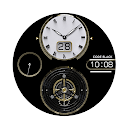


SamWatch Classic W is a premium analog watch face for Wear OS devices, offering a traditional aesthetic with integrated heart rate complications.
The App DNA
What makes this app unique?
Users choose SamWatch Classic W to replace standard digital interfaces with a more sophisticated, watch-like appearance on their wrist-worn hardware.
For Galaxy Watch and Wear OS users seeking premium analog-style watch faces.
What does it look like?
Key features
Visual interface combining traditional analog aesthetics with digital Wear OS functionality.
Bundled mobile application providing installation guides and troubleshooting for Wear OS devices.
How much does it cost?
Paid model anchored at $1.49, requiring One UI 6.0 or above for compatibility.
Velocity
Dormant developmentopaqueShow more...
The app shows no established release cadence, with only one version recorded in the observed data. Given the lack of historical data to establish a pattern of updates, the development status is classified as zombie. There is no evidence of active feature development or live operations support.
Who built it?
Samtree
13+ apps tracked · Personalization
 SamWatch Simple G 4
 SamWatch Doodle Weather
 SamWatch Big C
 SamWatch Military K 2024
 SamWatch Digital Space 2024
 SamWatch PointColor 47
 SamWatch Doodle Weather 2
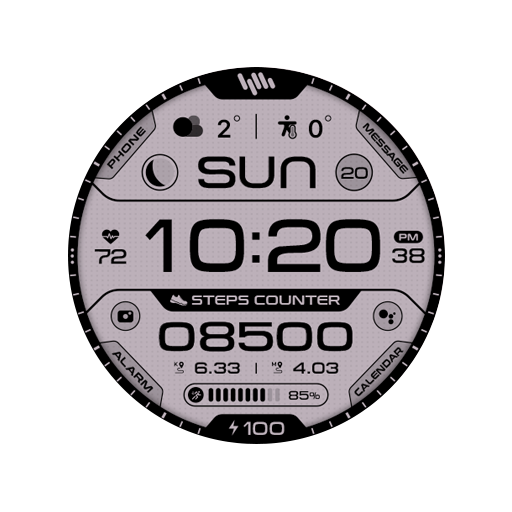 SamWatch Digital V 2
 SamWatch Doodle Weather 5
 SamWatch Color Metal B
 SamWatch Analog Maat
 SamWatch InfoBlock 3 WX 2025
User Sentiment
What do users think recently?
How are ratings & reviews evolving?
Not enough recent reviews to extract reliable themes yet.
Read the full review analysisCompetition
Competitive landscape for SamWatch Classic W
How's the Personalization market?
SamWatch Classic W competes in the personalization category, currently ranking #140 in Top Paid overall in Korea. The lack of recent updates compared to peers with active release cadences signals a potential decline in visibility against more dynamic rivals.
Read the market outlookThe rivals identified
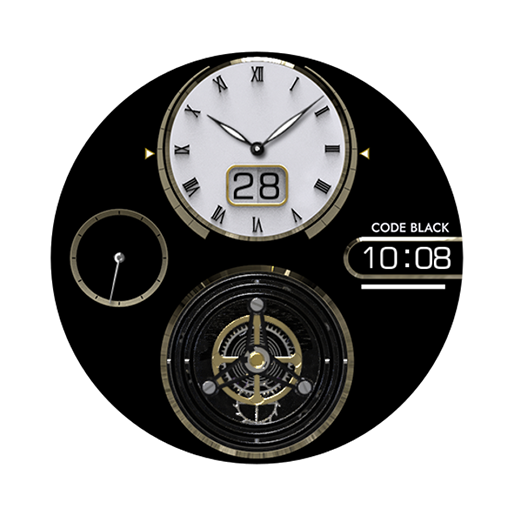
By AIwatch
This app directly competes for the premium analog watch face market on Wear OS, targeting users who prioritize high-end aesthetic customization and technical watch face features.
- Offers advanced gyroscope-based animations that provide a more dynamic, interactive visual experience than static designs.
- Provides deeper granular control over individual dial and hand elements compared to our standard analog layout.
 PW19 Analog Watch FaceContender
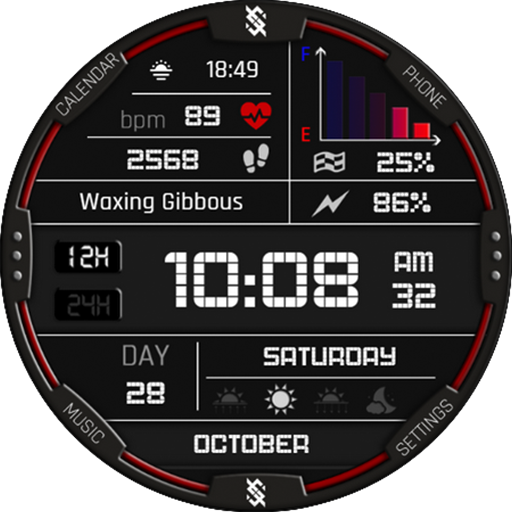 BFF3- Digital: ColorfullContender
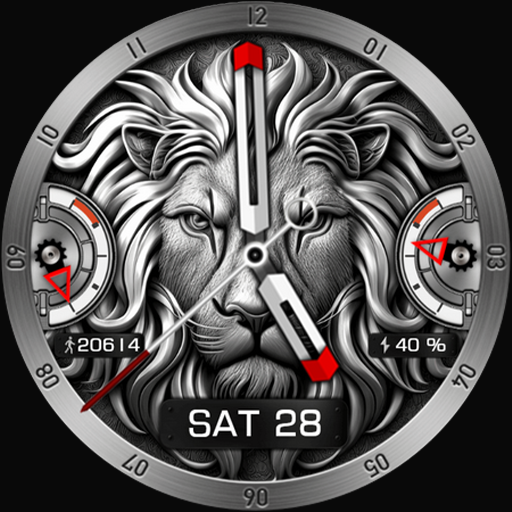 Metal Lion Watch FaceContender
 Animated Curves Watch FaceContender
Unlock the head-to-head verdict: where this rival wins, and where it loses.
Access the full report for freeThe Analyst's Read
Key takeaways for SamWatch Classic W
Where is it heading?
The personalization category is consolidating around watch faces that offer high utility alongside aesthetics. SamWatch Classic W remains exposed due to its static feature set and lack of recent updates, which will likely lead to a continued slide in chart rankings as competitors iterate on shortcuts and complications.
- The 139-day update silence allows rivals with active release cadences to dominate search rankings and capture new user interest.
The SWOT
- Premium analog design language appeals to traditional watch enthusiasts
- Strict optimization for One UI 6.0 ensures performance on newer Galaxy devices
- Localized pricing in the Korean market could capture price-sensitive users
- Integration of customizable shortcuts would bridge the utility gap with rivals
Next best moves
Ship user-defined app shortcuts because rivals like AI Code Black F use them to drive utility → increase daily active usage
The counter-intuitive read
The lack of updates is not just a maintenance failure…
Read the full takeFeature gaps
User-defined app shortcuts (available in AI Code Black F but absent here)
Since the last report: The competitive outlook for SamWatch Classic W has declined from stable to declining, primarily due to a 139-day update silence that has eroded its visibility against rivals with active release cadences. The product now faces a direct rivalry with AI Code Black F, which captures market share by offering the functional shortcuts this app lacks.
Bottom line
Implementing user-defined shortcuts would transform SamWatch Classic W from a static aesthetic choice into a functional daily tool. This pivot addresses the primary utility gap identified in the competitive landscape, unlocking retention among power users currently favoring more interactive rivals.
Unlock 2 critical frictions, 2 market threats and the analyst’s take.
Access the full report for freeFAQ
Is SamWatch Classic W compatible with all Wear OS watches?
How does SamWatch Classic W compare to AI Code Black F?
What should I do if the watch face fails to install?
Are there free alternatives to SamWatch Classic W?
Sources
- [1] Play Store listing, source
Report last updated