




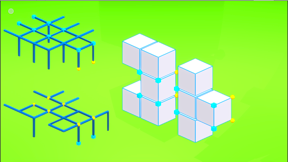


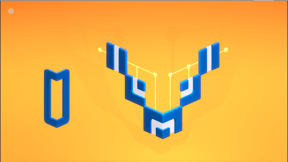

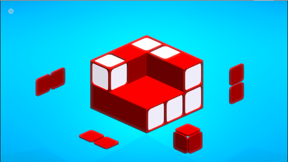
Scalak is a minimalist logic puzzle game for adults, focused on shape-matching and zen-like relaxation on iOS and Android.
The App DNA
What makes this app unique?
Users hire Scalak for a low-stakes, ad-free mental escape that avoids the interruption-heavy design of standard casual puzzle games.
For Adults seeking minimalist, low-stress, and meditative puzzle experiences for relaxation and time-killing.
What does it look like?
Key features
Structured sequence of shape-matching puzzles with increasing difficulty
Soothing soundscapes designed to accompany puzzle solving
Shape rotation and pattern matching puzzles requiring logical deduction
High-quality (HQ) toggle in the menu to reduce power consumption
How much does it cost?
The app utilizes a low-cost, one-time purchase model without IAPs or ads, positioning it as a premium, distraction-free experience.
Velocity
Dormant developmentnew contentShow more...
Development momentum is classified as zombie status due to the extreme infrequency of updates. The latest release in February 2026 is the first activity since June 2018, indicating a lack of consistent maintenance or feature development. There is no evidence of a recurring release cadence or live operations strategy. The long-term inactivity suggests the app is not being actively supported.
Who built it?
Michal Pawlowski
5 apps tracked · Games
 Zenge
Zenge "OXXO"
 Art Of Gravity
 MAZAICA Lines & Numbers Game
User Sentiment
What do users think recently?
The recent review mood reads thrilled. Users appreciate satisfying puzzle mechanics provide a relaxing brain exercise without inducing frustration for casual players and one-time purchase model without intrusive advertisements or microtransactions creates a premium user experience, but report lack of sufficient content depth leaves players wanting more levels after completing the initial set.
How are ratings & reviews evolving?
What users say, by theme
- Satisfying puzzle mechanics provide a relaxing brain exercise without inducing frustration for casual players
- One-time purchase model without intrusive advertisements or microtransactions creates a premium user experience
- Minimalist visual design and soothing audio create a cohesive and immersive atmosphere for players
- Lack of sufficient content depth leaves players wanting more levels after completing the initial set
99 of 99 recent reviews analyzed · high confidence · Thrilled overall
Read the full review analysisUnlock 2 more frustration themes and 3 user requests, each backed by review evidence.
Access the full report for freeCompetition
Competitive landscape for Scalak
How's the Games market?
Scalak maintains a stable presence in the top 40 paid puzzle charts across multiple regions, anchored by a premium $0.99-$1.99 price point. This positioning avoids the ad-monetization churn prevalent in the category, though the lack of IAP-based live-ops limits its grossing rank relative to its discovery advantage.
Read the market outlookThe rivals identified

By GOODROID,Inc.
Both apps target the minimalist puzzle audience with spatial logic mechanics, creating direct competition for time-share among users seeking meditative, low-stress gameplay.
- Scalak provides a premium, ad-free experience, whereas CubeAway relies on ad-supported hint systems that users report as broken.
- Scalak maintains a higher user satisfaction rating of 4.75, compared to CubeAway's 4.32 rating impacted by technical bugs.
 Arrows – Puzzle EscapeContender
 Slices: Relax Puzzle GameContender
 Arrow Escape: Logic PuzzleContender
 Inertix – Minimalist PuzzleContender
 Crowns - Logic puzzle gameContender
 Plant with CareContender
Unlock the head-to-head verdict: where this rival wins, and where it loses.
Access the full report for freeThe Analyst's Read
Key takeaways for Scalak
Where is it heading?
The minimalist puzzle market is increasingly dominated by titles with high-frequency content drops and live-ops, which puts Scalak's static 90-level model at a disadvantage. Unless the team shifts to a recurring content strategy, the app will likely remain a niche, one-time-purchase title that struggles to retain players beyond the initial completion window.
- The lack of content updates beyond the initial 90 levels accelerates player churn, which limits the app's ability to compete with high-frequency content rivals.
- High user satisfaction scores confirm that the premium, ad-free model remains a strong differentiator for the core target audience.
- Recent updates focused on stability and achievement integration, signaling a maintenance-heavy posture rather than an aggressive expansion phase.
The SWOT
- Premium ad-free model sustains high user satisfaction
- Zen-focused audio-visual design creates a distinct brand identity
- Low-friction entry barrier for casual puzzle solvers
- Expansion of level library to increase lifetime value
- Implementation of left-handed UI toggle for accessibility
- Addition of a clear restart button for efficient puzzle resets
Next best moves
Ship mid-level save functionality because it is a top-requested feature → reduce churn for long-session players
+ 2 more prioritized movesThe counter-intuitive read
The app's lack of live-ops is not a…
Read the full takeFeature gaps
Narrative-driven level design (available in Monument Valley but absent here) +2
Since the last report: The app moved from a dormant state to a maintenance phase with new achievements, while user feedback surfaced critical technical and content-depth limitations.
Bottom line
Scalak succeeds as a premium, ad-free puzzle experience, but its limited content volume and lack of save states create a retention ceiling. The PM should prioritize content expansion and technical stability to defend the user base against high-frequency content updates from competitors.
Unlock 3 critical frictions, 3 market threats, 2 more prioritized moves and the analyst’s take.
Access the full report for freeReport last updated