


Seaboard 5D
By ROLI
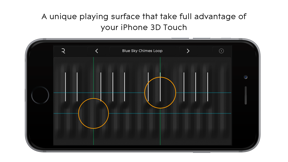
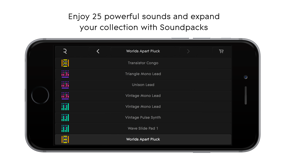
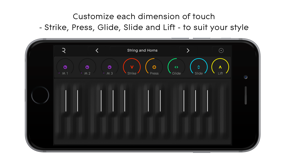
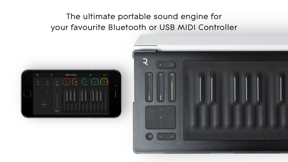

Seaboard 5D is a touch-responsive musical instrument and MIDI sound engine for iOS and Android devices.
The App DNA
What makes this app unique?
Musicians hire the app for expressive, hardware-like sound modulation on a mobile device, though the lack of studio integration forces them to look for alternatives for professional recording.
For Musicians and music producers seeking expressive, touch-responsive digital instruments for mobile performance and MIDI control.
What does it look like?
Key features
Surface interaction via Strike, Glide, Slide, Press, and Lift gestures on touch-responsive keywaves
Multidimensional Polyphonic Expression support for plug-and-play integration with MPE-compatible MIDI controllers
In-app purchase of additional sound libraries like Hybrid Acoustic and Expressive Electronic
How much does it cost?
Freemium model uses the app as a low-friction entry point to the ROLI hardware ecosystem, monetizing through content-specific IAP.
Velocity
Steady developmentShow more...
Who built it?


User Sentiment
What do users think recently?
The recent review mood reads frustrated. Users appreciate high-fidelity sound quality provides an immersive experience for professional musicians and hobbyists alike.
How are ratings & reviews evolving?
What users say, by theme
- High-fidelity sound quality provides an immersive experience for professional musicians and hobbyists alike
- Lack of inter-app communication protocols prevents integration with standard mobile music production workflows
49 of 49 recent reviews analyzed · high confidence · Frustrated overall
Read the full review analysisUnlock 1 user request, each backed by review evidence.
Access the full report for freeCompetition
Competitive landscape for Seaboard 5D
How's the Music market?
Seaboard 5D maintains a niche presence in the Music category, but its 3.39 rating across 124 reviews indicates significant friction compared to pro-grade alternatives. The lack of recent feature updates relative to competitors like GeoShred suggests the app is currently in maintenance mode.
The rivals identified

By Wizdom Music LLC
GeoShred is the market leader for MPE-based expressive performance on iOS, directly overlapping with Seaboard 5D's core value proposition of touch-responsive instrument control.
- Features a sophisticated physical modeling engine that simulates real-world instrument resonance and string physics.
- Provides a deep, programmable MPE-compatible interface that allows for complex sound design beyond simple touch gestures.
- Maintains a consistent update cycle that ensures compatibility with the latest iOS audio standards and hardware.


Unlock the head-to-head verdict: where this rival wins, and where it loses.
Access the full report for freeThe Analyst's Read
Key takeaways for Seaboard 5D
Where is it heading?
The mobile music production market is consolidating around apps that function as integrated studio hubs, leaving standalone instruments like Seaboard 5D increasingly isolated. Without a pivot toward professional routing and stability, the app will continue to lose its prosumer base to more versatile competitors.
- Bluetooth connectivity failures cause crashes during hardware pairing, which erodes trust with the core prosumer user base.
- Lack of inter-app audio routing prevents integration with production workflows, forcing users to migrate to more capable competitors.
The SWOT
- Proprietary MPE interaction model creates high switching costs
- ROLI hardware ecosystem integration drives brand loyalty
- Implement standard audio routing protocols to capture professional studio workflows
- Expand B2B partnerships via MPE-compatible controller integration
Next best moves
Ship inter-app audio routing because user sentiment flags it as the #1 professional barrier → unlock studio-workflow adoption.
+ 1 more prioritized moveThe counter-intuitive read
The app's maintenance-mode status is actually a strategic…
Read the full takeFeature gaps
Physical modeling engine (available in GeoShred) +2
Since the last report: The app has shifted to a freemium maintenance model, with user sentiment declining due to persistent technical instability and a lack of professional audio routing.
Bottom line
Seaboard 5D holds a unique position through its MPE-based touch interface, but the lack of professional audio routing and persistent Bluetooth instability limits its utility, so the PM must prioritize connectivity to prevent the app from becoming a static toy.
Unlock 3 critical frictions, 2 market threats, 1 more prioritized move and the analyst’s take.
Access the full report for freeReport last updated