





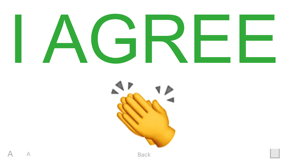


Sign App is a utility tool for creating and displaying static text signs on mobile devices.
The App DNA
What makes this app unique?
Users hire this app for immediate, low-friction visual communication in public settings where voice is insufficient.
For Users requiring quick visual communication tools or mobile document signing capabilities.
What does it look like?
Key features
Full-screen text rendering for mobile devices to communicate messages in public settings
Electronic signature capture for documents on mobile devices
How much does it cost?
The app operates as a free utility with no observable in-app purchases or subscription tiers.
Velocity
Dormant developmentopaqueShow more...
The development of Sign App has been dormant for an extended period. The most recent release on Android occurred in April 2026, but the platform history shows a massive gap in activity, with the previous iOS update dating back to November 2017. There is no evidence of ongoing feature development, live operations, or maintenance cycles. The app is classified as a zombie due to the lack of consistent release activity over the last several years.
Who built it?
User Sentiment
What do users think recently?
The recent review mood reads excited. Users appreciate minimalist design and small file size provide high utility for quick messaging needs.
How are ratings & reviews evolving?
What users say, by theme
- Minimalist design and small file size provide high utility for quick messaging needs
- Application crashes during text entry disrupt the core utility for mobile users
12 of 12 recent reviews analyzed · moderate confidence · Excited overall
Read the full review analysisUnlock 1 user request, each backed by review evidence.
Access the full report for freeCompetition
Competitive landscape for Sign App
How's the Entertainment market?
Sign App maintains a niche utility position with a 3.7-star rating across 32 total ratings. The lack of recent updates on iOS since 2017 suggests a maintenance-only posture relative to active competitors.
Read the market outlookThe rivals identified
Unlock the deeper market read.
Access the full report for freeThe Analyst's Read
Key takeaways for Sign App
Where is it heading?
The casual utility market is consolidating around apps that offer dynamic visual content, leaving static tools like Sign App vulnerable. Stability is the immediate gatekeeper for survival, as the current crash rate prevents the app from competing on feature parity.
- Frequent crashes during text entry create a high churn risk, which compounds the negative sentiment already present in user reviews.
- The recent Android release indicates a renewed interest in expanding the user base beyond the legacy iOS audience.
The SWOT
- Minimalist design footprint sustains high utility for quick messaging needs
- Print functionality integration could expand the utility of created signs
Next best moves
Rebuild text entry logic because crash-on-input is the top complaint → stabilize retention.
The counter-intuitive read
The app's lack of monetization is a strategic advantage…
Read the full takeFeature gaps
Scenic background library (available in Good Morning-!) +1
Since the last report: The product strategy shifted from a sunset-focused maintenance posture to an active stabilization effort, driven by the identification of critical input crashes as the primary barrier to retention.
Bottom line
Sign App provides high-utility static signage, but persistent input crashes erode user trust, so the PM must prioritize stability fixes to prevent further churn.
Unlock 1 critical friction, 1 market threat and the analyst’s take.
Access the full report for freeReport last updated