



SugarSync is a cross-platform cloud storage and file synchronization service for individuals and business teams on iOS and Android.
The App DNA
What makes this app unique?
The service removes the friction of manual file transfers across disparate devices by automating cloud-based synchronization and providing granular data recovery tools.
For Individuals and business teams requiring cross-platform file synchronization and remote data management.
What does it look like?
Key features
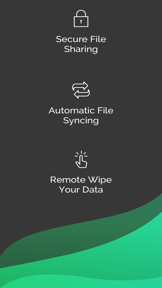
Roll back folder state to a previous date to recover files.
Remove synchronized files from specific devices in case of loss.
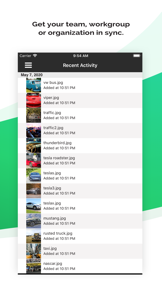
Syncs folders across multiple devices with real-time updates.
How much does it cost?
Subscription model anchored by storage capacity with a 30-day free trial.
Velocity
Dormant developmentopaqueShow more...
SugarSync shows no development activity for over a year and a half, with the most recent release occurring on October 5, 2024. Given the lack of updates since that time, the app is classified as a zombie project. There is no evidence of ongoing feature development, maintenance, or live operations.
Who built it?
User Sentiment
What do users think recently?
How are ratings & reviews evolving?
Not enough recent reviews to extract reliable themes yet.
Read the full review analysisCompetition
Competitive landscape for SugarSync
How's the Productivity market?
SugarSync occupies a professional-grade niche in the productivity category, though its lack of updates since 2024 limits its ability to compete with modern, feature-rich rivals. The service maintains a 3.33 rating on Android, reflecting a stable but aging user base.
Read the market outlookThe rivals identified

By Beijing Xiaoxiong Bowang Technology Co., Ltd.
ES File Explorer competes directly with SugarSync by offering comprehensive local and cloud file management, targeting the same power-user demographic that requires granular control over file organization and cross-device synchronization.
- Offers deep local file system management and root access which SugarSync lacks entirely
- Includes integrated media playback and archive support, functioning as an all-in-one file utility
- Boasts a massive install base and high review volume, creating a strong network effect
 ownCloud - File Sync and ShareContender
 Infomaniak SwissTransferContender
 IntralinksContender
 IBM MaaS360 DocsContender
Unlock the head-to-head verdict: where this rival wins, and where it loses.
Access the full report for freeThe Analyst's Read
Key takeaways for SugarSync
Where is it heading?
The cloud storage market is consolidating around providers that integrate AI-driven organization and local-first processing. SugarSync's current maintenance-only posture leaves it exposed to churn as users migrate to services that offer better automation and active feature support.
- The 19-month release gap indicates a lack of active investment, which erodes competitive standing against rivals shipping monthly updates.
The SWOT
- Protected Folders recovery mechanism provides a defensible barrier against basic cloud-sync rivals
- Privacy-conscious segment remains underserved by US-based providers
Next best moves
Audit current sync infrastructure because the 19-month release gap risks platform compatibility → maintain baseline reliability
The counter-intuitive read
SugarSync's maintenance-mode status is its primary risk…
Read the full takeFeature gaps
AI-driven file categorization (available in AI Cloud Storage Secure Backup but absent here) +1
Since the last report: SugarSync has transitioned to a declining outlook as the 19-month development gap confirms a sunset-mode trajectory. The product focus has narrowed from growth-oriented pivots to basic maintenance of the core sync engine for existing business users.
Bottom line
The lack of development since 2024 suggests the product is in sunset mode, and maintaining the core sync engine is the only way to retain existing business subscribers.
Unlock 1 critical friction, 1 market threat and the analyst’s take.
Access the full report for freeFAQ
Is SugarSync suitable for business teams?
How does SugarSync compare to ES File Explorer?
What is a privacy-focused alternative to SugarSync?
Does SugarSync offer a free trial?
Sources
Report last updated