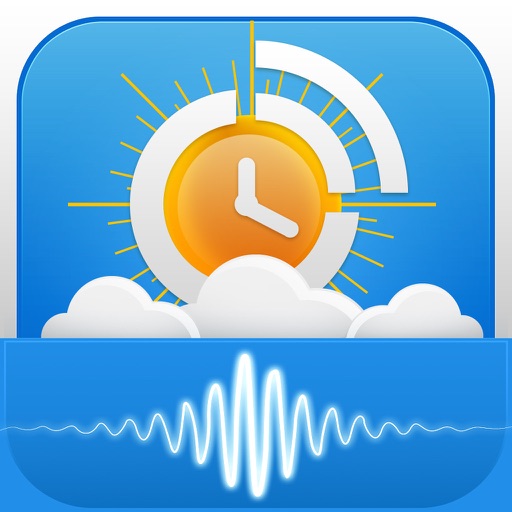


The Relax Clock is a lifestyle utility for iOS that displays minimalist time and animated backgrounds on TV screens.
The App DNA
What makes this app unique?
Users hire this app for low-friction, aesthetic environmental design during meditation or work, avoiding the social or spiritual overhead of competing wellness platforms.
For Users seeking minimalist, aesthetic, and functional clock displays for home or office environments, specifically for meditation and relaxation.
What does it look like?
Key features
High-quality visual loops for TV display. Revenue link: Visual aesthetic value drives initial $1.99 purchase conversion.
Curated audio tracks including rainfall and ocean waves. Revenue link: Audio-visual pairing increases session length and reinforces product utility for meditation.
User-defined background selection and volume adjustment. Revenue link: Personalization controls increase user satisfaction and reduce immediate post-purchase churn.
How much does it cost?
Paid model at $1.99 price point captures value through upfront transaction rather than recurring subscription.
Velocity
Dormant developmentopaqueShow more...
The app has not received a single update since its launch on November 13, 2023. With no release activity for over 31 months, the development momentum is classified as zombie. There is no evidence of ongoing maintenance, feature development, or live operations.
Who built it?
i4islam
13+ apps tracked · Lifestyle
 Ar CrossWord - كلمات متقاطعة
 ElaSalaty: PrayerTimes & Qibla
 AlKetab – Modern Quran App
 SC Memories Importer
 لوحة مفاتيح كيبورد كاميليون
 بيان - القرآن الكريم
 التطبيقات الإسلامية
 Foodogenic - AI Food Photos
 Mus'haf | مصحف آي-فون إسلام
 Phonegram - Tech News & Tools
 Voice-Over AI | Text To Speech
 Clock Chime - Time is passing
User Sentiment
What do users think recently?
How are ratings & reviews evolving?
Not enough recent reviews to extract reliable themes yet.
Read the full review analysisCompetition
Competitive landscape for The Relax Clock
How's the Lifestyle market?
The Relax Clock occupies a niche utility space within the Lifestyle category, relying on a $1.99 one-time purchase model that contrasts with the subscription-heavy wellness market. Its focus on passive TV-based ambient utility differentiates it from the high-frequency, notification-driven engagement models of its primary nemesis.
Read the market outlookThe rivals identified

By Armando Jimenez
Both apps target the lifestyle wellness market by providing daily, passive, and calming content to improve user mental state. They compete for the same 'mindful moment' attention span of users seeking spiritual or aesthetic tranquility.
- Offers high-frequency daily engagement through push-based angel messages, whereas target relies on passive background viewing.
- Leverages a massive review volume of 347 ratings to build social proof and trust in the wellness category.
- Includes home screen widgets that keep the brand top-of-mind without requiring the user to open the app.
 GonnaBe : Daily Cosmic RitualContender
 Daily Sip Tea RitualsContender
 小小节奏师 - cyber烧香连点器 手机音游 手表应用Contender
Unlock the head-to-head verdict: where this rival wins, and where it loses.
Access the full report for freeThe Analyst's Read
Key takeaways for The Relax Clock
Where is it heading?
The lifestyle wellness market is consolidating around high-frequency, habit-forming rituals that keep users returning daily. The Relax Clock's current static utility positioning leaves it exposed to these competitors, so the PM must introduce a recurring engagement mechanism to prevent long-term user attrition.
- Lack of daily engagement loops allows ritual-based competitors to capture the 'mindful moment' attention span, accelerating churn pressure into the next quarter.
The SWOT
- Minimalist aesthetic-first utility avoids polarizing spiritual content
- TV-first design optimizes for living room relaxation environments
- B2B partnerships for office lobby displays
- Wearable companion app integration
Next best moves
Ship daily 'quote of the day' feature because it is the top missing retention lever compared to nemesis apps → increase session frequency
The counter-intuitive read
The app's lack of a subscription model is…
Read the full takeFeature gaps
Daily notification-driven content (available in Divine but missing here) +1
Since the last report: The app's competitive position remains stagnant, but the intelligence focus has shifted to highlight the critical vulnerability of lacking daily retention loops compared to ritual-based wellness competitors.
Bottom line
The Relax Clock provides a clean, aesthetic utility for ambient relaxation, but its lack of a daily engagement loop makes it vulnerable to habit-forming wellness apps, so the PM should prioritize adding a 'daily quote' or ritual feature to increase stickiness.
Unlock 3 critical frictions, 2 market threats and the analyst’s take.
Access the full report for freeSources
Report last updated