


3 Minute Games
For fans of narrative-driven sci-fi and horror who value immersive gameplay that fits into short, frequent breaks throughout the day.
 Lifeline: Whiteout


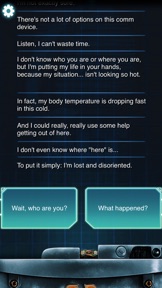



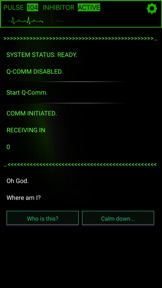






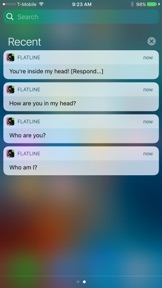


Snapshot
Who is 3 Minute Games?
Delivering immersive, real-time interactive fiction that integrates with daily life through notification-based storytelling.
Target audience


Portfolio
Last updated

Lifeline: Whiteout
v1.0.4
10y ago
Publisher DNA
What defines 3 Minute Games?
Publisher DNA
Primary focus
Interactive fiction and text-based survival games
Scale
indie
Target audience
Fans of narrative-driven sci-fi and horror who value immersive gameplay that fits into short, frequent breaks throughout the day.
Signature Patterns
- •Premium 'pay-once' monetization model across the entire portfolio
- •Heavy reliance on real-time system notifications as a primary gameplay mechanic
- •Branching narrative structures with high-stakes survival outcomes
- •Cross-device optimization specifically targeting Apple Watch and lock-screen interactions
Portfolio momentum
The publisher has resumed active development with 2 releases in the last 6 months, ending a period of maintenance for their legacy titles.
Portfolio
What does 3 Minute Games ship?
Apps
9 apps analysed

Analysis in progress


Analysis in progress

Analysis in progress
Distributed across 7 markets, strongest in Europe.
Based on 2 of 9 apps with localized market data, more coverage rolling in as scans complete · last scanned .
Americas (2)
- United States2 / 2
- Mexico1 / 2
Europe (3)
- France2 / 2
- Germany2 / 2
- Spain1 / 2
Asia-Pacific (2)
- Japan2 / 2
- South Korea2 / 2
Core markets (2/2 apps)
Rivals
Who does 3 Minute Games compete with?
The rivals identified
Nemeses(3)

Both titles compete for the interactive fiction audience by utilizing direct, text-based communication between the player and a stranded protagonist in a survival scenario.


Both apps compete for the same interactive fiction audience by offering branching narrative experiences that rely on player-driven choices.


Both apps compete for the same interactive fiction audience by using text-based thriller narratives that rely on decision-making to influence character survival.
Contenders(8)


Both titles target the interactive fiction market with premium, text-based gameplay models, competing for the same time-constrained narrative gaming audience.


Provides a focused, text-only interactive romance experience similar to the source narrative-first approach.


Both titles target the interactive fiction audience through text-based choice mechanics, competing for time in the narrative-driven mobile gaming segment.


Mirrors the real-time, chat-based narrative structure used to simulate communication with a protagonist in the source.


Both titles target the interactive fiction market by utilizing branching narrative structures and text-based gameplay mechanics.


Both apps utilize real-time notification-based chat mechanics to deliver interactive fiction, directly competing for the same time-sensitive reader demographic.


Both apps target the interactive fiction market by using real-time, chat-based narrative mechanics to simulate communication with a character. They compete directly for users seeking immersive, text-driven storytelling experiences.


Both apps target the interactive fiction market by offering branching sci-fi narratives that rely on player choice to drive the plot.
Same space(30)


Uses a simulated phone interface to deliver mystery investigations, sharing the immersive, character-focused storytelling of the source.


Shifts the interactive fiction experience from text input to voice-guided navigation.


Uses a chat-style interface similar to the source but focuses on mystery and relationship dynamics.


Shares the interactive fiction space but scales through a massive user-generated content library rather than the curated, professional writing found in the source.


Targets the same narrative-driven audience but utilizes a high-frequency, ad-supported monetization model.


Expands the text adventure genre into a cozy, spooky simulation with open-world exploration.


Provides a generative, user-defined interactive fiction experience.


Replaces static branching narratives with an infinite, AI-native generation engine for open-ended roleplay.


Choice of Life: Middle Ages 2 uses card-based mechanics to deliver a branching narrative experience similar to the Lifeline series.


Offers similar choice-based narrative paths but focuses on life simulation tropes like romance and social status.


It targets the same narrative mystery audience but uses traditional point-and-click mechanics.


Lacuna targets the same sci-fi mystery audience as Lifeline but uses a noir-inspired detective narrative structure.


Offers a daily, bite-sized interactive fiction experience that contrasts with the source app's continuous narrative.


Uses a hard-capped escape limit to create scarcity pressure in a survival horror context.


Simplifies the branching narrative into a card-swipe mechanic focused on balancing resource management.


Offers a multiplayer horror experience with proximity voice chat, contrasting with the source app's solitary text-based focus.


Adventure Escape provides a puzzle-focused variation of the sci-fi mystery setting found in the Lifeline series.


Shares the text-heavy interactive format but focuses on romance rather than horror.


This app competes for the same asynchronous attention as Lifeline by using persistent, character-driven text interactions that evolve over time.


Uses tactile and notification-based mechanics to create psychological horror, similar to the source app's focus on immersion.


Offers a static, medieval-themed narrative role-playing experience.


Focuses on survival horror mechanics where player timing is critical to avoiding monster encounters.


Space Age shares the sci-fi exploration theme of Lifeline but uses a graphical, retro-futuristic aesthetic.


Blends cinematic visuals with choice-driven gameplay for an interactive movie experience.


Utilizes on-device AI to generate unique adventures without requiring an internet connection.


Provides a social, cooperative alternative to the single-player isolation found in the source app.


Targets the interactive romance audience with a choice-based path system.


It shares the narrative-driven survival focus but adds rogue-lite mechanics and resource management.


Targets the RPG audience with dynamic, AI-driven fantasy storytelling that mimics tabletop experiences.


ZARYA-1 STATION directly mirrors the real-time communication and sci-fi survival narrative found in the Lifeline series.
New entrants(4)


Lunovia uses AI to create dynamic, memory-retaining characters that evolve based on player choices, similar to Lifeline's interactive fiction.


It targets the same text-driven narrative audience by focusing on political crisis management.


Focuses on cinematic drama through interactive scenarios that place the player in a lead role.


It provides a library of text adventures that mirrors the classic, button-free interactive fiction experience.
The Analyst's Read
The bottom line on 3 Minute Games
Bottom line
3 Minute Games is a highly specialized studio that owns the notification-based narrative niche. Their recent shipping activity suggests they are successfully transitioning their legacy IP into a sustainable, modern release cycle.
Frequently asked questions
How many apps does 3 Minute Games publish?
What kind of apps does 3 Minute Games make?
What is 3 Minute Games's top app?
In how many countries are 3 Minute Games's apps available?
What fed this analysis
- Apps analyzed:
- 5
- With full intel:
- 1
- With overview:
- 5
- Website scraped:
- yes
- Social presence:
- yes
