

BEESPEAKER AB
 BeeSpeaker Learn English




Publisher DNA
What defines BEESPEAKER AB?
AI intelligence is not yet available for BEESPEAKER AB. The portfolio data below is up to date.
Portfolio
What does BEESPEAKER AB ship?
Apps
2 apps analysed
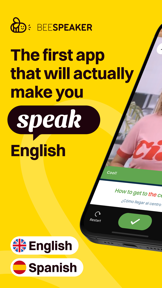
English & Spanish learning app | Speaking & pronunciation practice | AI language


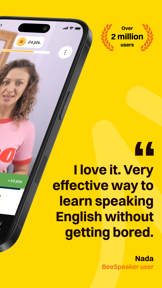
Gamified streaks sustain daily active usage metrics
- Flashcard-style review sessions allow users to practice past learnings effectively before moving to new lessons
- Technical bugs in the speech recognition engine cause frustration during pronunciation practice sessions

English & Spanish learning app | Speaking & pronunciation practice | AI language

Analysis in progress
Distributed across 12 markets, strongest in Europe.
Based on 2 of 2 apps with localized market data · last scanned .
Americas (3)
- United States2 / 2
- Brazil1 / 2
- Mexico1 / 2
Europe (7)
- France1 / 2
- Germany1 / 2
- Italy1 / 2
- Netherlands1 / 2
- Portugal1 / 2
›+2 more europe markets
- Spain1 / 2
- Sweden1 / 2
Asia-Pacific (2)
- Japan1 / 2
- South Korea1 / 2
Core markets (2/2 apps)
User Sentiment
How do users feel about their apps?
1
Positive apps
0
Neutral / mixed
0
Negative apps
82/100
Avg sentiment score
Rivals
Who does BEESPEAKER AB compete with?
The rivals identified
Nemeses(2)

Both apps target language learners using AI-driven voice feedback, competing for the same user base seeking conversational fluency over traditional grammar drills.


Both apps target the language-learning market through AI-driven speaking practice and free-to-use models, directly competing for users seeking conversational fluency.
Contenders(17)


Both apps target language learners with freemium models and gamified progression, competing for daily active usage through habit-forming mechanics.


Both apps target users seeking AI-driven speaking practice for English, directly competing for the same audience via free-to-use AI conversation models.


Both applications target language learners by utilizing AI-driven conversational practice as the primary mechanism for fluency development.


Both apps target language learners seeking conversational fluency, with BeeSpeaker focusing on AI voice feedback and Babbel on expert-designed, short-form interactive lessons.


Both apps target language learners seeking conversational fluency, competing for the same daily active usage through gamified lessons and speaking practice.


Both apps target English and Spanish learners through AI-powered voice feedback and conversation practice. They compete directly for users seeking to improve speaking fluency via mobile-first, interactive lessons.


Both apps target language learners through gamified mobile interfaces, competing for the same daily active user time within the education category.


Both apps utilize AI-powered speech recognition to target English learners, competing directly for users focused on improving verbal fluency and pronunciation.


Both applications target language learners through AI-driven speaking practice, creating direct competition for users seeking real-time conversational feedback.


Both apps target English fluency through AI-driven voice interaction, competing for users seeking on-demand speaking practice.


Both apps target English learners via AI-powered voice interaction, competing for the same user base seeking conversational fluency without traditional textbook methods.


Pingo AI serves as a direct conversational alternative for users seeking real-time speaking practice with an AI companion.


Both apps target language learners seeking conversational fluency through AI-driven interaction, creating direct competition for users prioritizing speaking practice over traditional grammar drills.


Both apps target the same language learner demographic, but they compete through fundamentally different mechanisms: BeeSpeaker uses AI-driven gamification while Preply relies on a human-led marketplace.


Both apps target language learners through AI-driven voice interaction, competing for the same user base seeking conversational fluency over traditional grammar drills.


Both apps target the language speaking practice segment by utilizing AI tutors to facilitate conversational fluency for users.


Both apps target users seeking to overcome speaking anxiety through AI-driven conversation practice and real-time feedback. They share a free-to-use model and focus on spoken fluency rather than passive vocabulary acquisition.
Same space(5)


Babbel targets the professional-intent segment that BeeSpeaker might lose if users require structured, expert-led curriculum.


Ling provides a broader language library for users who need access to over 70 dialects beyond English and Spanish.


WRD focuses on vocabulary-specific memory imprinting, serving as a specialized companion for users needing faster word acquisition.


This utility app serves as a reference tool for learners who need immediate text or image translation while studying with BeeSpeaker.


This app functions as a supplementary vocabulary tool that integrates movie scenes for contextual learning.
