


ClinCalc
For healthcare professionals including intensivists, pharmacists, and physicians, as well as students preparing for clinical practice or board exams.
 ICU Trials by ClinCalc


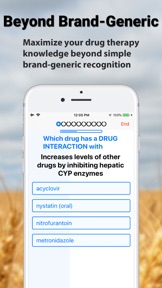


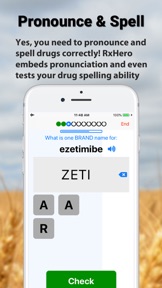


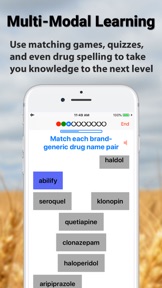
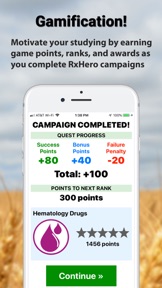
Snapshot
Who is ClinCalc?
Providing evidence-based clinical decision support and pharmacology education tools for healthcare professionals and students.
Target audience


Portfolio
Last updated

ICU Trials by ClinCalc
v2023.2
3.1y ago
Publisher DNA
What defines ClinCalc?
Publisher DNA
Primary focus
Clinical decision support and medical education tools
Scale
indie
Target audience
Healthcare professionals including intensivists, pharmacists, and physicians, as well as students preparing for clinical practice or board exams.
Origin
ClinCalc was designed for clinicians seeking to utilize and understand the most recent evidence-based medicine to improve patient care.
Signature Patterns
- •Exclusively focused on the Medical category
- •Consistent use of a paid monetization model across the entire portfolio
- •Emphasis on evidence-based content and clinical trial data
- •Utilization of adaptive learning and flashcard mechanics for educational titles
Portfolio momentum
The publisher maintains a legacy portfolio with one release in the last six months and 20% of the catalog currently classified as active.
Portfolio
What does ClinCalc ship?
Apps
5 apps analysed

Ad-free professional UX
- Content Quality and Utility
- Lack of Feature Updates


Gamification milestones reduce churn via clear progress markers
- Leitner adaptive learning system provides a measurable study path
Single-market publisher, every app ships only to United States.
Based on 4 of 5 apps with localized market data, more coverage rolling in as scans complete · last scanned .
Americas (1)
- United States4 / 4
Core markets (4/4 apps)
User Sentiment
How do users feel about their apps?
1
Positive apps
0
Neutral / mixed
0
Negative apps
88/100
Avg sentiment score
Rivals
Who does ClinCalc compete with?
The rivals identified
Nemeses(2)

Both apps target clinicians performing cardiovascular risk assessments. The ESC app competes by offering a broader suite of calculators, such as SCORE2 and SMART, compared to the singular ASCVD focus of RapidASCVD.


Both apps target critical care clinicians with bedside reference tools, creating direct competition for the same professional user base.
Contenders(19)


Both applications target clinicians performing cardiovascular risk assessments, creating direct competition for the same professional workflow.


Both apps provide cardiovascular risk assessment tools for clinicians, targeting the same medical professional user base.


Both apps target clinical professionals seeking rapid access to medical guidance, though they serve distinct environments: ICU-based landmark trials versus prehospital JRCALC guidelines.


Both apps target critical care clinicians and provide bedside reference materials, creating direct competition for the same professional user's attention during clinical shifts.


Both apps target healthcare professionals seeking clinical decision support, creating a direct conflict for the user's time and attention during bedside care.


Both apps target critical care clinicians with bedside resources, creating direct competition for the same professional's limited attention during clinical shifts.


Both applications target cardiovascular risk assessment using patient input parameters, competing for the same user base seeking rapid clinical or personal health calculations.


Both apps target clinicians for cardiovascular decision support, creating a direct overlap in the clinical workflow for patient risk assessment.


Both apps target ICU clinicians seeking quick clinical knowledge, competing for the same time-constrained professional audience through reference-based content.


Both apps target clinical staff requiring point-of-care reference material, creating direct competition for bedside decision-making time.


Both apps calculate 10-year cardiac infarction risk using patient-reported variables like cholesterol and blood pressure. They compete for the same user base seeking cardiovascular risk estimates.


Both apps target medical professionals needing rapid access to landmark clinical trials, competing for the same time-constrained clinical reference use case.


Both apps target cardiovascular health, but RapidASCVD focuses on clinical risk calculation while Heart Risk Calculator focuses on patient-reported family history documentation.


Both apps target clinicians with the same primary function: ASCVD risk calculation using pooled cohort equations.


Both apps target critical care clinicians seeking bedside reference material, creating direct competition for the same professional time and attention.


Both apps target clinicians performing cardiovascular risk assessments, creating direct competition for the same professional user base.


Both apps target critical care clinicians with clinical reference material, creating direct competition for bedside decision-making utility.


Both apps target clinicians for cardiovascular risk assessment, creating direct competition for the same professional user base.


Both apps target clinicians seeking clinical trial evidence for bedside decision-making, creating direct competition for professional time and attention.
Same space(9)


360 Critical Care addresses the educational needs of the same ICU trainee audience by offering structured exam preparation and mentorship.


This app offers an alternative risk calculation methodology based on the Framingham study, targeting the same cardiovascular risk assessment segment.


Provides a comprehensive medical knowledge base that competes for the same professional study time as RxHero.


Case Files: Critical Care targets the same ICU professional demographic but focuses on interactive, case-based learning rather than static trial summaries.


While focused on nursing boards rather than pharmacology, it serves the same professional education market with high-frequency gamified testing.


Clinical Research Trials acts as a broader search tool for the same medical research domain, though it lacks the curated expert commentary of the source app.


MDCalc provides a broad clinical decision support library that competes with the specialized focus of RapidASCVD for the same clinician audience.


Dominates the medication domain by focusing on patient adherence, creating a different but overlapping utility for drug knowledge.


EchoRef serves the same critical care clinician audience by providing specialized ultrasound and hemodynamic calculations that complement the trial summaries found in ICU Trials.
New entrants(2)


Critical Care IQ serves the same clinical decision support space by allowing organizations to digitize their specific protocols and medication formularies.


Shows high release velocity and focuses on the professional communication layer of the medical workflow.
The Analyst's Read
The bottom line on ClinCalc
Bottom line
ClinCalc is a specialized medical publisher that prioritizes clinical utility and evidence-based accuracy over broad consumer reach. Their disciplined focus on the professional medical niche and paid-only monetization reflects a high-intent value proposition for individual healthcare practitioners.
Frequently asked questions
How many apps does ClinCalc publish?
What kind of apps does ClinCalc make?
What is ClinCalc's top app?
In how many countries are ClinCalc's apps available?
What fed this analysis
- Apps analyzed:
- 5
- With full intel:
- 1
- With overview:
- 5
- Website scraped:
- yes
- Social presence:
- no