


CREATIVE KNOWLEDGE (BEIJING)
For preschool and primary school-aged children, their parents, and language learners seeking structured, graded reading materials.
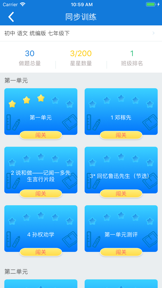
 WaWaYaYa爱读家-AI伴读-阅读马拉松

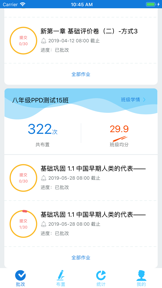

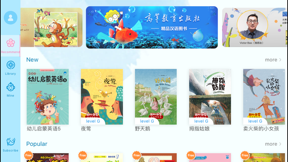


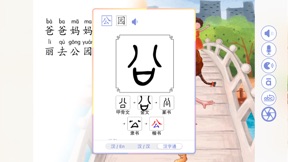


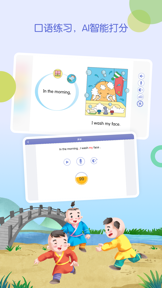
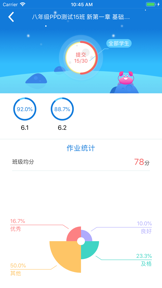
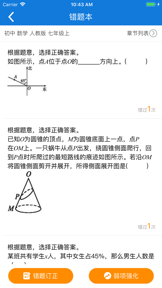


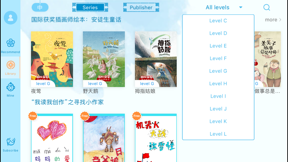


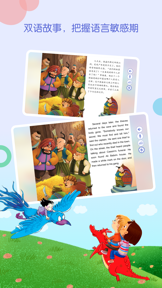
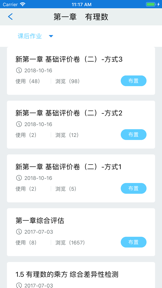


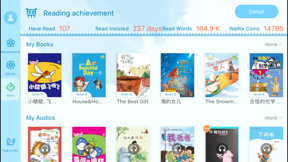


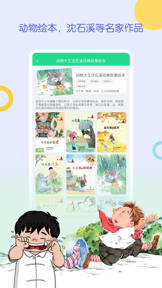

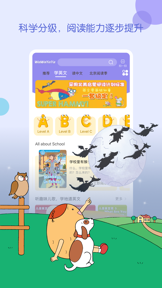
Snapshot
Who is CREATIVE KNOWLEDGE (BEIJING)?
Supporting bilingual literacy for children through interactive digital reading platforms. Providing multimedia tools for language acquisition.
Target audience


Portfolio
Free 7Last updated

WaWaYaYa爱读家-AI伴读-阅读马拉松
v4.6.2
1y ago
Publisher DNA
What defines CREATIVE KNOWLEDGE (BEIJING)?
Publisher DNA
Primary focus
Educational software for bilingual literacy and language learning
Scale
indie
Target audience
Preschool and primary school-aged children, their parents, and language learners seeking structured, graded reading materials.
Signature Patterns
- •Heavy reliance on freemium and free-to-access pricing models
- •Integration of AI-driven pronunciation and character recognition tools
- •Focus on graded reading libraries for language acquisition
- •Multimedia-heavy interface including audio-visual learning modules
Portfolio momentum
Released 4 updates across 7 apps in the last 6 months, indicating a steady maintenance and development cycle.
Portfolio
What does CREATIVE KNOWLEDGE (BEIJING) ship?
Apps
7 apps analysed


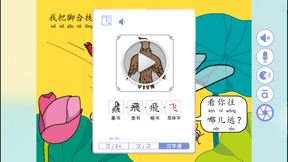
Learn Chinese, learn Chinese characters, and speak Mandarin, right here at JoyReader! WaWaYaYa JoyReader Pro-focus more on Chinese learning


Rivals
Who does CREATIVE KNOWLEDGE (BEIJING) compete with?
The rivals identified
Nemeses(1)


Both apps target Mandarin Chinese learners using AI-driven tools, competing directly for users seeking structured language acquisition through interactive reading and speech assessment.
Contenders(3)


Both apps target language learners through daily exercises and reading comprehension tools, creating direct competition for users seeking structured language acquisition.


Both apps target language learners using AI-driven interactive tools, competing for the same time-share in the language acquisition market.


Both apps target language learners using graded reading materials and interactive tools to build vocabulary and comprehension. They compete for the same user base of self-directed students seeking alternatives to traditional textbooks.
Same space(20)


Users report: Targets early education and language learning for children, using voice-based AI tutoring instead of the source app's reading-centric approach.


Expands language learning with cognitive training, differing from the source app's focus on Chinese reading proficiency.


Targets language learners preparing for exams or interviews, differing from the source app's focus on graded reading for general acquisition.


Provides an AI-powered language coach for general language acquisition, differing from the source app's specific focus on Chinese graded readings.


Offers a general language learning program, differing from the source app's specialized Chinese reading library.


Provides an AI-powered tutor for language fluency, contrasting with the source app's focus on graded reading materials.


Users report: Provides a digital library for children, sharing the source app's reading focus but targeting a broader age range and general literacy.


Uses AI-driven conversation scenarios for language practice, contrasting with the source app's reading-based Chinese curriculum.


Focuses on English speaking practice with AI virtual teachers, differing from the source app's reading-based Chinese curriculum.


Uses entertainment media for language acquisition, contrasting with the source app's structured graded reading library.


Integrates news-based reading for Japanese learners, sharing the source app's reading focus but targeting a different language and proficiency level.


Offers structured daily lessons across 41 languages, providing a broader but less specialized Chinese reading focus than the source app.


Provides vocabulary training for German schoolbooks, contrasting with the source app's focus on Chinese graded reading.


Targets the same language learning market but focuses on real-time conversational AI rather than the graded reading library found in the source app.


Serves the same language learning audience by using AI avatars for conversational practice instead of the graded reading focus of the source app.


Focuses on Japanese reading through illustrated stories, sharing the source app's reading-centric approach but targeting a different language.


Focuses on active speaking fluency through AI, providing a different engagement loop than the source app's reading-based approach.


Offers AI-powered conversational practice for language learners, providing a more active speaking focus than the source app's reading library.


Focuses on English speaking practice with AI, serving a similar language-learning demographic but with a different target language and format.


Provides quick vocabulary building through movie scenes, contrasting with the source app's long-form graded reading library.
New entrants(2)


Replaces passive lessons with real-time speaking practice, differing from the source app's reading-based approach.


Offers AI-powered speaking practice for language learners, contrasting with the source app's focus on reading.
The Analyst's Read
The bottom line on CREATIVE KNOWLEDGE (BEIJING)
Bottom line
Creative Knowledge (Beijing) Ltd is a niche educational publisher with a strong product-market fit in the bilingual literacy space. Their ability to maintain high-rated, content-rich platforms suggests a sustainable, albeit specialized, position in the education app market.
Frequently asked questions
How many apps does CREATIVE KNOWLEDGE (BEIJING) publish?
What kind of apps does CREATIVE KNOWLEDGE (BEIJING) make?
What is CREATIVE KNOWLEDGE (BEIJING)'s top app?
What fed this analysis
- Apps analyzed:
- 7
- With full intel:
- 0
- With overview:
- 7
- Website scraped:
- yes
- Social presence:
- no
