Curable
 Curable: Chronic Pain Relief




Publisher DNA
What defines Curable?
AI intelligence is not yet available for Curable. The portfolio data below is up to date.
Portfolio
What does Curable ship?
Apps
2 apps analysed

Somatic tracking exercises function as a core retention loop for immediate pain relief.
- Neuroplasticity-based pain management techniques provide tangible relief for users suffering from chronic conditions
- Aggressive subscription models and lack of transparent pricing frustrate users during the initial trial phase
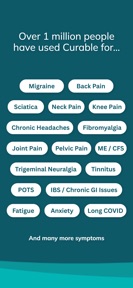
Clinically proven to help you heal from back pain, migraine, and more


Analysis in progress
Single-market publisher, every app ships only to United States.
Based on 1 of 2 apps with localized market data, more coverage rolling in as scans complete · last scanned .
Americas (1)
- United States1 / 1
Core markets (1/1 apps)
User Sentiment
How do users feel about their apps?
0
Positive apps
1
Neutral / mixed
0
Negative apps
45/100
Avg sentiment score
Rivals
Who does Curable compete with?
The rivals identified
Nemeses(1)

Both apps target chronic pain management through psychology-based frameworks that address the overprotective pain system. They compete for the same audience seeking non-pharmacological recovery tools for persistent back pain.
Contenders(2)


Both apps target chronic pain patients using neuroscience-based recovery tools and clinical research from Stanford and the Mayo Clinic.


Supports users in managing unpredictable chronic symptoms through daily tracking and flare management.
Same space(25)


Auralog provides a low-friction migraine tracking experience that complements the recovery tools found in Curable.


Provides a science-based tracking platform for chronic pain that helps users identify flare-up triggers.


CEFALY provides a hardware-integrated management tool for migraine patients that tracks treatment efficacy.


Provides AI-powered trigger identification that helps users understand their environmental context while using management programs.


Back Pain Relief provides a library of stretching videos that serve as a physical rehabilitation utility.


OCD.app targets the same mental health-conscious audience as Curable but focuses on managing intrusive thoughts rather than physical pain.


Relief AI serves the same migraine-sufferer segment but prioritizes rapid, low-friction logging during acute pain episodes.


Manage My Pain provides a data-centric tracking tool for chronic conditions that complements Curable's biopsychosocial recovery model.


Migraine Trail targets the same chronic pain demographic but uses voice-activated logging to bypass screen-sensitivity issues.


Uses nervous system science to address chronic pain, mirroring the focus on neural retraining.


MiG provides a symptom-tracking utility for migraine patients that functions as a data-collection companion to Curable's recovery program.


Quell Fibromyalgia provides a hardware-locked control interface for chronic pain management, serving a niche medical segment.


Uses AI to link pain intensity and lifestyle data, providing insights for users managing chronic conditions.


Pathways offers a similar brain-retraining approach to chronic pain as Curable, focusing on pain science education.


Focuses on low-friction logging for migraine attacks, serving as a data collection tool for users.


MigrAid provides a simplified tracking interface for migraine sufferers to log triggers and generate reports.


Reveri offers a similar clinical-alternative approach to pain management but utilizes self-hypnosis rather than Curable's somatic tracking.


Back Doctor serves as a specialized rehabilitation utility that provides professional-grade exercise routines for spinal pain.


Migraine Monitor provides a clinical tracking bridge between patients and neurologists, serving as a diagnostic aid for chronic sufferers.


Back Pain Relief - Exercises offers a static library of routines for back pain management, similar to Curable's exercise components.


Prehab provides digital physical therapy that serves as a lower-cost alternative to in-person rehabilitation for chronic pain.


Supports users in managing unpredictable chronic symptoms through daily tracking and flare management.


Pain Coach provides evidence-based behavioral tools for veterans managing chronic pain, similar to Curable's psychological focus.


ViViRA provides a structured exercise program for back pain that acts as a digital alternative to physical therapy.


Migraine Buddy serves the same chronic pain demographic but focuses on clinical data logging for medical consultations rather than neuroplasticity-based recovery.
New entrants(2)


Fibro provides an AI-driven tracking tool for fibromyalgia patients to manage symptoms and report data to clinicians.


Low Back Ability provides a structured training roadmap for back pain, focusing on physical rebuilding rather than neuroplasticity.