EMEDIA INTERACTIVE
For medical students, healthcare professionals, and educators, alongside general users seeking offline productivity and video editing tools.
 Pocket Anatomy


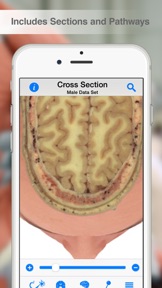
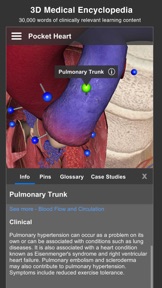


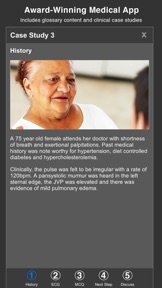


Snapshot
Who is EMEDIA INTERACTIVE?
Providing specialized 3D anatomical reference tools for medical professionals and educators. Enabling offline, high-fidelity visualization of human systems.
Target audience


Portfolio
Free 11Last updated

Pocket Anatomy
v3.2
6mo ago
Publisher DNA
What defines EMEDIA INTERACTIVE?
Publisher DNA
Primary focus
Medical education software and utility tools
Scale
studio
Target audience
Medical students, healthcare professionals, and educators, alongside general users seeking offline productivity and video editing tools.
Signature Patterns
- •Heavy reliance on 3D visualization and interactive modeling for educational content
- •Strong emphasis on offline functionality across both medical and productivity apps
- •Freemium and paid pricing models tailored to professional and educational use cases
- •Recent expansion into AI-driven productivity and video editing utilities
Portfolio momentum
Released 10 updates across 12 apps in the last 6 months, demonstrating a high-frequency development cycle across both legacy and new titles.
Portfolio
What does EMEDIA INTERACTIVE ship?
Apps
12 apps analysed


Smart shopping list, quick notes & budget tracker for grocery and market.


Rivals
Who does EMEDIA INTERACTIVE compete with?
The rivals identified
Nemeses(1)

Both apps target medical students and professionals with 3D anatomical visualization tools, creating direct competition for study time and user acquisition.
Contenders(9)


Both apps target medical students and professionals with 3D anatomical visualization tools, creating direct competition for study time and professional reference usage.


Both apps target medical students and healthcare professionals seeking portable clinical reference tools, creating direct competition for study time and device storage. The overlap in user base forces a choice between Pocket Brain's anatomical visualization and the rival's clinical reference articles.


Both apps target medical students and professionals with 3D anatomical visualization, creating direct competition for study time and reference utility.


Both apps target users seeking brain anatomy visualization, with Pocket Brain charging a fee while 3D Brain offers free access to clinical case studies.


Both apps target medical students and professionals with interactive 3D anatomical models, creating direct competition for users seeking portable study references.


Both apps target medical students and professionals for anatomical reference, creating direct competition for study and clinical utility.


Both apps target medical students and professionals, competing for the same study time and wallet share within the neurology education category.


Both apps target medical students and professionals with 3D anatomical models and interactive quizzes, creating direct competition for study time and device space.


Both apps target medical professionals and students with 3D neuroanatomy training tools, creating direct competition for study time and device storage.
Same space(19)


Provides clinical decision support for neurology, using voice-enabled natural language queries to assist clinicians.


Assists medical professionals in performing neurological assessments, providing a digital repository of examination tests.


Guides physicians through stroke treatment decisions, acting as a specialized clinical tool for stroke activation.


Manages conference logistics for neurology professionals, focusing on event navigation rather than anatomical education.


Shifts focus from anatomical visualization to quiz-based mastery for medical students.


Offers a broader scope of physiology and conditions compared to Pocket Brain's focus on brain anatomy.


Provides a comprehensive 3D virtual model of the human body, acting as a broader alternative to Pocket Brain's brain-specific focus.


Supports clinical decision-making for neurosurgeons, providing rapid access to scoring and classification systems.


Facilitates patient communication for neurosurgery, focusing on pre-operative and post-operative care management.


Targets beginner healthcare students with 500 anatomical structures, serving as an entry-level alternative to Pocket Brain's advanced 3D models.


Provides literature-based evidence for neurosurgery, serving as a professional reference for clinical practice.


Focuses on radiology education by providing CT scan anatomy, complementing Pocket Brain's 3D model with real-world imaging.


Supports neurology professionals with clinical data, serving as a specialized reference for daily practice.


Provides clinical decision support for emergency medicine professionals, serving as a point-of-care reference rather than an educational study tool.


Acts as a portable reference for rounds, helping students answer clinical questions during neurology rotations.


Functions as a study and revision resource for clinical neurology, targeting students and junior doctors.


Assesses cognitive and sensory functions through behavioral brain mapping, complementing anatomical knowledge with functional assessment.


Offers evidence-based clinical guidance for critical care subspecialties, providing a reference tool for practitioners rather than students.


Serves as a primary reference for medical students, creating high switching costs for academic institutions via specialized 3D asset libraries.
The Analyst's Read
The bottom line on EMEDIA INTERACTIVE
Bottom line
The publisher is successfully transitioning from a niche medical education developer into a broader utility-focused studio. Their ability to maintain high-quality anatomical models while rapidly iterating on new productivity tools suggests a versatile development team.
Frequently asked questions
How many apps does EMEDIA INTERACTIVE publish?
What kind of apps does EMEDIA INTERACTIVE make?
What is EMEDIA INTERACTIVE's top app?
What fed this analysis
- Apps analyzed:
- 12
- With full intel:
- 0
- With overview:
- 12
- Website scraped:
- yes
- Social presence:
- no