


EUIHYUNG JUNG
For individuals seeking distraction-free, aesthetic tools for time management, habit building, and stress reduction who prefer one-time purchases over subscriptions.
 DayGram - One Line a Day Diary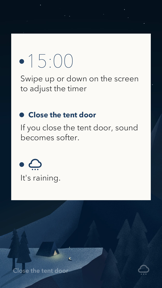









Snapshot
Who is EUIHYUNG JUNG?
Developing minimalist, design-centric utilities that leverage unique physical interactions and aesthetic simplicity to improve daily focus and wellness.
Target audience


Portfolio
Free 5Last updated

DayGram - One Line a Day Diary
v5.6.7
5mo ago
Publisher DNA
What defines EUIHYUNG JUNG?
Publisher DNA
Primary focus
Minimalist productivity and wellness utilities
Scale
indie
Target audience
Individuals seeking distraction-free, aesthetic tools for time management, habit building, and stress reduction who prefer one-time purchases over subscriptions.
Signature Patterns
- •Consistent paid-upfront monetization model across all portfolio titles.
- •Minimalist, distraction-free UI design often inspired by E-ink or character-driven aesthetics.
- •Focus on single-purpose utility apps (breathing, Pomodoro, meal logging) rather than multi-feature platforms.
- •High maintenance frequency with multiple updates per app within a 6-month window.
Portfolio momentum
The publisher maintains an exceptionally high update cadence with 38 releases across 5 active apps in the last 6 months, including a major release within the last 10 days.
Portfolio
What does EUIHYUNG JUNG ship?
Apps
22 apps analysed

Atmospheric audio differentiates the user experience
- Character-driven aesthetic creates a distinct brand identity


Analysis in progress

Analysis in progress
Distributed across 8 markets, strongest in Asia-Pacific.
Based on 5 of 22 apps with localized market data, more coverage rolling in as scans complete · last scanned .
Americas (3)
- United States5 / 5
- Brazil1 / 5
- Mexico1 / 5
Europe (3)
- Germany2 / 5
- Portugal1 / 5
- Spain1 / 5
Asia-Pacific (2)
- Japan5 / 5
- South Korea5 / 5
Core markets (5/5 apps)
User Sentiment
How do users feel about their apps?
1
Positive apps
0
Neutral / mixed
0
Negative apps
85/100
Avg sentiment score
Rivals
Who does EUIHYUNG JUNG compete with?
The rivals identified
Nemeses(5)

Focuses on habit-building programs that complement Flink's task-based daily planning.


Both apps utilize the Pomodoro technique to manage work intervals, competing for users seeking structured focus tools. Focus Keeper captures a broader audience through its freemium model and specific positioning for ADHD-related productivity.


Both apps target productivity-focused users seeking daily task management, with Structured capturing the same audience through a visual timeline and calendar integration.


EMMO competes directly by offering a highly visual, mood-centric journaling experience that captures the same minimalist, aesthetic-focused demographic as DayGram.


Both apps target users seeking stress management and sleep improvement, though BetterSleep utilizes soundscapes while kipkam focuses on guided breathing exercises.
Contenders(44)


Both apps target productivity-focused users seeking minimalist task management, but Floret captures a broader audience by bundling wellness tracking and diary features into a free model.


Both apps compete for the same time-management segment on iOS, targeting users who utilize the Pomodoro technique to maintain focus.


Supplements Flink's task management with automated health data tracking and habit streaks.


Onrise expands the focus timer into a broader habit-tracking and journaling tool for users seeking behavior design.


Offers active guidance for routines, serving as a functional companion for users who find Flink's passive planning insufficient for habit execution.


Targets the privacy-conscious segment that might find Flink's potential data usage opaque.


Focus Traveller competes for the same productivity-focused audience by offering a social, group-based timer that contrasts with the solitary, physical-interaction model of Bear Focus Timer.


Both apps target students and professionals using the Pomodoro technique to manage work intervals. They compete directly for the same productivity-focused user segment.


Both apps target the productivity segment using Pomodoro-style intervals, competing for users seeking minimalist time-management tools.


Both apps target users seeking anxiety and stress relief, creating direct competition for the same user intent despite different feature sets.


Both apps compete for the same habit-tracking audience, but they diverge on core mechanics: Bear Good Habits uses gamification and mascot-led interfaces, while Days Since focuses on minimalist, time-based counters.


Both apps target productivity-focused individuals, but TickTick captures users seeking an all-in-one workflow while Flink targets those prioritizing a minimalist, distraction-free interface.


Both apps target users seeking stress management and anxiety reduction through guided breathing, competing for the same time-constrained user base.


Both apps target users seeking anxiety and panic relief, with Dare offering a broader training program while kipkam focuses on short-duration breathing exercises.


Both apps target users seeking stress and anxiety management, creating direct competition for the same user intent despite differing feature sets.


Both apps compete for the same productivity-focused audience by using distinct gamification themes to enforce work sessions. They overlap in the pomodoro timer category, forcing a choice between physical interaction and system-level integration.


Both apps target individuals managing daily productivity and personal habits, creating direct competition for users seeking structured routine planning.


Both apps target the Pomodoro productivity segment, competing for users seeking structured time-management tools to maintain focus.


Both apps target daily task management and scheduling, competing for the same productivity-focused user base despite differing approaches to input methods.


Both apps target users seeking habit tracking, but Evoday captures a larger audience through a freemium model and higher-rated widget integration.


Both apps target the Pomodoro productivity segment, competing for users seeking time-management tools via white noise integration and interval-based focus sessions.


Both applications target individuals managing productivity via interval-based work sessions, competing directly for the same time-management user base.


Both apps target users seeking stress management through guided breathing exercises, competing directly for the same audience segment via paid utility models.


Both apps target productivity-focused users needing task management, but Todoist captures the professional segment via cross-platform sync while Flink targets minimalist aesthetic preferences.


DailyLife targets the same journaling audience by providing a structured, daily-prompt-based approach to personal record-keeping.


RESPIRA competes for the same stress-management audience by offering guided breathing exercises, though it adds psychoacoustic soundscapes and breath-hold training absent in the minimalist kipkam.


Both apps target the habit tracking market, but Everyday captures a broader audience through a free, cross-platform model that contrasts with the paid, mascot-led gamification of Bear Good Habits.


Both apps target users managing daily habits, but Strides captures a larger audience through a freemium model and diverse tracking methodologies.


This app competes by emphasizing security and privacy features, appealing to users who prioritize data protection for their journals.


Both apps target the daily planning market by offering minimalist task management tools for users who prefer structured, bullet-style organization.


Both apps target users seeking minimalist task management, with Super To-Do's capturing a larger audience through free pricing and native Apple integration.


Both apps target users seeking gamified habit formation, competing for the same audience through mascot-based engagement mechanics.


Diarly competes by offering a premium, cross-platform journaling experience with advanced formatting and organization tools.


Both apps compete for the same productivity-focused user base by utilizing Pomodoro-style intervals. Focus - Deep Work Timer captures a larger audience through its free pricing model and cross-device availability.


Both apps target minimalist task management, but Mindlist captures a larger audience through a free-to-use model and iCloud synchronization.


Both apps target the sleep and relaxation market, competing for the same user intent of improving sleep quality and stress management.


Both apps target users seeking stress management through guided breathing exercises, creating direct competition for the same health-conscious demographic.


Both apps target users seeking stress reduction and sleep improvement, creating a direct overlap in the wellness and relaxation category.


Both apps compete for the same productivity-focused audience by applying gamification to the Pomodoro technique. They overlap directly in the time-management utility category.


Both apps target users seeking minimalist task management, but Do! captures a larger audience through a free-to-use model and broader feature set.


Both apps target users seeking simple stress management tools, with direct overlap in guided breathing functionality and minimalist design.


Both apps target minimalist task management, competing for users seeking distraction-free planning tools through a simplified interface.


Both apps target users seeking structured daily planning, with Flink focusing on minimalist aesthetics and Tiimo on neurodivergent-friendly AI scheduling.


This app serves as a direct alternative for users seeking a simple, password-protected digital diary experience.
Same space(70)


Flora uses social accountability to drive focus, appealing to the same productivity-seeking audience as the source app.


Focus Friend uses virtual pet mechanics to provide emotional incentive for focus, similar to the gamified elements in the source app.


Forest competes for the same user attention by turning focus sessions into virtual tree planting with a high-retention gamification loop.

known for Focus To-Do: Focus Timer&Tasks
Focus To-Do integrates task management with the Pomodoro technique to provide a more functional workflow for professional users.


Focus Plant converts focus sessions into world-building resources, providing a tangible incentive for users struggling with phone addiction.


Study Bunny offers a broader productivity suite including flashcards and to-do lists for users needing more than a timer.


Emphasis focuses on a gentle, rhythm-based approach to deep work that avoids the pressure of gamified rewards.


Focustown Deep Work offers a one-time purchase model for a town-building gamification loop, appealing to users who dislike subscriptions.


Big Clock serves as a utility for time management, focusing on display rather than habit logging.


Focuses on constant white noise for sleep, providing a simpler, single-purpose alternative to kipkam's guided sessions.


This app competes for the user's daily attention span within the lifestyle and self-improvement category.


DailyBean provides a visual, icon-based alternative for habit and mood logging that avoids long-form writing.


Offers a broad content library that functions as a long-term habit-building alternative to kipkam's short-duration focus.


Offers practical anxiety management tools that provide a broader scope of mental health support than kipkam.


Shares Flink's minimalist design language for task management.

known for
My Diary serves the same daily documentation habit as Otter but shifts the focus from food intake to general life reflection.


Sumi targets the same minimalist productivity segment but enforces focus through a strict penalty system.


Provides a simple task and habit management workspace that mirrors Flink's minimalist philosophy.


Combines visual and auditory stimuli for mindfulness, providing a more immersive experience than kipkam's minimalist interface.


Offers ambient soundscapes with visual elements, serving as a mood-setting tool for kipkam users.


Provides a cozy, animated environment for immediate stress relief, offering a more visual and interactive sanctuary than kipkam.


Offers granular control over breath cycles, appealing to users who find kipkam's 1-minute sessions too restrictive.


Focus Train uses a travel-themed gamification loop to provide an immersive escape from distraction during focus sessions.


Provides AI-generated soundscapes that complement kipkam's breathing sessions by creating a personalized auditory environment.


Acts as a centralized digital workspace for notes and tasks, overlapping with Flink's organizational utility for power users.


Integrates faith-based content into mindfulness, serving users who prefer spiritual context over kipkam's secular approach.


Extends personal planning to household coordination, serving as a collaborative alternative to Flink's individual-focused design.


Provides high-fidelity nature audio for sleep, acting as a specialized auditory tool alongside kipkam's breathing focus.


Both apps occupy the lifestyle discovery space, though Frip focuses on transactional local experiences while BBL focuses on personal aspiration tracking.


Visus occupies the same 'lifestyle improvement' space by helping users visualize goals and moods through creative collages.


Transitions from simple meditation to clinical mental health support, providing a comprehensive path for users needing more than breathing exercises.


This app serves the same daily-habit-building audience by providing inspiration to complement a journaling routine.


Targets specific tinnitus symptoms with sound therapy, offering a medical-adjacent alternative to kipkam's general relaxation.


Uses a large hypnosis library to provide long-form relaxation, contrasting with kipkam's short-duration focus.


Adds social and health-tracking layers to the daily planning routine found in Flink.


Focuses specifically on breath-holding exercises, providing a different physiological approach to breathing than kipkam.


Focuses on professional time tracking, serving as a specialized utility for users who need more than Flink's general task management.


Appeals to the same minimalist user base as Flink while emphasizing data privacy.


Deep Work uses visual time-blocking to help users manage their focus, offering a more structured planning tool than the source app.


Bridges physical and digital planning, appealing to the same user base that values Flink's bullet-style task management.


Pixelio competes for the same daily engagement time as Otter by applying a gamified RPG loop to habit formation.


Provides inspirational quotes to manage stress, serving as a lightweight emotional support tool alongside kipkam.


Focused Work provides structured templates for focus, break, and preparation stages, catering to users who need more planning.


Offers habit-building tools that serve as a lighter alternative to Flink's daily planning.


Targets the lifestyle and personal development sector by providing tangible access to cultural and sports activities for a specific demographic.


Bujo offers a micro-diary approach to habit and mood tracking for users who prefer a bullet journal format.


Shares the aesthetic-focused, personal-tracking utility space, competing directly for the user's screen time regarding life milestones.


Monitors stress via Apple Watch biometrics, serving as a data-driven companion to kipkam's manual breathing exercises.


Integrates journaling and audio recording into a calendar, offering more depth than Flink's daily planner.


Lilo adds a social layer to the focus timer experience, targeting users who find solitary focus sessions isolating.


Provides interactive sensory tools that supplement kipkam's breathing exercises with tactile and auditory feedback.


Merges task management with calendar scheduling, providing a more feature-rich alternative to Flink's minimalist bullet-style planning.


Daylio offers a more granular, icon-based approach to mood and habit tracking for users prioritizing data privacy.


Cat On Chair uses a cozy, aesthetic pet-based gamification loop to encourage focus, appealing to users who prefer non-clinical interfaces.


Focustown uses social multiplayer rooms to create accountability, contrasting with the solitary focus model of the source app.


Progress provides a data-heavy alternative for tracking specific metrics like time or weight.


Targets acute panic and anxiety with immediate, therapist-approved tools, serving as a specialized intervention for kipkam users.


Brainrot targets the digital wellbeing segment with a visual metaphor that nudges users away from distraction.


Goals Wizard expands on habit tracking by offering a structured system for long-term goal planning.


Provides advanced calendar aggregation for users who require more complex scheduling than Flink's minimalist interface.


Provides a creative, template-heavy alternative to Flink's minimalist E-ink aesthetic.


Competes for the same high-intent lifestyle user, positioning itself as the premium, concierge-driven alternative to BBL's manual list-making.


Uses interactive games to drive mindfulness, offering a more active engagement model than kipkam's passive breathing.


Vision Board focuses on the goal-setting aspect of personal growth rather than daily habit tracking.


Deep Work Focus & Flow provides a structured system for distinguishing between deep and shallow work, targeting knowledge workers.


Consolidates email and task management into a single hub, competing for the same daily planning screen time as Flink.


Insight AI targets the self-reflection and personal growth market, overlapping with users who journal for self-discovery.


Combines audio relaxation with sleep tracking, offering a data-centric approach to sleep that kipkam lacks.


Visualizes long-term life planning, providing a different temporal perspective than Flink's daily focus.


Offers a comprehensive digital bullet journaling suite that expands on Flink's basic task list.
New entrants(8)


Lore disrupts the journaling space by turning existing chat history into narrative stories using AI.


Focuses on hands-free breathing guidance, providing a more convenient utility for users who want to avoid screen interaction.


This newcomer targets the family-oriented lifestyle market by automating the creation of a digital family newspaper.


Tomoto provides a minimal, ad-free Pomodoro utility for users who want a distraction-free experience without complex gamification.


Orbital Focus uses a rocket launch metaphor to gamify focus blocks, providing a clear progression path for users.


Targets the 'wishlist' aspect of lifestyle management, focusing on the acquisition of items rather than the experience of events.


Leo shares the photo-based analysis mechanism of Otter but pivots the utility toward pet nutrition rather than human meal tracking.


Represents a shift toward location-based bucket list management, challenging BBL's text-heavy list approach with spatial data.
The Analyst's Read
The bottom line on EUIHYUNG JUNG
Bottom line
Euihyung Jung is a disciplined indie publisher that successfully differentiates in crowded utility categories through superior aesthetic design and premium positioning. Their high update velocity and consistent 4.28★ weighted rating suggest strong product-market fit among users fatigued by subscription-based productivity tools.
Frequently asked questions
How many apps does EUIHYUNG JUNG publish?
What kind of apps does EUIHYUNG JUNG make?
What is EUIHYUNG JUNG's top app?
In how many countries are EUIHYUNG JUNG's apps available?
What fed this analysis
- Apps analyzed:
- 5
- With full intel:
- 1
- With overview:
- 5
- Website scraped:
- yes
- Social presence:
- no
