


Gwyn Durbridge
For productivity-focused users and accessibility seekers, alongside casual gamers interested in strategic board variations.
 Text to Speech!


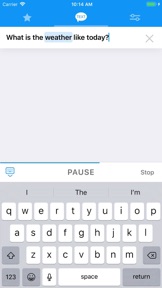

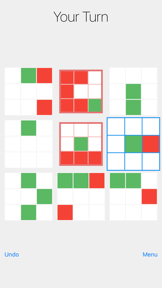


Snapshot
Who is Gwyn Durbridge?
Providing accessible text-to-speech conversion tools for productivity and content creation. Enabling users to transform written text into natural audio across multiple languages.
Target audience


Portfolio
Free 2Last updated

Text to Speech!
v7.7.5
6mo ago
Publisher DNA
What defines Gwyn Durbridge?
Publisher DNA
Primary focus
Text-to-speech productivity tools and casual strategy games
Scale
indie
Target audience
Productivity-focused users and accessibility seekers, alongside casual gamers interested in strategic board variations.
Signature Patterns
- •Heavy reliance on a shared 178-voice, 63-language library for core utility apps
- •Consistent support for offline functionality across productivity titles
- •Mixed monetization strategy ranging from free-to-use to paid and freemium models
- •Focus on high-utility, single-purpose applications
Portfolio momentum
Released 20 updates across 3 apps in the last 6 months, with all titles receiving updates within the last 30 days.
Portfolio
What does Gwyn Durbridge ship?
Apps
3 apps analysed


Single-market publisher, every app ships only to United States.
Based on 1 of 3 apps with localized market data, more coverage rolling in as scans complete · last scanned .
Americas (1)
- United States1 / 1
Core markets (1/1 apps)
Rivals
Who does Gwyn Durbridge compete with?
The rivals identified
Nemeses(1)

Both apps target users needing text-to-speech conversion for productivity, with Speechify capturing a broad audience through a freemium model while Text to Speech Pro offers a paid, offline-focused alternative.
Contenders(10)


Both apps target users needing text-to-audio conversion for productivity and content creation, with Text to Speech Pro focusing on offline synthesis and Voice Clone emphasizing voice cloning and MP3 export.


Both apps target the same productivity and accessibility market by converting text to audio, creating direct competition for users seeking reading efficiency tools.


Both apps compete for users seeking text-to-audio conversion, with the rival specifically capturing students and professionals through PDF-centric reading tools.


Both apps target students and commuters needing document-to-audio conversion, competing directly for the same productivity-focused user base.


Peech competes by offering a free, high-volume alternative that targets the same text-to-audio conversion audience with integrated OCR and web parsing capabilities.


Both apps compete for the same productivity-focused audience by converting documents into audio, though they differ significantly in their monetization and playback architecture.


Both apps target users requiring text-to-audio conversion, with the rival capturing a larger audience through a free pricing model and broader language support.


Both applications target users requiring text-to-speech conversion for documents and books, competing directly for the same accessibility and productivity user base.


Both apps target individuals needing text-to-audio conversion for productivity, with NaturalReader capturing a larger audience through its freemium model and OCR capabilities.


Both apps target users requiring offline text-to-speech conversion, with Sandbook capturing the audience through a free pricing model and direct support for document formats like EPUB and PDF.
Same space(10)


This app targets the same content creator audience as Text to Speech Pro but focuses on recording workflows rather than just synthesis.


This app offers audio-to-text transcription and text-to-speech synthesis, providing a dual-purpose tool for note-taking.


This app complements Text to Speech Pro by offering the inverse functionality of converting audio to text.


This app offers similar text-to-audio conversion functionality but relies on external API integration for voice generation.


This app provides a similar text-to-audio conversion service with added image-to-text extraction capabilities.


This app provides a similar text-to-speech service but adds voice cloning capabilities for personalized audio generation.


This app focuses on translation and voice interaction rather than pure text-to-speech synthesis.


This app combines writing assistance with text-to-speech, targeting users who need help drafting and narrating content.


This app competes in the text-to-speech space by focusing on content creator workflows like video dubbing.


This app serves the same accessibility-focused user base as Text to Speech Pro but adds support for PDFs and textbooks.
New entrants(2)


This app consolidates text-to-speech and speech-to-text into one interface, targeting the same productivity-focused audience.


This app provides a specialized studio for voice cloning and text-to-speech, focusing on content creation.
The Analyst's Read
The bottom line on Gwyn Durbridge
Bottom line
The publisher demonstrates strong product-market fit in the productivity utility space, characterized by high-frequency maintenance and a clear, tiered monetization strategy. Future growth likely depends on whether the recent pivot into casual gaming can achieve the same user engagement levels as their core text-to-speech tools.
Frequently asked questions
How many apps does Gwyn Durbridge publish?
What kind of apps does Gwyn Durbridge make?
What is Gwyn Durbridge's top app?
In how many countries are Gwyn Durbridge's apps available?
What fed this analysis
- Apps analyzed:
- 3
- With full intel:
- 0
- With overview:
- 3
- Website scraped:
- yes
- Social presence:
- no
