

KiraKira Media
 Omoi: Manga Reader
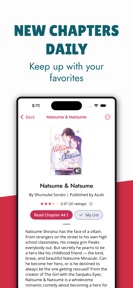


Publisher DNA
What defines KiraKira Media?
AI intelligence is not yet available for KiraKira Media. The portfolio data below is up to date.
Portfolio
What does KiraKira Media ship?
Apps
2 apps analysed
Legal licensing supports manga creators
- The boutique selection of unique and indie manga titles provides a distinct value for dedicated readers
- Offline reading functionality fails to load downloaded chapters, forcing users to rely on active internet connections


Analysis in progress
Single-market publisher, every app ships only to United States.
Based on 1 of 2 apps with localized market data, more coverage rolling in as scans complete · last scanned .
Americas (1)
- United States1 / 1
Core markets (1/1 apps)
User Sentiment
How do users feel about their apps?
0
Positive apps
1
Neutral / mixed
0
Negative apps
55/100
Avg sentiment score
Rivals
Who does KiraKira Media compete with?
The rivals identified
Nemeses(1)

Both apps compete for the same manga and comics reader base by offering freemium access to digital serials, forcing users to navigate complex monetization models to reach content.
Contenders(14)


Both apps compete for the same manga-reading audience by offering freemium access to serialized content, though they diverge on monetization models and content discovery methods.


Both apps target manga readers seeking to organize and consume digital series, creating direct competition for user attention and library management time.


Both apps target the same manga-reading audience with freemium models, but Shimoe offers a broader format scope and functional offline reading that directly challenges Omoi's core retention issues.


Both platforms compete for the same digital reader demographic by offering freemium access to manga and comics, while both struggle to reconcile subscription models with additional per-book purchase requirements.


Both platforms compete for the same manga readership by offering licensed catalogs, but they diverge significantly in monetization strategy: Omoi uses a flat-rate subscription while K MANGA relies on a point-based system.


Both apps compete for the same digital comics and manga reader audience, with Omoi offering a flat-rate subscription model while Lezhin relies on a coin-based microtransaction system.


Both apps compete for the same mobile manga reader demographic through freemium models, forcing a choice between Omoi's curated library and MangaToon's vast, ad-supported catalog.


Panels competes by offering a superior technical reading experience for users who own their own digital files, directly challenging Omoi's reliance on a curated, licensed library that suffers from persistent offline-reading failures.


Both apps compete for the same manga reader audience by offering official, licensed content through subscription models and individual chapter access.


Both apps compete for the same digital comic reader audience by offering subscription-based access to serialized content across multiple genres.


Both apps target the same manga reading audience through freemium models and legal licensing, creating direct competition for user time and subscription revenue.


WebComics competes for the same manga and manhwa reader base by offering a massive library of exclusive original content, directly challenging Omoi's curated, licensed catalog.


Manga Dogs competes by aggregating content from 20+ sources, directly challenging the curated library model of Omoi by offering a broader, free-to-access volume of titles.


Both apps compete for the same manga-reading audience by offering official, licensed digital libraries, though they differ in their focus on indie titles versus global mainstream releases.
Same space(12)


WebNovel targets the same serialized content consumers but operates at a larger scale with a community-driven author matchmaking system.


Crunchyroll competes for the same anime-adjacent audience by bundling manga access into its broader video streaming subscription tiers.


VeVe Comics Reader targets the same visual-media audience but differentiates through digital ownership and interactive AR features.


マンガPark serves as a vertical-specific rival that locks in fans of Hakusensha titles through exclusive content and radio integration.


AniBox acts as a companion tool for the same manga-reading demographic, focusing on tracking and organization rather than content delivery.


Mangas.io provides a direct alternative for manga readers, though it restricts its market to Francophone users through regional licensing.


ComicAI serves the creative side of the manga ecosystem, allowing Omoi readers to transition from consumers to creators.


MangaToon competes for the same general manga audience by offering a broad, genre-diverse library of trending titles.


Manga Reader Pro serves as a direct utility alternative for readers who prioritize unrestricted access over the curated, licensed library of Omoi.


Tapas shares the episodic content focus of Omoi but uses a gamified currency system to drive daily retention among casual readers.


Kobo serves the same reading audience but shifts the value proposition from niche manga to a broad, cross-device library supported by dedicated hardware.


Manta competes for the same romance and fantasy manga readers by using a hybrid subscription model that attempts to balance free access with paid content.
New entrants(2)


Ikigai Mangas acts as a simple discovery and tracking companion for manga readers rather than a primary content hosting platform.


MangaReel provides a workflow tool for the same manga-reading audience who are also content creators needing social media promotion.
