


Komorebi
For general mobile users seeking straightforward, no-frills solutions for daily scheduling, health tracking, and basic utility tasks.
 Notes - Simple notepad, memo


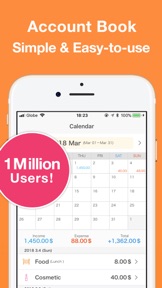


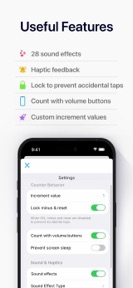


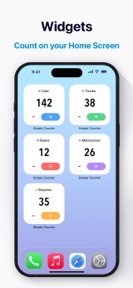


Snapshot
Who is Komorebi?
Providing minimalist, high-utility tools for daily productivity and personal management. Focused on streamlining routine tasks for mobile users.
Target audience


Portfolio
Free 33Last updated

Notes - Simple notepad, memo
v6.7
4mo ago
Publisher DNA
What defines Komorebi?
Publisher DNA
Primary focus
Utility and productivity apps for personal management
Scale
studio
Target audience
General mobile users seeking straightforward, no-frills solutions for daily scheduling, health tracking, and basic utility tasks.
Origin
Founded in 2018, the company has focused on developing simple, accessible services since the early stages of the smartphone market.
Signature Patterns
- •Minimalist, single-screen interface design across all categories
- •Heavy reliance on free-to-use models with transition to freemium
- •Focus on core utility functions like scanning, note-taking, and scheduling
- •High-frequency update cadence to maintain OS compatibility
Portfolio momentum
Released 38 updates across 18 apps in the last 6 months, demonstrating a highly active maintenance and development cycle.
Company profile
medium confidence- Founded
- 2018
Portfolio
What does Komorebi ship?
Apps
35 apps analysed


Offline-first architecture removes connectivity dependencies.
- Tactile feedback mechanism differentiates Counter from generic digital counters.

No-account access removes friction for casual users
- Offline-first architecture enables utility in low-connectivity environments


Distributed across 20 markets, strongest in Europe.
Based on 7 of 35 apps with localized market data, more coverage rolling in as scans complete · last scanned .
Americas (4)
- United States7 / 7
- Brazil5 / 7
- Mexico5 / 7
- Canada3 / 7
Europe (9)
- France5 / 7
- Germany5 / 7
- Italy5 / 7
- Netherlands5 / 7
- Portugal5 / 7
›+4 more europe markets
- Spain5 / 7
- Sweden5 / 7
- Turkey4 / 7
- United Kingdom4 / 7
Asia-Pacific (7)
- Japan5 / 7
- South Korea5 / 7
- Australia4 / 7
- India4 / 7
- Indonesia4 / 7
›+2 more asia-pacific markets
- Singapore4 / 7
- Vietnam4 / 7
Core markets (7/7 apps)
User Sentiment
How do users feel about their apps?
2
Positive apps
0
Neutral / mixed
0
Negative apps
83/100
Avg sentiment score

Rivals
Who does Komorebi compete with?
The rivals identified
Nemeses(3)

Both applications target the decision-making utility market by providing raffle and group randomization tools, creating direct competition for users seeking casual decision-making support.


Both apps target personal finance management, but they diverge on data entry mechanisms: Money Note relies on manual input for privacy, while Monarch uses automated bank aggregation.


Both apps target household grocery coordination, but Our Groceries captures higher engagement through real-time synchronization and recipe-based ingredient imports.
Contenders(26)


Both apps target individuals and groups for random decision-making, competing for the same user base seeking casual raffle and choice-resolution tools.


Both apps occupy the grocery list utility category with free, lightweight interfaces that target users seeking simple task management.


Both apps target individuals managing personal finances, but they diverge on data privacy and automation: Money Note mandates manual entry for privacy, while Bill Tracker Pro utilizes Plaid for automated bank synchronization.


Both apps compete for the grocery utility market, with Bring! targeting multi-person household coordination while Shopping List: Grocery To Do focuses on individual task simplicity.


Both apps target users who prefer manual, non-automated expense tracking over bank-linked alternatives, directly competing for the same privacy-conscious, manual-entry demographic.


Both applications target the grocery management category with free, shared-list functionality and a focus on simplifying household errands.


Both apps target users who prefer manual, privacy-centric expense tracking without bank account integration or mandatory account registration.


Both apps target the grocery management segment with free utility models, directly competing for users seeking tools to organize shopping tasks.


Both apps target individuals managing personal finance, but they diverge on the mechanism of data entry: manual privacy-focused tracking versus automated account synchronization.


Both apps target users seeking manual-entry financial tracking, but they diverge on monetization models and collaborative feature sets.


Both apps target the casual decision-making market with free-to-use roulette tools, directly competing for users seeking simple raffle and choice-resolution utilities.


Both apps compete for the same grocery management audience by offering list creation and sharing tools. They overlap directly in the utility category, forcing users to choose between minimalist speed and feature-rich automation.


Both apps target users needing list management, with the rival capturing the specific segment of holiday shoppers who require budget tracking and collaborative features.


Both apps target the grocery list utility market with free, ad-supported models and shared list functionality. They compete directly for users seeking rapid item entry and collaborative task management.


Both apps target the random decision-making utility market, competing for users seeking customizable spinner wheels for party games and event giveaways.


Both apps target users needing random selection tools for events and group decisions, creating direct competition for the same casual and professional user base.


Both apps target the same casual decision-making audience by providing customizable roulette wheels for raffles and random choices. They compete directly for users seeking quick, digital alternatives to physical decision tools.


Both apps target the same user base for random decision-making and raffle picking, with overlapping functionality for custom wheel creation and label management.


Both apps target individuals managing daily finances, but they diverge on the fundamental mechanism of data entry: manual privacy-focused logging versus automated bank synchronization.


Both apps target grocery management, but the rival competes by offering a 20,000-item database and aisle-based sorting, whereas the target app focuses on minimalist, single-screen task entry.


Both applications target personal finance management, but they diverge on the fundamental mechanism of data entry: Money Note relies on manual input for privacy, while Quicken uses automated bank aggregation.


Both apps target daily expense tracking, but DaTrack uses AI-driven natural language processing for entry while Money Note relies on manual input.


Both apps target the same casual decision-making audience, competing directly through custom wheel creation and random selection utility.


Users report: Both apps target personal finance management, but EveryDollar competes by offering a structured zero-based budgeting framework while Money Note captures users prioritizing privacy and offline manual entry.


Both apps target households managing grocery lists, but Shopper's recent shift to a subscription model and reported data-loss issues creates a direct migration opportunity for users seeking a stable, free alternative.


Both apps target users seeking simplified personal finance management, though they diverge on the manual versus automated data entry spectrum.
Same space(53)


Spin Wheel Decisions competes for the same casual decision-making demographic by integrating AI-generated wheels that adapt to user input history.


This app focuses on visual spending reports for users who prefer a graphical interface for daily monitoring.


Shopping Share focuses on real-time household synchronization, positioning itself as a shared organizer for couples and roommates.


List Maker focuses on family-oriented collaboration, positioning itself as a shared utility for household chores and grocery lists.


Spin the Wheel - Picker App targets the same streamer and teacher audience by focusing on verifiable fairness and broadcast integration.


This app focuses on the specific niche of subscription management, which is a subset of general expense tracking.


This app specializes in dividend income tracking, serving investors who need to monitor cash flow from stocks.


This app provides an automated alternative for users who want to avoid manual entry via bank aggregation.


Lucky Draw - Random Picker targets the same indecisive user base with a focus on simplicity and quick, one-tap decision-making.


Random Name Picker Tools competes for the same productivity-focused users by offering a strictly ad-free experience.


Gift List serves an adjacent niche by focusing on budget tracking for specific events rather than general grocery shopping.


This app provides technical analysis tools for active traders, serving a more advanced financial segment.


Grocery List provides a structured item-suggestion engine to help users build lists faster, differing from the source app's manual-entry focus.


This app automates the mileage tracking tasks that manual trackers often leave to user input.


GroceryFren focuses on real-time collaborative list management using join codes for group coordination.


Yes or No Decision Maker Wheel targets the same casual audience by combining binary decision tools with customizable wheels.


This app combines mileage tracking with broader expense management to support tax-compliant workflows.


Simple ToDo List & Tasks competes directly in the minimalist task-management space but lacks the collaborative features of the source app.


This app automates the data entry process for physical receipts, which complements manual expense tracking.


Raffle Wheel: Name Picker targets the same teacher and event-organizer audience by emphasizing realistic spin physics.


Tiny Decisions targets the same decision-fatigue audience but uses high-fidelity animations and multi-touch finger roulette to drive social engagement.


Out of Milk centralizes household management by combining pantry, to-do, and shopping lists into a single multi-functional utility.


This app serves the professional side of personal finance by automating document generation for small business owners.


Shopii provides a more visual, multi-column approach to list management compared to the source app's single-screen design.


Roulette Casino - Vegas Wheel targets the same roulette-style mechanic but focuses on casino-style simulation rather than general decision-making.


This app tracks residency days for tax compliance, serving a specialized niche of high-net-worth individuals.


Spin The Wheel - Pick Me serves the same casual utility audience by bundling diverse randomization tools like dice and coin flips.


This app provides a high-scale automated mileage solution for professionals who need audit-ready documentation.


Spin Wheel - Random Roulette serves the same decision-making audience by allowing custom image integration on wheel segments.


Moonto targets household collaboration with a unique hardware-integrated approach to list management.


This app targets the same manual-entry preference as the source but focuses on service-industry income forecasting.


Wheel of Names: Random Picker competes for the same group-activity audience by bundling multiple utilities into one interface.


Spin The Wheel - Random Picker serves the same user base by providing a massive library of 20,000 user-generated wheels.


Decision Maker: Wheel Decides targets the same daily-dilemma audience but uses preset bundles to speed up user setup.


AnyList serves as a comprehensive household hub for meal planning and recipe management, contrasting with the minimalist, single-screen focus of the source app.


Raffle Wheel Generator targets the same event-based audience by focusing on colorful, highly customizable wheel aesthetics.


This app provides concierge financial services like bill negotiation that go beyond simple expense tracking.


Simple Grocery List offers a manual-entry experience similar to the source app but adds theme customization.


Choosify targets the same social group audience but differentiates by offering a suite of eight distinct mini-games.


Gather emphasizes a clean, intentional design to reduce friction in grocery list management.


This app automates mileage logging for tax purposes, serving users who need IRS-compliant records.


Decision Maker: Spin the Wheel addresses the same casual decision-making market but includes built-in statistical tracking for past spins.


Do! targets the same minimalist task-management niche but includes security features like Face ID and Dropbox backup.


BasketCue provides advanced input methods like voice and photo scanning to aggregate grocery requests from multiple sources.


This app provides an automated money dashboard for users who want to track spending across multiple accounts.


This app addresses the social dimension of expense tracking by managing shared debts and IOUs between individuals.


Pantry Check expands beyond simple lists into inventory management, targeting users who want to track expiration dates and reduce food waste.


Need to Buy acts as a direct digital replacement for paper lists, prioritizing extreme simplicity over advanced features.


Random name & list generator targets the same social-group audience by offering both mobile and browser-based access.


Spin The Wheel Ultimate serves the same casual decision-making market with a focus on free, customizable wheel creation.


This app offers a structured zero-based budgeting framework for users who require more rigor than manual entry.


Lucky Wheel Lucky Draw serves the same casual decision-making audience by encouraging creative, unusual use cases for social games.


Random Wheel Spinner - Picker serves the same casual decision-making audience by emphasizing easy social sharing of results.
New entrants(3)


Spin the Wheel: Random Choice serves the same casual audience by allowing users to adjust probability percentages for each wheel option.


This app provides a predictive view of financial runway, helping users understand how long their balance lasts.


Decision Wheel - Spin Picker targets the same daily-task audience but differentiates through a strictly offline-first architecture.
The Analyst's Read
The bottom line on Komorebi
Bottom line
Komorebi Inc. is a disciplined studio that has successfully captured a large user base by solving common friction points with simple, reliable utilities. Their ability to maintain high user satisfaction across a diverse portfolio of 18 apps suggests a repeatable, efficient development process.
Frequently asked questions
How many apps does Komorebi publish?
What kind of apps does Komorebi make?
What is Komorebi's top app?
In how many countries are Komorebi's apps available?
What fed this analysis
- Apps analyzed:
- 18
- With full intel:
- 0
- With overview:
- 18
- Website scraped:
- yes
- Social presence:
- yes
