

Metropolitan Opera Association
For opera enthusiasts, classical music fans, and frequent attendees of the Metropolitan Opera at Lincoln Center.
 Met Opera



Snapshot
Who is Metropolitan Opera Association?
Providing digital access to world-class opera performances and streamlined ticketing services for the Metropolitan Opera. Bridging the gap between live performance arts and global digital audiences.
Target audience


Portfolio
Free 2Last updated

Met Opera
v2026.3.1
6mo ago
Publisher DNA
What defines Metropolitan Opera Association?
Publisher DNA
Primary focus
Performing arts ticketing and classical music streaming
Scale
indie
Target audience
Opera enthusiasts, classical music fans, and frequent attendees of the Metropolitan Opera at Lincoln Center.
Signature Patterns
- •Direct-to-consumer distribution of exclusive institutional content
- •Hybrid monetization model combining free utility apps with subscription-based streaming
- •Focus on high-fidelity media delivery including AirPlay support
- •Integration with physical venue operations for ticket management and lotteries
Portfolio momentum
Released 9 updates across 2 apps in the last 6 months, with both titles receiving updates within the last 36 days.
Portfolio
What does Metropolitan Opera Association ship?
Apps
2 apps analysed

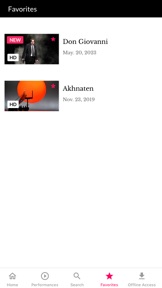
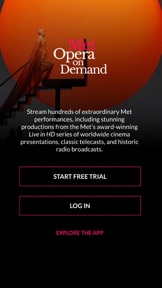
750+ Met performances: Live in HD videos, classic telecasts, & radio broadcasts


Europe-centric footprint across 7 markets.
Based on 2 of 2 apps with localized market data · last scanned .
Americas (1)
- United States2 / 2
Europe (6)
- France1 / 2
- Germany1 / 2
- Italy1 / 2
- Portugal1 / 2
- Spain1 / 2
›+1 more europe market
- Sweden1 / 2
Core markets (2/2 apps)
Rivals
Who does Metropolitan Opera Association compete with?
The rivals identified
Nemeses(1)

Both applications compete for the same classical music audience, vying for listener time and subscription budget within the specialized classical streaming category.
Contenders(7)


Both apps target classical music enthusiasts through subscription-based, on-demand streaming of performance archives. They compete for the same audience segment by offering exclusive access to high-end orchestral and operatic content.


STAGE+ competes for the same classical music and opera audience by offering a broader catalog of labels and higher technical fidelity than the Met Opera on Demand archive.


IDAGIO competes for the same classical music audience by offering a library of 2.5 million tracks compared to the performance-specific archive of Met Opera on Demand.


Both platforms target classical music enthusiasts with subscription-based streaming of performances, creating direct competition for the same audience's time and subscription budget.


Both apps compete for the same classical music and opera audience by offering distinct delivery models: on-demand video archives versus live human-curated radio.


Both platforms provide subscription-based streaming of opera performances, targeting the same niche audience of classical music enthusiasts. They compete directly for the time and subscription spend of users seeking digital access to staged productions.


Both platforms target classical music enthusiasts by providing digital access to opera performances from world-renowned houses.
Same space(14)


Symphony.live offers a direct video-streaming alternative for classical music and opera performances on mobile devices.


All Classical Radio supplies a free, high-fidelity radio alternative for listeners who prefer curated streams over on-demand video.


Appcompanist offers active practice tools for vocalists who use the Met Opera app for passive study.


Opera serves as a basic radio utility for opera listeners seeking high-quality audio streams from worldwide sources.


NML serves as a metadata-rich alternative for classical music listeners who require deep musicological context.


Classical Radio+ offers a free, curated directory of radio stations for listeners who want a passive, background-audio experience.


nkoda provides professional-grade sheet music access for performers who require high-quality editions alongside their operatic studies.


Opera Theatre of Saint Louis functions as a festival management tool for opera attendees, contrasting with the Met Opera's global streaming focus.


IMSLP acts as a reference repository for musicians who use the Met Opera app to study specific performance scores.


Qobuz serves as a high-resolution audio platform for listeners who prioritize sound quality over the video-centric catalog of the Met Opera app.


Sydney Opera House Stream provides a multi-disciplinary performing arts service that overlaps with the Met Opera's focus on stage productions.


TIDAL provides a high-fidelity audio alternative for users who prefer listening to music rather than watching video performances.


AR Opera experiments with immersive technology to present opera, offering a different consumption method than the Met Opera's standard video streaming.


Opera Music Classical Songs provides a simple radio aggregator for opera enthusiasts who want free, global access to classical music streams.
The Analyst's Read
The bottom line on Metropolitan Opera Association
Bottom line
The Metropolitan Opera Association successfully digitizes its institutional assets to serve both local attendees and a global fan base. Their dual-app strategy effectively separates transactional utility from long-form content consumption.
Frequently asked questions
How many apps does Metropolitan Opera Association publish?
What kind of apps does Metropolitan Opera Association make?
What is Metropolitan Opera Association's top app?
In how many countries are Metropolitan Opera Association's apps available?
What fed this analysis
- Apps analyzed:
- 2
- With full intel:
- 0
- With overview:
- 2
- Website scraped:
- yes
- Social presence:
- yes
