

Morfosis
For visual learners and busy professionals seeking efficient insights from self-development and business literature.
 BookWatch - Visual Learning

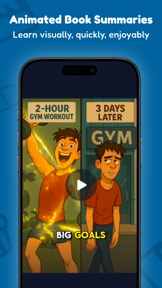
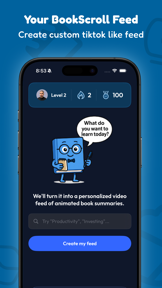


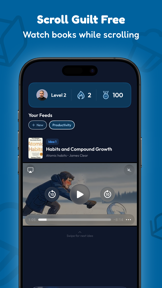

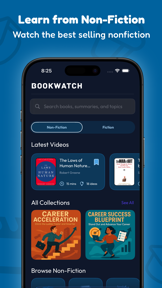
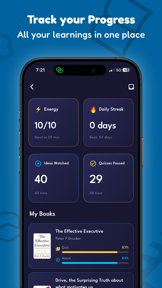
Snapshot
Who is Morfosis?
Providing visual learners with animated video summaries of non-fiction books to improve retention and insight consumption.
Target audience


Portfolio
Free 2Last updated

BookWatch - Visual Learning
v4.22
8mo ago
Publisher DNA
What defines Morfosis?
Publisher DNA
Primary focus
Visual book summaries for non-fiction
Scale
indie
Target audience
Visual learners and busy professionals seeking efficient insights from self-development and business literature.
Signature Patterns
- •Focus on high-retention animated whiteboard video content
- •Monetization via a subscription-based model
- •Niche targeting of the self-improvement and 'BookTok' social demographics
- •Single-app portfolio strategy focusing on content depth
Portfolio momentum
Actively maintaining its flagship title with a major update released within the last 40 days.
Portfolio
What does Morfosis ship?
Apps
2 apps analysed

Distributed across 10 markets, strongest in Europe.
Based on 1 of 2 apps with localized market data, more coverage rolling in as scans complete · last scanned .
Americas (3)
- Brazil1 / 1
- Mexico1 / 1
- United States1 / 1
Europe (5)
- France1 / 1
- Germany1 / 1
- Italy1 / 1
- Portugal1 / 1
- Spain1 / 1
Asia-Pacific (2)
- Japan1 / 1
- South Korea1 / 1
Core markets (1/1 apps)
Rivals
Who does Morfosis compete with?
The rivals identified
Nemeses(2)

Both apps compete for the daily scripture engagement habit, forcing users to choose between the cinematic video format of BibleWatch and the text-and-audio-focused study tools of the rival.


Both apps compete for the same visual learner demographic by converting books into video summaries, creating direct overlap in their subscription-based monetization models.
Contenders(10)

known for Bible Verses - Daily devotion
Both apps target the daily spiritual habit segment, competing for user attention through different content formats: cinematic video versus curated text-based verses.


Both apps compete for daily religious habit formation, but they use different mechanisms: BibleWatch uses cinematic content consumption, while Bible Focus uses digital wellness constraints to force engagement.


Both apps target Christians seeking daily devotional habits through visual storytelling, creating direct competition for the same user base.


Both platforms provide video-based educational content to summarize complex concepts, competing for the same time-constrained user base seeking efficient learning.


Both apps target users seeking to digest book content efficiently, though BookWatch focuses on animated video summaries while StoriLuna provides text-based chapter recaps and character guides.


This app targets a regional audience with offline-first utility, contrasting with the cinematic and global focus of BibleWatch.


Both apps compete for daily spiritual habit formation, targeting users who seek structured scripture engagement through distinct formats: cinematic video episodes versus tactile, meditative reading.


Both apps target the daily Bible study market, competing for user attention through distinct engagement mechanisms: cinematic video content versus traditional text-based study tools.


Both apps compete for daily scripture engagement, but BibleWatch uses cinematic video episodes while The One Bible App relies on traditional text-based reading.


Both apps compete for the same daily scripture study audience by offering distinct formats: cinematic animated episodes versus audio-first content.
Same space(22)


SlowRead provides a visual-first approach to book tracking that serves as a companion for users managing their personal libraries.


SoBrief uses AI to provide rapid book summaries, competing for the same time-constrained reader.


BeFreed competes for the same self-improvement audience by building personalized audio learning paths from books and expert talks.


Blinkist is a direct substitute for BookWatch, offering short-form summaries of non-fiction books for busy professionals.


BookFunnel serves the same reading audience by acting as a technical bridge for consuming indie-published content.


This app provides a similar AI-assisted study experience but focuses on specific Catholic theological content rather than general cinematic storytelling.


Fountain competes for the same self-improvement audience by integrating behavioral science into book summaries.


MicroBook targets the same busy professional audience with 15-minute summaries of non-fiction titles.


Shortbread targets the same visual-learning demographic by adapting popular book tropes into cinematic, animated series.


This app targets the same devotional habit as BibleWatch but shifts the primary medium from cinematic video to audio-first playback.


Magibook serves readers looking for adaptive content, providing a different approach to making books accessible.


Shelfy serves the same audience by providing a visual, ritual-based approach to tracking reading progress.


StoryShots provides a similar microlearning experience with a vast library of multimedia book summaries.


Shortform competes directly by offering expert-written summaries and interactive exercises for non-fiction books.


GoodNovel shares the same mobile-first reading audience but focuses on serialized fiction rather than non-fiction summaries.


Wehear provides an alternative audio-first format for serialized fiction that competes for the same passive, eyes-free consumption time.


Audiobooks.com serves the same audience seeking non-fiction insights but provides full-length audio content rather than animated video summaries.


SuperSummary serves the same book-focused audience by providing in-depth literature guides and analysis.


The StoryGraph offers a data-driven alternative for users who want to track reading habits and discover books through machine learning.


Bookmory provides a habit-tracking utility that complements the consumption of book summaries by gamifying reading progress.


Bookly targets the same book-focused user base by providing habit-tracking tools that complement the consumption of book summaries.


Novelaria competes for the same mobile-reading audience with a serialized, coin-gated content model.
New entrants(2)


Bookward provides a personal library and reading tracker that serves as a tool for organizing book consumption.


NovelO serves the same mobile-reading audience with a focus on romance fiction and chapter-based consumption.
The Analyst's Read
The bottom line on Morfosis
Bottom line
Morfosis is a specialized indie publisher successfully carving out a visual-first niche within the competitive book summary category. Their high weighted rating signals strong product-market fit for their specific animated format compared to traditional text-based competitors.
Frequently asked questions
How many apps does Morfosis publish?
What kind of apps does Morfosis make?
What is Morfosis's top app?
In how many countries are Morfosis's apps available?
What fed this analysis
- Apps analyzed:
- 1
- With full intel:
- 0
- With overview:
- 1
- Website scraped:
- yes
- Social presence:
- yes
