


Personal Remedies
For patients and caregivers managing specific chronic illnesses who require evidence-based, personalized dietary guidance to support their treatment plans.
 Food as Medicine


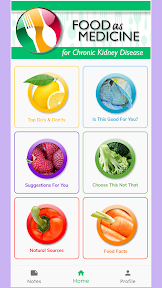


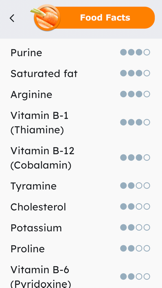


Snapshot
Who is Personal Remedies?
Providing evidence-based, individualized nutritional guidance for patients managing chronic conditions. Helping users navigate complex dietary needs through automated, condition-specific insights.
Target audience


Portfolio
Free 1Last updated

Food as Medicine
v1.1
2.3y ago
Publisher DNA
What defines Personal Remedies?
Publisher DNA
Primary focus
Medical nutrition and chronic condition management
Scale
studio
Target audience
Patients and caregivers managing specific chronic illnesses who require evidence-based, personalized dietary guidance to support their treatment plans.
Signature Patterns
- •High concentration of single-condition medical apps
- •Monetization primarily via paid app model
- •Focus on comorbidity-specific nutritional guidelines
- •Evidence-based, data-heavy content strategy
Portfolio momentum
With zero releases in the last six months and a high volume of abandoned titles, the portfolio is currently in a maintenance or dormant state.
Portfolio
What does Personal Remedies ship?
Apps
24 apps analysed


Personalized comorbidity management logic
- Clinical authority via NIH and USDA integration


Single-market publisher, every app ships only to United States.
Based on 3 of 24 apps with localized market data, more coverage rolling in as scans complete · last scanned .
Americas (1)
- United States3 / 3
Core markets (3/3 apps)
Rivals
Who does Personal Remedies compete with?
The rivals identified
Nemeses(4)


Both apps target users managing health through dietary restrictions, creating direct competition for users seeking food suitability tools.


Both apps target individuals managing endometriosis symptoms, but Endo45 captures users through symptom tracking and habit building while Endometriosis Diet focuses on nutritional databases.


Both apps target individuals managing gout through dietary control, specifically focusing on purine intake and food analysis to prevent inflammation.


Both apps target digestive health management through dietary tracking, forcing users to choose between a clinical-grade paid tool and a high-volume, ad-supported grocery lookup utility.
Contenders(23)


Both apps target users managing chronic health through dietary intervention, with Endometriosis Diet focusing on condition-specific nutrition and GOUPI focusing on broad anti-inflammatory tracking.


Both apps target individuals managing NAFL through dietary guidance, creating direct competition for users seeking actionable nutritional tools.


Both apps target individuals seeking gout management information, competing for the same user base looking for health guidance.

known for EatBelt-Specialized nutrition!
EatBelt targets the same metabolic health audience as Fatty Liver by providing a food-suitability tool for managing chronic conditions like NASH and diabetes.


AUG competes for the same user base by providing a specialized food index for gout management, directly overlapping with the nutritional guidance core of Gout +.


Goutly competes for the same user base by offering a specialized tracking tool for gout symptoms and uric acid levels, overlapping with the nutritional focus of Gout +.


Both apps target the same niche of NAFLD management through nutrition-based lifestyle guidance.


Supports users in managing the unpredictable flare-ups associated with chronic conditions like endometriosis.


Both apps target individuals managing endometriosis, but they address different patient needs: nutritional management versus daily symptom tracking and pattern analysis.


Both apps target the same user base seeking to manage endometriosis. They compete by offering different management tools: nutritional guidance versus symptom and medication tracking.


Both applications target individuals managing endometriosis, forcing users to choose between nutritional intervention and symptom monitoring for clinical management.


Nezhat Endometriosis Advisor competes for the same user base by addressing endometriosis symptom awareness, while Endometriosis Diet targets the subsequent phase of nutritional management.


Both apps target individuals managing endometriosis, but they address different stages of care: nutritional intervention versus daily symptom monitoring.


Both apps target the gout management market, but they prioritize different user needs: Gout + focuses on nutritional guidance for comorbidities, while Gout Tracker focuses on symptom logging and visual analytics.


Both apps target individuals managing gout through dietary choices, but Gout.io provides a visual food scanner while Gout + focuses on broader comorbidity management.


Both apps target users seeking health management through nutrition, with Fatty Liver focusing on NAFL and metabolic conditions while Functional Food addresses general disease-fighting food categories.


Both apps target individuals managing endometriosis symptoms, competing for the same user base seeking relief through digital health tools.


Both apps target the same patient population seeking gout management tools. They compete directly on the utility provided for daily health monitoring and dietary decision-making.


Both apps target individuals managing NAFLD and MASLD, creating direct competition for users seeking immediate dietary guidance and food safety decisions.


Both apps target users seeking health improvements through dietary planning, creating a shared audience for individuals managing metabolic or age-related health goals.


Both apps target gout management at the same 3.99 dollar price point, forcing a choice between Gout + for comorbidity-focused advice and Purin Table for raw nutritional data.


Both apps target users managing NAFL through dietary guidance. Hepatica competes by offering automated AI-driven food scanning and lab result interpretation, which directly overlaps with the manual dietary recommendations provided by Fatty Liver.


This app is a direct competitor focused on liver health tracking and expert-designed guidance.
Same space(37)

known for Anti Inflammatory: Diet Recipe
Provides an offline-accessible library for users who need dietary information without consistent internet connectivity.


Offers broader nutritional tracking for users who want to manage multiple diet types alongside endometriosis.


Provides basic recipe collections for users seeking anti-inflammatory meal inspiration.


Targets users seeking general anti-inflammatory benefits through macro tracking and AI-driven dietary advice.


Combines nutrient logging with an AI assistant to maintain an anti-inflammatory lifestyle for chronic pain patients.

known for Diet: Weight loss Healthy food
This app provides structured dietary guidance that competes with the personalized recommendations offered by the source app.


Provides cycle-based symptom tracking that complements the dietary focus of the source app.


The app focuses on a specific health marker relevant to liver and heart health, acting as a specialized subset of broader lifestyle apps.


This app focuses on coaching and habit transformation, providing a structured program for liver health improvement.


The app provides recipe management and dietary filtering that serves as a functional alternative for users seeking structured meal planning.


The app combines physical activity with dietary planning, offering a holistic approach to metabolic health.


OxiPur serves the same gout-management audience but focuses on scientific literature summaries rather than personalized dietary guidelines.


This app addresses the metabolic comorbidities often associated with fatty liver by providing specific glucose and weight tracking.


No Gout provides a visual feedback loop that serves as a gamified alternative to the text-heavy dietary guidelines of Gout +.


Drugs.com acts as a broader medical reference tool that complements the condition-specific focus of Crohn's Disease + by providing medication safety data.


Gout-Cha! provides a similar logging environment to Gout + but adds verified purine data from clinical sources.


Gout Buddy targets the same chronic-condition demographic by shifting focus from nutrition to AI-powered risk scoring and lifestyle habit tracking.


Mediterranean Diet Assistant targets the same health-conscious user base but uses a visual-first approach to dietary adherence.


Integrates cycle-synced fitness and nutrition to help users manage hormonal symptoms like endometriosis.


This app targets the same chronic condition tracking demographic as Crohn's Disease + but focuses on glucose metrics rather than dietary suitability.


GDm-Health provides a clinical bridge between patients and care teams, offering a more integrated professional monitoring experience than the standalone reference tool Crohn's Disease +.


This app targets a similar audience of users managing chronic conditions through strict nutrient monitoring.


The app provides educational content on nutrition that serves as a reference library for users interested in dietary health.


Serves users with co-occurring IBS symptoms via a laboratory-tested food database.


Gout Diet & Uric Acid Tracker targets the same clinical-utility niche by offering PDF exports for doctor-patient collaboration.


mySugr serves the same chronic condition management market as Crohn's Disease +, but shifts the burden of data entry from manual logging to automated hardware synchronization.


Gout Diet - Acid Uric Table complements Gout + by adding medication-specific adherence tools to the standard dietary tracking workflow.


Provides immediate food analysis for users managing inflammation through camera-based scanning.


This app serves as a clinical screening tool for fatty liver, providing a risk assessment that complements lifestyle management apps.


GoutSnap AI competes for the same user attention by automating the manual logging process through camera-based meal analysis.


The app offers structured meal planning that serves as a broader alternative to the specific nutritional reference tool provided by the source app.


The app uses a gamified scoring system to track liver health, offering a different engagement model than the source app.


Gout Food Scanner serves the same audience by automating the audit of nutrition labels at the point of purchase.


Supports users in managing the unpredictable flare-ups associated with chronic conditions like endometriosis.


Gout Diet: Uric Acid Tracker serves the same audience by focusing on local-only data storage for privacy-sensitive users.


This app is a direct competitor focused on liver health tracking and expert-designed guidance.


Gout Radar targets the same user base by combining dietary tracking with daily risk assessments based on hydration.
New entrants(3)


Gout Guru targets the same chronic-condition audience by focusing on longitudinal health records for doctor consultations.


PurinCare serves the same gout-management audience by integrating sleep and medication tracking into a unified risk-assessment tool.


This app is a direct competitor that emphasizes a privacy-first, low-pressure approach to fatty liver lifestyle management.
The Analyst's Read
The bottom line on Personal Remedies
Bottom line
Personal Remedies has carved out a unique niche in medical nutrition, but their current lack of development velocity suggests a pivot toward their B2B API business rather than consumer app growth. The portfolio serves as a proof-of-concept for their data engine rather than a primary revenue driver.
Frequently asked questions
How many apps does Personal Remedies publish?
What kind of apps does Personal Remedies make?
What is Personal Remedies's top app?
In how many countries are Personal Remedies's apps available?
What fed this analysis
- Apps analyzed:
- 24
- With full intel:
- 0
- With overview:
- 24
- Website scraped:
- yes
- Social presence:
- yes
