


嵩 张
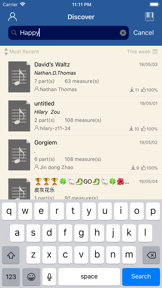
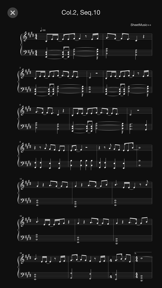
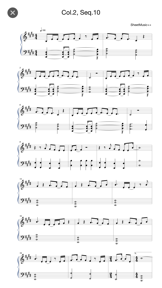
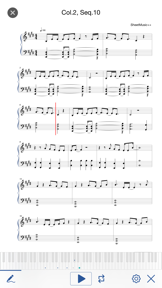
 Notation Pad-Sheet Music Score


















Snapshot


Publisher DNA
What defines 嵩 张?
AI intelligence is not yet available for 嵩 张. The portfolio data below is up to date.
Portfolio
What does 嵩 张 ship?
Apps
11 apps analysed

Analysis in progress

Analysis in progress

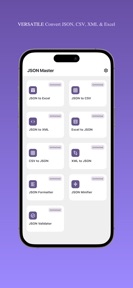
Optimized memory management for large JSON files prevents session-breaking crashes
- Clean interface design makes reading complex nested JSON structures significantly easier on smaller mobile screens

Analysis in progress

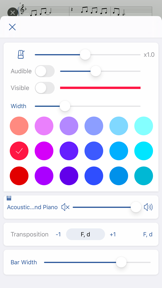
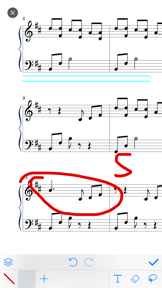
Multi-track editing provides the depth required for complex composition.
- Hobbyist composers appreciate the accessible interface for writing music while on the go
- Users report deceptive monetization practices where features are gated behind five-star review requirements
Distributed across 20 markets, strongest in Europe.
Based on 5 of 11 apps with localized market data, more coverage rolling in as scans complete · last scanned .
Americas (4)
- Brazil5 / 5
- Mexico5 / 5
- United States5 / 5
- Canada3 / 5
Europe (9)
- France5 / 5
- Germany5 / 5
- Portugal5 / 5
- Spain5 / 5
- Italy4 / 5
›+4 more europe markets
- Netherlands4 / 5
- Sweden4 / 5
- Turkey3 / 5
- United Kingdom3 / 5
Asia-Pacific (7)
- Japan5 / 5
- South Korea5 / 5
- Australia3 / 5
- India3 / 5
- Indonesia3 / 5
›+2 more asia-pacific markets
- Singapore3 / 5
- Vietnam3 / 5
Core markets (5/5 apps)
User Sentiment
How do users feel about their apps?
2
Positive apps
2
Neutral / mixed
0
Negative apps
68/100
Avg sentiment score
Unlock the app dragging this portfolio down.
Access the full report for freeRivals
Who does 嵩 张 compete with?
The rivals identified
Nemeses(1)


Both applications target composers and music students requiring sheet music notation, but Flat captures the market through cross-platform synchronization and collaborative features that Notation Pad Pro lacks.
Contenders(9)


Both applications target musicians requiring mobile score composition tools, creating a direct overlap in the mobile-first music notation category.


A voice to midi app competing with Notation Pad Pro.


Both apps target composers and students needing mobile-first sheet music composition, but Music Writer offers a free entry point compared to the $149.00 cost of Notation Pad Pro.


Both applications target mobile composers needing score editing capabilities on iOS devices, creating direct competition for users seeking portable notation tools.


Both apps target composers requiring mobile-first sheet music notation, with the rival providing a free entry point that directly challenges the $149.00 price of Notation Pad Pro.


Both apps target composers and musicians needing digital score solutions, creating direct competition for users seeking mobile-first composition and management tools.


Both apps target composers needing sheet music notation and file compatibility, with the rival undercutting the $149.00 price point through a $2.99 local-first alternative.


Both apps target mobile music composition, but Score Creator captures the entry-level market with a free model and text-keyboard input, while Notation Pad Pro targets professionals with desktop-compatible MusicXML exports.


Both apps target composers and students needing mobile notation, but the rival's web-sharing feature directly challenges the source app's static file-based workflow.
Same space(15)


Enote serves the same audience of musicians who need to organize and read sheet music on mobile devices.


Maestro provides a similar mobile-first notation interface, directly competing for the same student and songwriter audience.


GPMuse offers a similar mobile-first notation workspace, competing for the same user base of composers and songwriters.


Aria serves the same audience of musicians needing mobile-friendly score editing, specifically targeting users of MuseScore files.


enScore targets the same professional user base, focusing on hardware-integrated performance tools that differentiate it from the source app.


musicLine targets the same mobile-first composition audience, providing a sequencer tool for users with varying levels of musical experience.


Touch Notation competes for the same composer audience, offering a gesture-based alternative to traditional notation software.


MuseScore serves the same audience of composers and students but captures them through a massive, free-to-access library that creates a content-based barrier to entry.


Musicnotes acts as a direct alternative for sheet music access and annotation, competing for the same user base of students and professional musicians.


Piascore serves the same mobile-first musician demographic, focusing on the core problem of managing and reading large collections of sheet music.


Sheet Music Direct targets the same professional musician segment, offering an authorized library that competes with the utility of the source app.


digitalScore targets the same professional and conservatory user base, focusing on library management tools that overlap with the source app's utility.


Tomplay serves the same musician audience by providing an interactive practice environment that complements the core notation needs of the user.


来音制谱 offers a similar mobile-first composition workflow, targeting the same audience of music lovers and professionals.


Piano Notes targets the same mobile composition niche, though its current functional state limits its competitive impact.
New entrants(2)


Sheet Music Catalogue serves the same audience of musicians who need to manage their existing libraries of sheet music.


Notely competes for the same composer audience, providing a mobile-first tool for writing and editing orchestral arrangements.
