
Regroupement des parents et amis des enfants sourds et malentendants franco-ontariens (RESO)
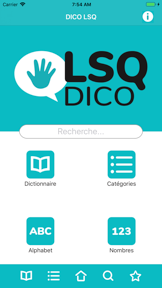
 DICO LSQ
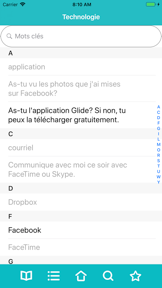
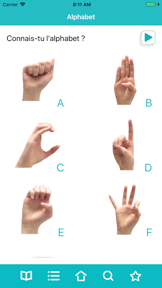


Snapshot


Publisher DNA
What defines Regroupement des parents et amis des enfants sourds et malentendants franco-ontariens (RESO)?
AI intelligence is not yet available for Regroupement des parents et amis des enfants sourds et malentendants franco-ontariens (RESO). The portfolio data below is up to date.
Portfolio
What does Regroupement des parents et amis des enfants sourds et malentendants franco-ontariens (RESO) ship?
Apps
1 app analysed
- Specialized LSQ content creates a defensible niche barrier
Single-market publisher, every app ships only to United States.
Based on 1 of 1 app with localized market data · last scanned .
Americas (1)
- United States1 / 1
Core markets (1/1 apps)
Rivals
Who does Regroupement des parents et amis des enfants sourds et malentendants franco-ontariens (RESO) compete with?
The rivals identified
Nemeses(1)

Both apps target sign language learners with video-based content, creating direct competition for users seeking accessible sign language reference tools.
Contenders(9)


Both apps function as video-based sign language dictionaries, competing for users seeking visual reference tools for sign language vocabulary.


Both apps target users seeking sign language education, though they focus on different regional sign languages. The overlap in user intent for sign language acquisition makes them direct competitors for the same demographic.


Both apps target sign language learners and educators with video-based reference databases, creating direct competition for users seeking vocabulary support.


Both apps target users seeking sign language proficiency, creating direct competition for time and attention despite the difference in specific sign language dialects.


Both apps target the sign language learning market, competing for users seeking video-based vocabulary and communication practice. While they focus on different sign languages, they overlap in the utility of providing structured video-based learning for beginners.


ASL Otty competes for the same sign language learning audience by offering a free, gamified alternative that covers American Sign Language, which overlaps with the general interest in sign language acquisition.


Both apps target families and beginners seeking sign language vocabulary, creating direct competition for users searching for accessible, video-based reference tools.


Both apps target individuals seeking to acquire sign language skills, though they focus on different regional languages: Quebec Sign Language for the target and British Sign Language for the rival.


Both apps compete for users seeking specialized video-based sign language reference tools, targeting students and educators within the sign language learning market.
Same space(7)


AÉPQ serves the professional development needs of the same Quebec preschool educators who might use DICO LSQ for classroom resources.


KOMM targets the same early childhood education sector as DICO LSQ, using visual communication tools to support language development in non-native speakers.


Lingvano serves the same language-learning demographic but utilizes a subscription model and camera-based gesture recognition to differentiate its curriculum.


La Fonge provides a specialized regional reference tool for Quebec fungi, mirroring the offline-first utility and taxonomic structure found in DICO LSQ.


Planitou offers a management suite for the same childcare and education providers that DICO LSQ targets for language reference.


LSQ functions as a school-parent communication portal, targeting the same educational stakeholders as DICO LSQ but focusing on administrative data rather than language reference.


Quebec Wildflowers shares a regional focus on Quebec-specific content, providing a reference database for nature identification instead of sign language.
