


Robi Axiata
 My Robi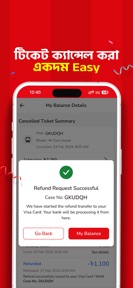















Snapshot


Publisher DNA
What defines Robi Axiata?
AI intelligence is not yet available for Robi Axiata. The portfolio data below is up to date.
Portfolio
What does Robi Axiata ship?
Apps
7 apps analysed

Analysis in progress

Analysis in progress

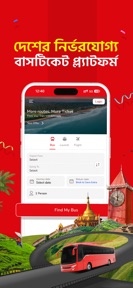
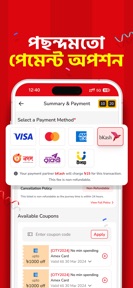
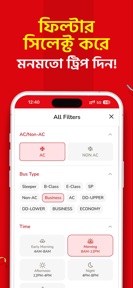
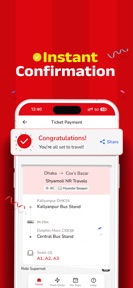
Visual seat selection reduces cart abandonment
- Centralized booking flow drives transaction volume

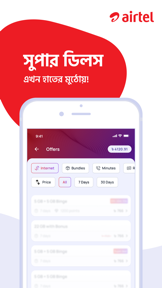
Personalized pack-building (My Pack) increases average revenue per user
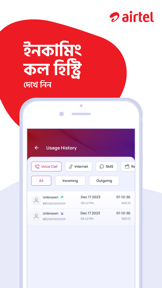
- The streamlined recharge and pack purchase process makes daily mobile management feel effortless for users
- Background media playback pauses automatically when opening the app, interrupting the user experience
Analysis in progress
Single-market publisher, every app ships only to United States.
Based on 3 of 7 apps with localized market data, more coverage rolling in as scans complete · last scanned .
Americas (1)
- United States3 / 3
Core markets (3/3 apps)
User Sentiment
How do users feel about their apps?
1
Positive apps
0
Neutral / mixed
0
Negative apps
85/100
Avg sentiment score
Rivals
Who does Robi Axiata compete with?
The rivals identified
Nemeses(2)

Both apps serve as the primary digital interface for Airtel subscribers to manage accounts, recharge, and access value-added services. They compete for user time and financial transactions within the telecom account management category.


Both apps provide digital bus ticket booking, seat selection, and secure payment processing, targeting travelers seeking convenient transit management.
Contenders(10)


Both apps facilitate online bus ticket booking, creating direct competition for travelers within Bangladesh who may choose between a local specialist and a regional multi-modal platform.


Both apps function as the primary account management interface for Airtel subscribers, sharing core utility functions like mobile recharge and bill payment.


Both apps provide digital bus ticket booking and management, targeting travelers seeking to avoid physical queues and paper tickets.


Both applications target public transport commuters with mobile ticketing and route planning, creating direct overlap in transit utility functionality.


Both applications target Airtel subscribers for account management, creating direct competition for user attention and service control.


Both applications provide mobile account management, including usage tracking and plan top-ups, targeting the same utility-focused telecom subscriber base.


Both applications function as primary self-service portals for telecom subscribers to manage accounts and resolve service issues.


Both apps provide digital booking interfaces for intercity bus travel, targeting users who require real-time seat availability and secure payment processing for transit.


Both apps function as centralized management portals for telecom services, competing for user time by shifting account management and support tasks from manual channels to self-service interfaces.


Both apps function as self-service portals for telecom or internet account management, targeting users who need to track usage and manage service renewals.
Same space(5)


This app focuses on sightseeing rather than transit, serving tourists who require real-time bus tracking for city exploration.


This platform aggregates local tours and transport for independent travelers, serving as a secondary tool for planning activities after reaching a destination.


This app provides municipal transit utility for Edinburgh, serving commuters who need live arrival tracking for public transport.


This app provides multi-modal booking across 45 countries for travelers requiring broader transit options than domestic bus routes.


This app serves the international remittance segment of the mobile recharge market, whereas My Airtel focuses on domestic subscriber management and local service bundles.